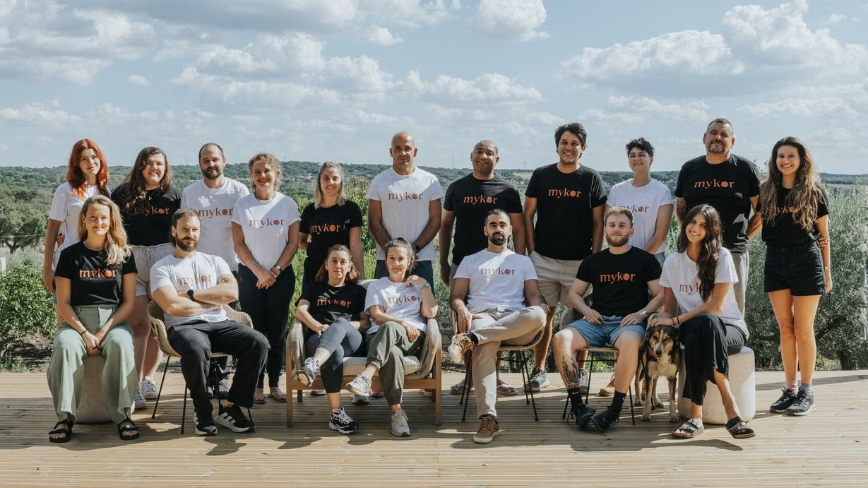
Mykor Raises €4.6 Million for Sustainable Insulation
Mykor, a climate-tech firm with operations in Bristol and Lisbon, has announced the completion of a €4.6 million funding round. This significant investment is earmarked to support the expansion of MykoFoam, an innovative insulation panel made from mycelium. The technology developed by Mykor is notable for its ability to offer carbon-negative building solutions using bio-derived materials.
The funding, which is approximately four times the size of the company's previous round, underscores growing investor confidence in bio-building solutions and the circular economy. Mykor positions itself at the forefront of the sustainable construction sector, proposing a tangible alternative to traditional insulation materials, which often carry a high environmental impact.
Mycelium Innovation for Construction
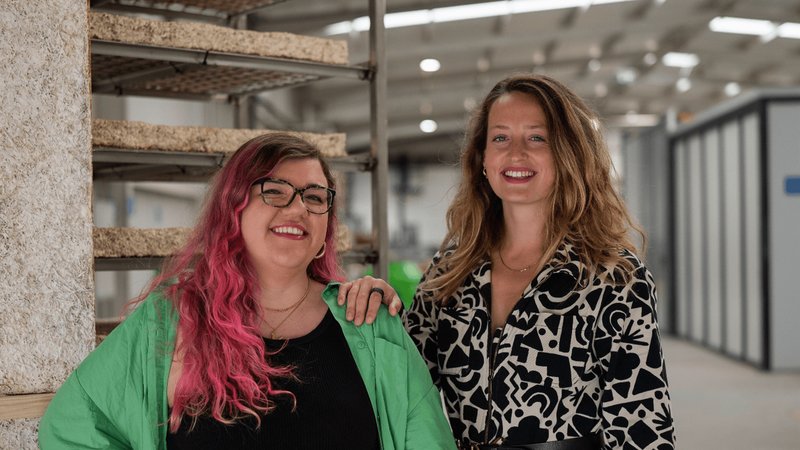
At the core of Mykor's offering is MykoFoam, an insulation panel that leverages the natural properties of mycelium, the vegetative part of fungi. This material is cultivated from industrial and agricultural residues, transforming waste into valuable resources. The production process of MykoFoam is inherently carbon-negative, meaning the material not only avoids contributing to carbon emissions but actively absorbs them from the atmosphere during its growth.
Mykor's pilot plant, located in Portugal, is central to this innovation, where the panels are developed and tested. The use of mycelium as a building material represents a step forward for greener construction, offering insulating performance comparable to conventional materials, but with a drastically reduced ecological footprint. This technology is a prime example of how biotechnology can provide concrete answers to global environmental challenges.
Market Context and Climate-Tech Investments
The climate-tech sector is experiencing a period of strong growth, driven by the necessity to address climate change and the demand for more sustainable solutions across all sectors, including construction. Investments in companies like Mykor reflect a broader trend towards adopting technologies that promise to reduce the environmental impact of human activities. Mykor's ability to transform industrial waste into value-added products adds another layer of appeal for investors focused on both sustainability and market potential.
The scalability of these solutions is crucial. Funding of this magnitude allows Mykor not only to refine its technology but also to significantly increase production capacity, making MykoFoam panels accessible on a large scale. This is a fundamental step for any innovation aiming to make a significant impact on the market and the environment.
Future Prospects for Sustainable Construction
Mykor's success in raising capital highlights the increasing interest in bio-building solutions and the circular economy. Mykor's goal to scale the production of carbon-negative insulation panels could have a transformative impact on the construction sector, traditionally one of the largest contributors to global emissions. The transition towards more sustainable materials and low-impact production processes is a priority for companies and governments worldwide.
As the company prepares to expand its operations, the challenge will be to maintain efficiency and quality at scale, while ensuring that environmental benefits remain central to its mission. Mykor represents a promising example of how sustainability-driven innovation can attract investment and contribute to building a greener future.







💬 Comments (0)
🔒 Log in or register to comment on articles.
No comments yet. Be the first to comment!