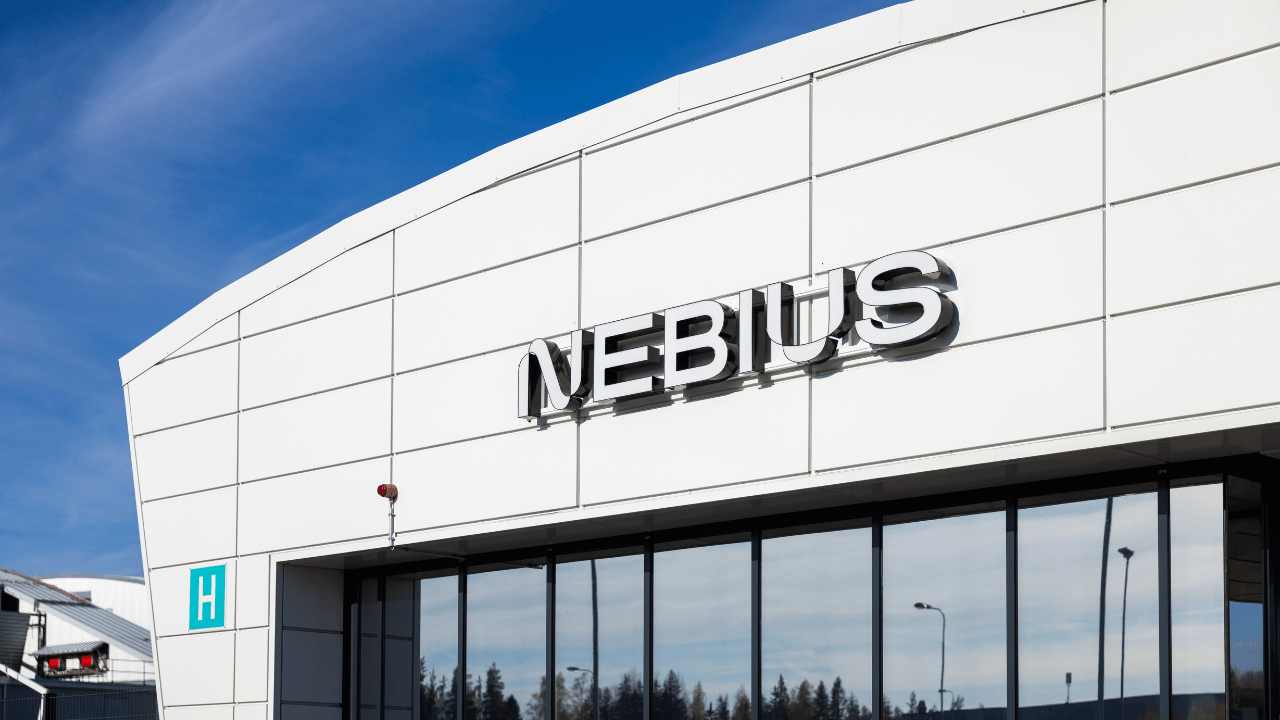
Nebius Strengthens European AI Infrastructure with New Mega Data Center in Finland
Nebius, a European company specializing in artificial intelligence infrastructure, has announced the start of construction for one of the continent's largest data centers. Located in Lappeenranta, Finland, the facility is designed to support the escalating demand for AI compute power, which shows no signs of slowing down. This strategic investment underscores the importance of robust, dedicated infrastructure for the development and deployment of Large Language Models (LLM) and other complex AI applications.
The new data center, boasting a maximum capacity of 310 megawatts, is expected to be operational by 2027. Its primary purpose will be the training of advanced AI models and the running of large-scale AI applications, positioning it as one of Europe's largest facilities entirely dedicated to these intensive workloads. Finland was chosen strategically due to its competitive energy prices and naturally cool climate, factors that significantly reduce cooling costs—a crucial aspect for the operational efficiency of high-density GPU data centers.
Technical Details and Nebius's Business Model
Nebius's strategy is built on constructing and operating data centers packed with high-density GPUs, then offering access to this compute power to AI companies and large enterprises. Beyond the physical infrastructure, the Amsterdam-based company also provides specialized software for running and optimizing AI applications. This "neocloud" model addresses the need for many organizations to access AI compute resources without incurring the burdens of building and maintaining their own infrastructure.
The Lappeenranta expansion follows a recent capacity increase at Nebius's first data center in Mäntsälä, also in Finland. The company has expressed intentions to continue expanding its presence in Finland, in addition to planning further growth of its data center offerings across Europe and the United States. This geographical expansion strategy aims to meet a global demand for AI infrastructure that requires not only power but also strategic localization for reasons of latency, data sovereignty, and TCO.
Market Implications and Decision-Makers
Nebius's investment highlights a clear trend in the industry: the need for dedicated and scalable AI infrastructure. The company has already secured multi-billion dollar contracts with tech giants like Meta and Microsoft to supply them with AI infrastructure and power. These agreements underscore market confidence in Nebius's model and the increasing reliance on specialized providers to manage the ever-more demanding computational requirements of artificial intelligence.
For CTOs, DevOps leads, and infrastructure architects evaluating deployment options for AI/LLM workloads, Nebius's approach offers an interesting perspective. It represents a solution positioned between fully self-hosted deployment and the use of traditional cloud services, providing a level of control and resource dedication that can be crucial for data sovereignty, compliance, and TCO optimization. The recent closing of a $4.34 billion debt funding round confirms Nebius's financial strength and its ability to support such ambitious expansion plans.
Future Outlook in the AI Landscape
Nebius's expansion in Lappeenranta represents a significant step in building robust global AI infrastructure. The ability to provide dedicated and optimized environments for LLM training and inference is fundamental for innovation in sectors ranging from scientific research to enterprise automation. The focus on energy costs and cooling, combined with the ability to attract investment and contracts with leading players, positions Nebius as a key player in the AI infrastructure landscape.
While the debate between cloud and on-premise solutions continues, companies like Nebius demonstrate the validity of hybrid models or "specialized clouds" that offer the benefits of scalability and external management while maintaining a high degree of control over physical resources. This approach is particularly relevant for organizations that need to manage large volumes of sensitive data or operate in air-gapped environments, where infrastructure flexibility and security are absolute priorities.








💬 Comments (0)
🔒 Log in or register to comment on articles.
No comments yet. Be the first to comment!