Science at a Crossroads: Between Ethics, Biology, and New Social Dynamics
The landscape of scientific research continues to expand, touching upon areas ranging from behavioral biology to the social implications of new technologies, and even planetary geology. A recent compilation of studies highlights how innovation and discovery are redefining not only our understanding of the natural world but also the ethical and regulatory challenges society must confront.
From the complex succession dynamics in animal colonies to the thorny questions raised by posthumous assisted reproduction, and the emerging risks from predictive markets, science compels us to reflect on unprecedented scenarios and their potential consequences. This article explores four of these frontiers, emphasizing the diversity and depth of contemporary research.
Power Dynamics in the Animal Kingdom: The Peaceful Succession of Naked Mole Rats
Naked mole rats, a species of rodent known for its eusocial structure similar to that of bees and ants, are often involved in violent struggles for the succession of the breeding queen. However, a recent study published in Science Advances documented a rare and significant event: a peaceful transition of power from a queen to her daughter in a captive colony.
Scientists, co-led by Shanes Abeywardena and Alexandria M. Schraibman of the Salk Institute for Biological Studies, observed this multi-year succession in the Amigos colony in San Diego. After a period of reproductive decline for Queen Teré and the subsequent death of her daughter Alexandria, another daughter, Arwen, ascended to the throne without any signs of aggression or conflict. This discovery suggests that, under certain conditions, a peaceful trajectory to succession is possible, especially when the costs of conflict are too high or aggression-based enforcement of dominance becomes insufficient.
Predictive Markets: An Emerging Threat to Public Health and Democracy
Predictive markets (PMs), platforms where users bet on the outcome of future events, are experiencing an explosion in popularity. However, an analysis published in Science by Nizan Geslevich Packin and Sharon Rabinovitz warns that their "addictive design, vulnerable users, and permissive regulatory environments" represent a well-established formula for "population-level harm."
These markets, operated by companies like Kalshi or Polymarket, pose "underappreciated threats to democratic integrity" and are linked to "addictive behaviors." The researchers highlight risks such as insider trading on classified government information and the exposure of millions of users to addiction and significant financial losses. The authors propose a public health approach, likening the situation to tobacco control, and emphasize the urgency of precautionary action before the window for intervention closes.
Posthumous Reproduction: New Lives Beyond Death and Ethical Complexities
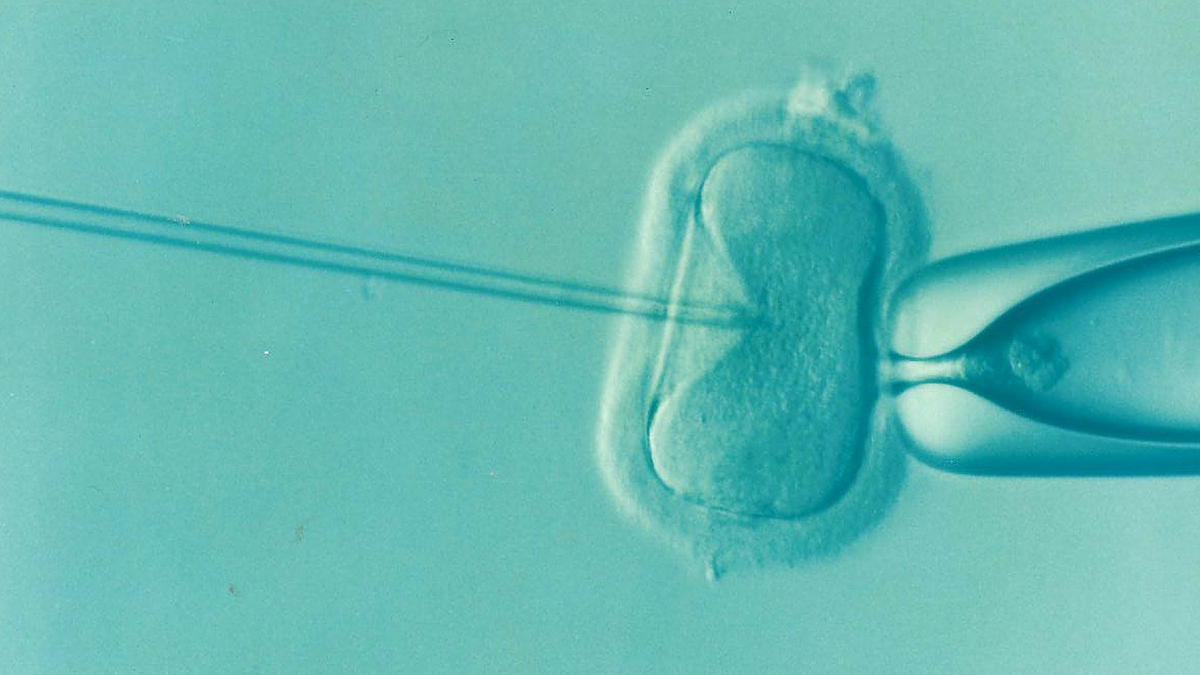
The possibility of conceiving children after the death of one or both parents, once confined to myths and fiction, is becoming an increasingly concrete reality thanks to advancements in reproductive technologies. The use of frozen sperm, eggs, or embryos allows the deceased to "remain active participants influencing the lives of the living," as highlighted by Sandra Bamford of the University of Toronto in a new anthropological study published in the Cambridge Archaeological Journal.
This practice raises a series of complex legal, ethical, and practical questions. These include the ambiguity in judging the consent of a deceased person for the use of their gametes, the inheritance rights of posthumously conceived children, and the potential emotional and psychological toll on these children and their family members. The study explores various cases, from the Nuer "ghost marriage" practices in Sudan to modern legal disputes concerning the disposition of frozen gametes, underscoring how society is still striving to define the boundaries of this new frontier of life.
Tracing the Ancient Oceans of Mars
We conclude with a look at the distant past of another world. The surface of Mars preserves the traces of ancient rivers, lakes, and perhaps a vast ocean that may have covered much of its northern hemisphere between three and four billion years ago. While the approximate shorelines of this potential ocean have already been mapped, a new study published in Nature by Abdallah S. Zaki and Michael P. Lamb of Caltech University offers a sharper perspective.
The team identified topographic signs of a possible coastal shelf, suggesting that these features might be more reliable indicators of a past ocean than shorelines alone, based on similar observations on Earth. The results support "the presence of an ancient ocean on the northern plains of Mars that was bounded by a coastal shelf." Although this ocean dried up long ago, its topographic remnants remind us of a time when Mars was a warm, wet planet, potentially teeming with life.







💬 Comments (0)
🔒 Log in or register to comment on articles.
No comments yet. Be the first to comment!