
Nvidia and the Computex Stage
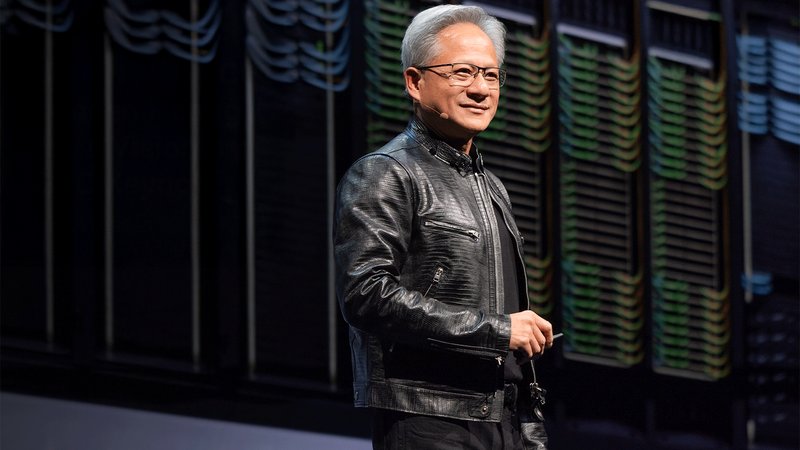
Computex, one of the most important global tech fairs, once again served as a stage for significant announcements and a display of strength from key industry players. Among these, Nvidia successfully captured attention, consolidating its image as an undisputed leader in dedicated artificial intelligence hardware. The event offered a clear overview of how Nvidia's technologies are now intrinsically linked to the evolution and deployment of Large Language Models (LLMs) and other AI applications.
Nvidia's pervasive presence at Computex was not merely a marketing exercise but a reflection of its strategic position within the AI ecosystem. Its GPUs have become the fundamental "silicon" powering both the intensive training phase and the inference stage for the most complex models. This positioning is crucial for companies seeking to build and manage their AI infrastructures, whether in the cloud or on-premise.
The Critical Role of Silicon for On-Premise AI
Nvidia's hardware, particularly its GPUs, represents an essential component for organizations aiming to implement AI solutions in self-hosted environments. The memory capacity (VRAM), computing power, and energy efficiency of graphics cards are decisive factors for the successful deployment of large-scale LLMs. For instance, large models require significant amounts of VRAM to be loaded and to perform inference with acceptable latencies and high throughput.
The choice of an on-premise infrastructure, often driven by needs for data sovereignty, regulatory compliance, or long-term cost control (TCO), makes hardware selection even more critical. Companies must carefully evaluate not only the initial cost (CapEx) of GPUs but also the operational expenses related to power, cooling, and maintenance. The availability of robust and high-performing hardware solutions is therefore a prerequisite for anyone wishing to keep their AI workloads within their corporate perimeter.
Challenges and Considerations for Self-Hosted Deployments
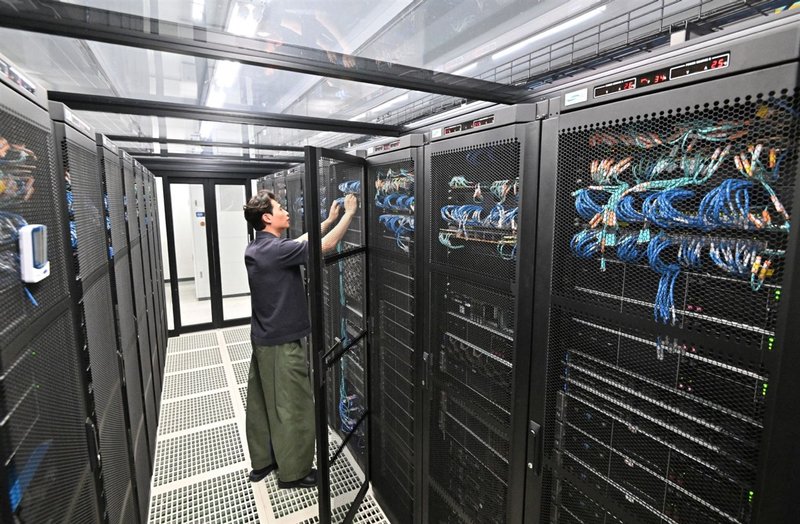
Deploying LLMs on-premise, while offering advantages in terms of control and security, also presents significant challenges. The need to manage a complex infrastructure, which includes not only GPUs but also servers, storage, and high-speed networking, requires specialized technical expertise. Interconnection between GPUs, such as NVLink, becomes fundamental for scaling performance and allowing models to fully leverage available resources.
In this context, the choice between different hardware configurations and software optimization (for example, through quantization techniques or the use of specific inference frameworks) are key decisions. AI-RADAR specifically focuses on these dynamics, offering analytical frameworks on /llm-onpremise to help companies evaluate the trade-offs between various deployment options, considering aspects such as TCO, data sovereignty, and specific performance requirements.
Future Perspectives in the AI Hardware Landscape
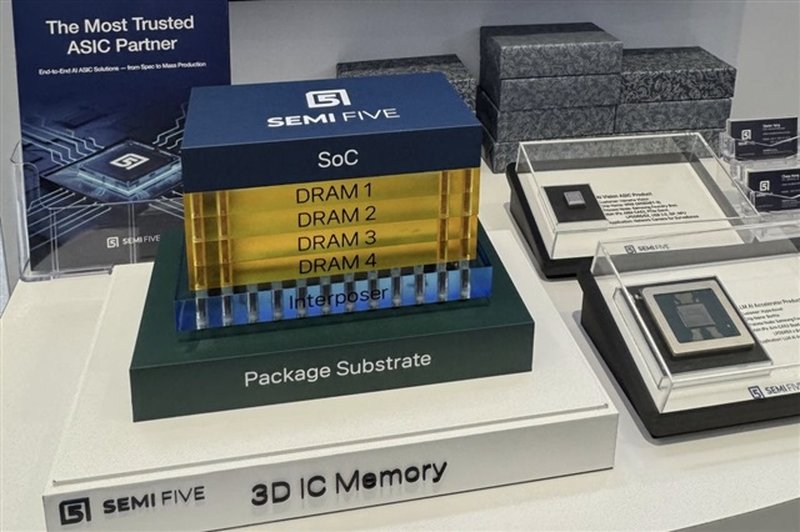
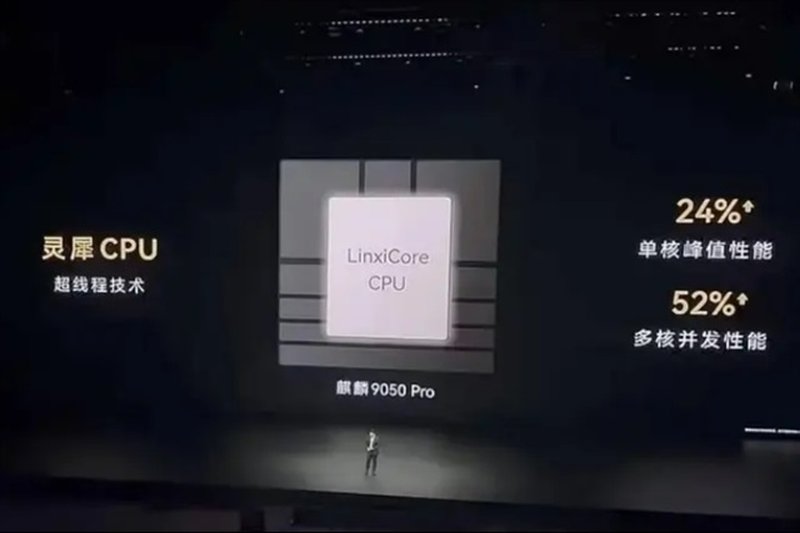
Nvidia's position at Computex, while dominant, does not preclude the emergence of new solutions and competitors in the long term. The AI hardware market is rapidly evolving, with significant investments in alternative architectures and custom chips. However, for now, Nvidia's GPUs remain the de facto standard for many AI workloads, especially those requiring high computing capabilities and VRAM.
Companies planning their AI strategy must stay updated on these dynamics, balancing the need for immediate performance with future flexibility and scalability. The ability to choose the right hardware for an on-premise or hybrid deployment, one that meets specific latency, throughput, and security requirements, will be a determining factor for success in adopting artificial intelligence.





💬 Comments (0)
🔒 Log in or register to comment on articles.
No comments yet. Be the first to comment!