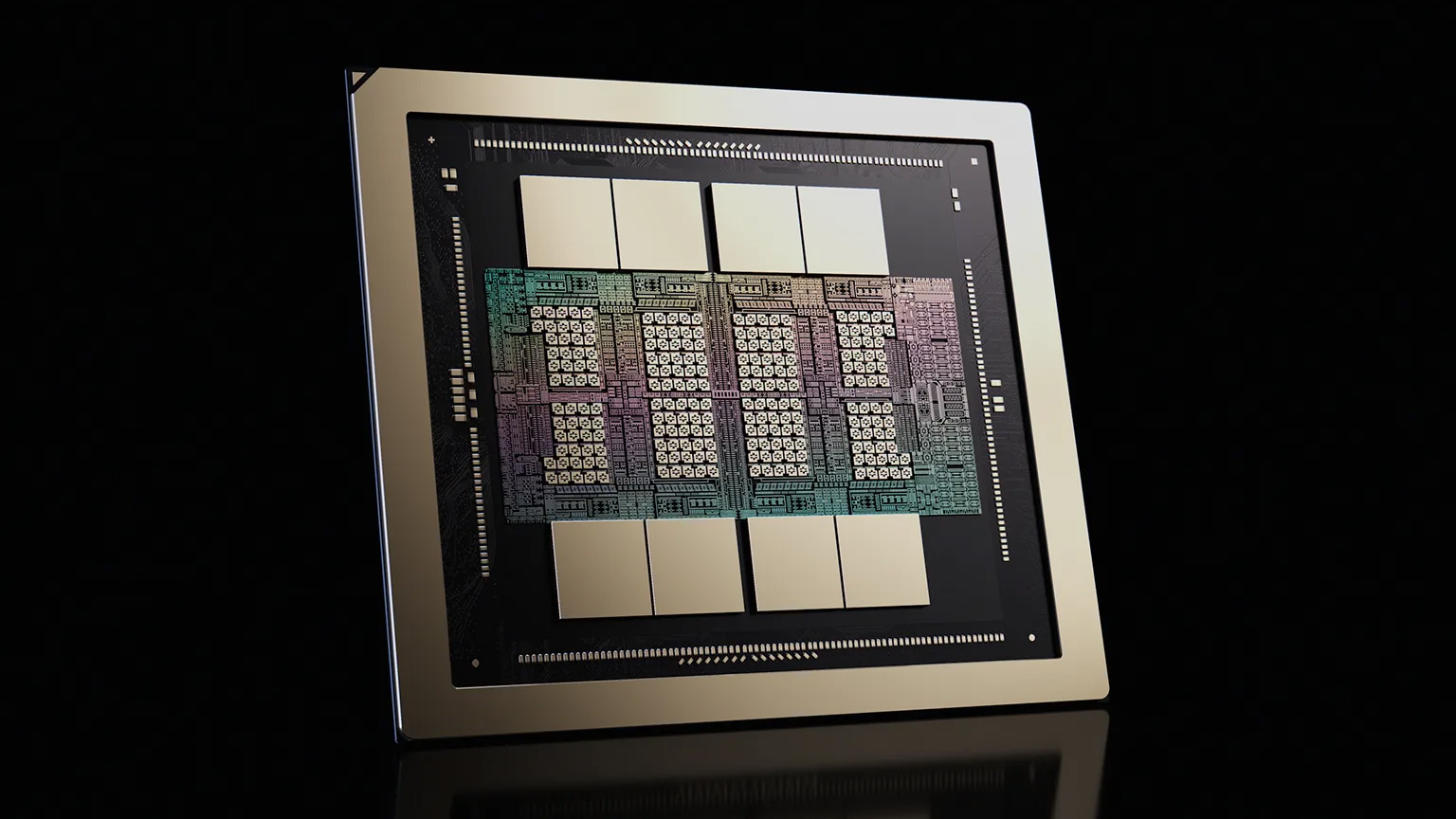
The first production units of NVIDIA's Rubin GPU platforms are leaving the lines, and the company has already updated some specifications. The detail may seem minor, but the timing matters: when hardware enters production and datasheets change, the entire supply chain has to realign its plans.
Revising specifications as shipments begin indicates that the silicon has been characterized under real operating conditions and that final values for clock speeds, power draw, mechanical dimensions, or memory configuration have been set after initial volume testing. For teams designing servers, compute nodes, and entire clusters for LLM workloads, this marks the end of preliminary specifications.
The effects cascade. OEMs must revise bills of materials, board layouts, cooling systems, and power supplies. Cloud infrastructure providers and teams evaluating on-premise deployments must recalculate TCO, rack density, and thermal constraints. Even a seemingly small change in power dissipation or physical footprint can invalidate a data center project already underway, forcing revisions to piping, electrical capacity, and space planning.
Structurally, the timing reflects competitive pressure in the accelerator market. Updating specifications at the last mile shows that the race to deliver new GPU generations is won not just on announcements but on the ability to industrialize quickly. Anyone who reserved production capacity or already ordered Rubin-based systems must now check whether the final configurations match initial assumptions, with possible effects on delivery timelines and costs.
For teams evaluating on-premise deployments, known trade-offs exist: newer GPU platforms promise higher inference throughput and larger context windows, but they also require upgrades to power, cooling, and networking. A specification revision at this stage forces a review of CapEx and OpEx estimates before budgets are committed, especially in environments where offloading the problem to a cloud provider is not an option.
Production has begun. The updated specifications are the first signal that the supply chain must realign. The open question is not whether Rubin will arrive, but how far operational reality will be from the numbers on which many have based their decisions.






💬 Comments (0)
🔒 Log in or register to comment on articles.
No comments yet. Be the first to comment!