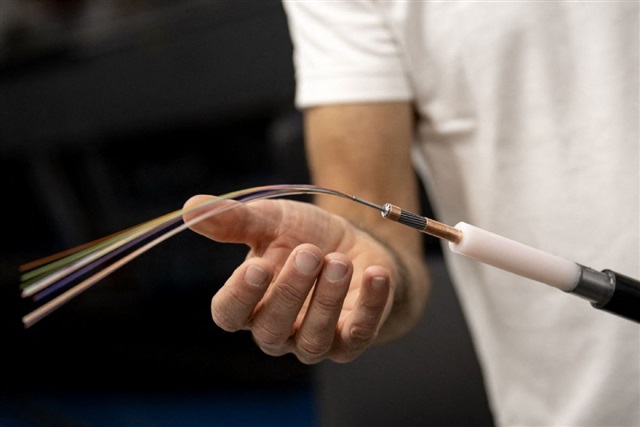
La Transizione Strategica di Nvidia verso la Fibra Ottica
Nvidia, attore chiave nel panorama dell'intelligenza artificiale, sta intensificando la sua collaborazione con Corning, leader globale nelle soluzioni per la fibra ottica. Questa partnership strategica segna un'accelerazione nella transizione dalle tradizionali interconnessioni in rame a quelle basate su fibra ottica per le infrastrutture dedicate all'AI. La mossa riflette la crescente domanda di larghezza di banda e bassa latenza necessarie per alimentare i carichi di lavoro più esigenti, come il training e l'inference di Large Language Models (LLM).
L'evoluzione delle capacità computazionali e la complessità crescente dei modelli di intelligenza artificiale hanno spinto l'industria a riconsiderare le fondamenta delle proprie infrastrutture di rete. La scelta di Nvidia di approfondire questa direzione con Corning sottolinea una chiara visione verso soluzioni di connettività più performanti e scalabili, essenziali per il futuro dell'AI.
Il Dettaglio Tecnico della Transizione
La scelta di privilegiare la fibra ottica rispetto al rame non è casuale, ma dettata da precise esigenze tecniche. Le infrastrutture AI moderne, specialmente quelle che supportano cluster di GPU per il training distribuito o l'inference su larga scala, richiedono una capacità di trasmissione dati elevatissima e una latenza minima. Il rame, pur essendo una soluzione consolidata, incontra limiti fisici in termini di distanza e throughput, oltre a essere più suscettibile alle interferenze elettromagnetiche.
La fibra ottica, al contrario, offre una larghezza di banda significativamente superiore, permette collegamenti su distanze maggiori senza degrado del segnale e garantisce una maggiore immunità alle interferenze. Questo è fondamentale per garantire che i dati tra le diverse unità di calcolo (GPU) viaggino alla velocità e con l'affidabilità necessarie per ottimizzare le performance dei modelli AI. Per i deployment on-premise, ciò si traduce nella necessità di progettare reti interne capaci di sostenere questi requisiti stringenti, garantendo che i colli di bottiglia non compromettano l'efficienza complessiva del sistema.
Implicazioni per i Deployment On-Premise e il Mercato
Per CTO, responsabili DevOps e architetti di infrastrutture che valutano soluzioni self-hosted per i carichi di lavoro AI, la transizione alla fibra ottica rappresenta un fattore critico. La capacità di gestire enormi volumi di dati con latenza ridotta è essenziale per massimizzare l'efficienza delle GPU e ridurre i tempi di training o di risposta dell'inference. Sebbene l'investimento iniziale in infrastrutture in fibra possa essere superiore rispetto al rame, i benefici in termini di performance, scalabilità e TCO a lungo termine possono giustificare la scelta, specialmente in contesti dove la sovranità dei dati e gli ambienti air-gapped sono prioritari.
La partnership tra Nvidia e Corning evidenzia anche l'importanza strategica di queste tecnicie a livello globale, con un impatto notevole sui fornitori di componenti ottici. La menzione di un impulso per il settore ottico cinese suggerisce un riconoscimento del ruolo che la regione gioca nella catena di approvvigionamento e nell'innovazione in questo campo, sottolineando la natura interconnessa del mercato tecnicico globale.
Prospettive Future e Trade-off
L'evoluzione delle infrastrutture di rete è intrinsecamente legata ai progressi nell'intelligenza artificiale. Man mano che i Large Language Models diventano più complessi e i dataset più voluminosi, la pressione sulle reti di interconnessione aumenterà ulteriormente. La fibra ottica offre una roadmap chiara per affrontare queste sfide, ma il suo deployment richiede un'attenta pianificazione e competenza tecnica.
Le organizzazioni devono bilanciare i costi di implementazione e manutenzione con i benefici in termini di performance e resilienza. AI-RADAR si concentra proprio sull'analisi di questi trade-off, fornendo strumenti e approfondimenti per supportare le decisioni strategiche relative ai deployment on-premise e ibridi, dove la scelta della tecnicia di interconnessione gioca un ruolo fondamentale nel determinare l'efficienza e la scalabilità delle soluzioni AI.






💬 Commenti (0)
🔒 Accedi o registrati per commentare gli articoli.
Nessun commento ancora. Sii il primo a commentare!