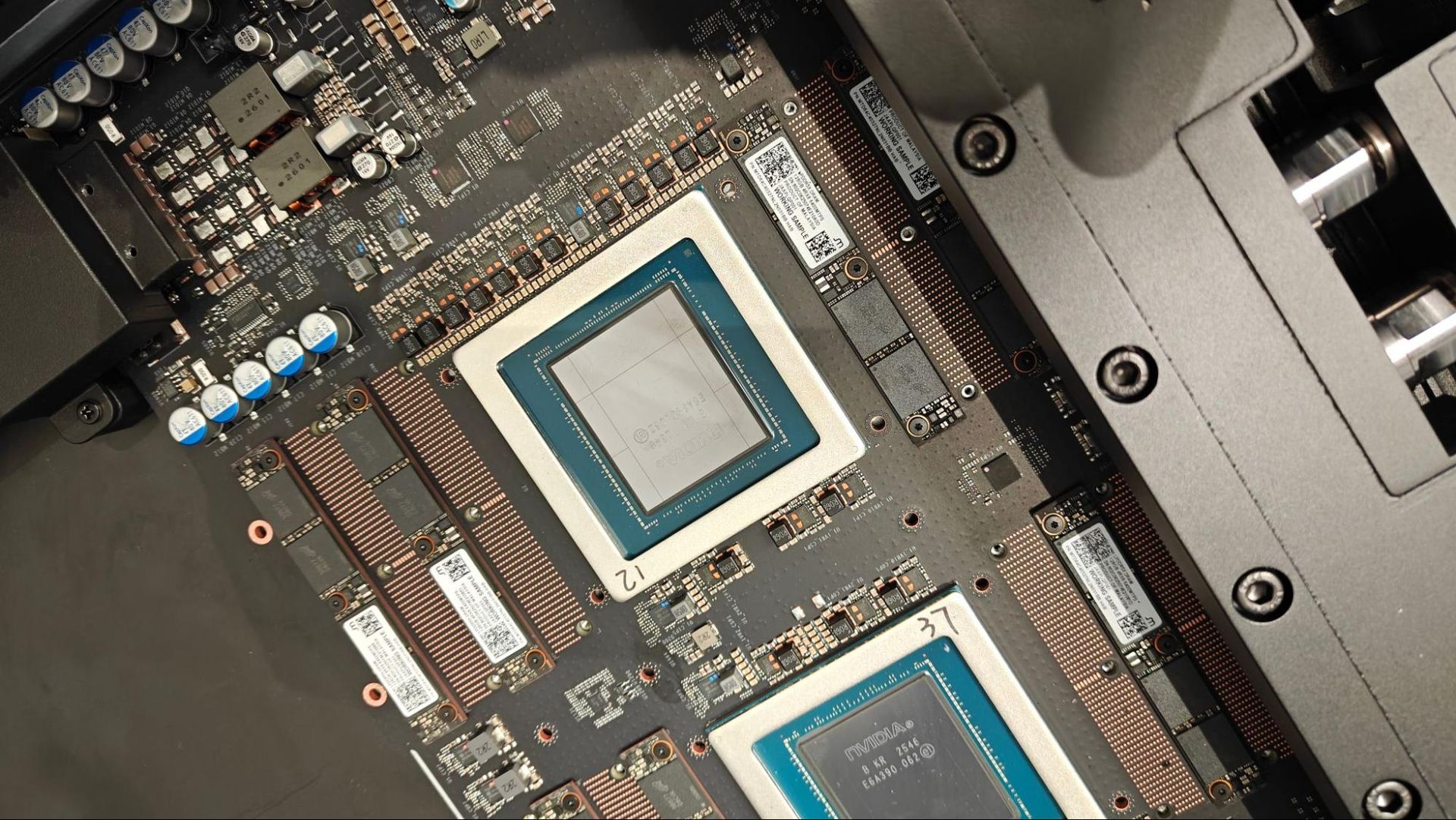
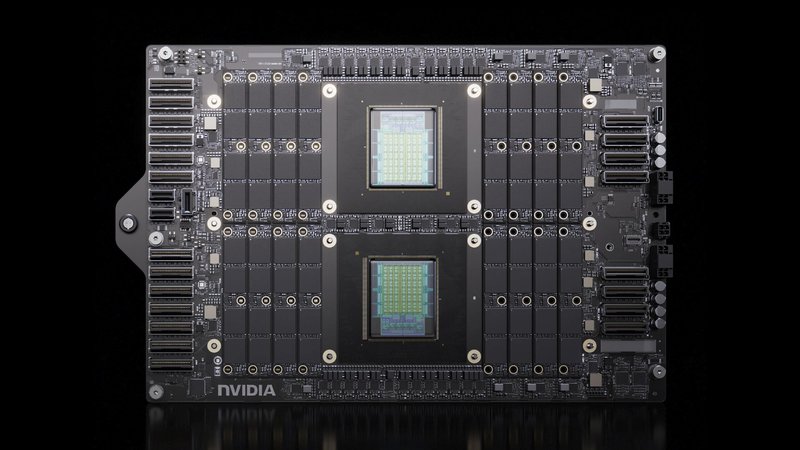
Not every bottleneck is in the silicon. At SC26, Nvidia said its Vera CPU can gain up to 39 percent in performance by improving software, without replacing hardware. It is a notable claim because it shifts attention from core design to stack maturity. The custom Olympus cores need architectural fine-tuning to be fully exploited: the capability is there, but software has to release it.
The announcement works as both a promise and a warning. The promise is that a newly introduced system can improve over time even when physical specifications stay the same. The warning is that the real value of a platform does not match the processor's nominal figure: it depends on compilers, schedulers, workload profiling and component tuning. In self-hosted deployments, where hardware is treated as a multi-year investment, a 39 percent margin available through software changes the Total Cost of Ownership calculation.
A less visible second-order effect is that if the performance jump arrives after silicon release, the vendor has an incentive to control the software roadmap and tie improvements to its own toolchain. For teams operating on-premise or in air-gapped environments, optimization is not a neutral step: it depends on access to specific frameworks, drivers and updates. Those evaluating adoption need to weigh pipeline flexibility against the chance to unlock extra performance without moving hardware. AI-RADAR's /llm-onpremise analysis addresses that trade-off for local deployments.
The Vera case also points to a structural direction. Software headroom becomes an explicit competitive lever, similar to how quantization and efficient serving made models more practical for local resources. Progress used to come mainly from more transistors and more bandwidth; it now also comes from extracting useful cycles from hardware that has already shipped. That shift favors vendors with an integrated ecosystem and penalizes those building systems without control over the full stack, because value concentrates first in tuning rather than hardware replacement.
The 39 percent will not necessarily appear in every workload. Nvidia presents it as a software-based result, not a universal guarantee. But the direction is clear: for Vera and its Olympus cores, the architecture is not the end point; it is the base on which a young stack can keep growing. The next test is how much of that margin is accessible to organizations running their own machines outside the cloud, and how much remains tied to the vendor's ecosystem.





💬 Comments (0)
🔒 Log in or register to comment on articles.
No comments yet. Be the first to comment!