The Competitive Landscape of LLM Inference
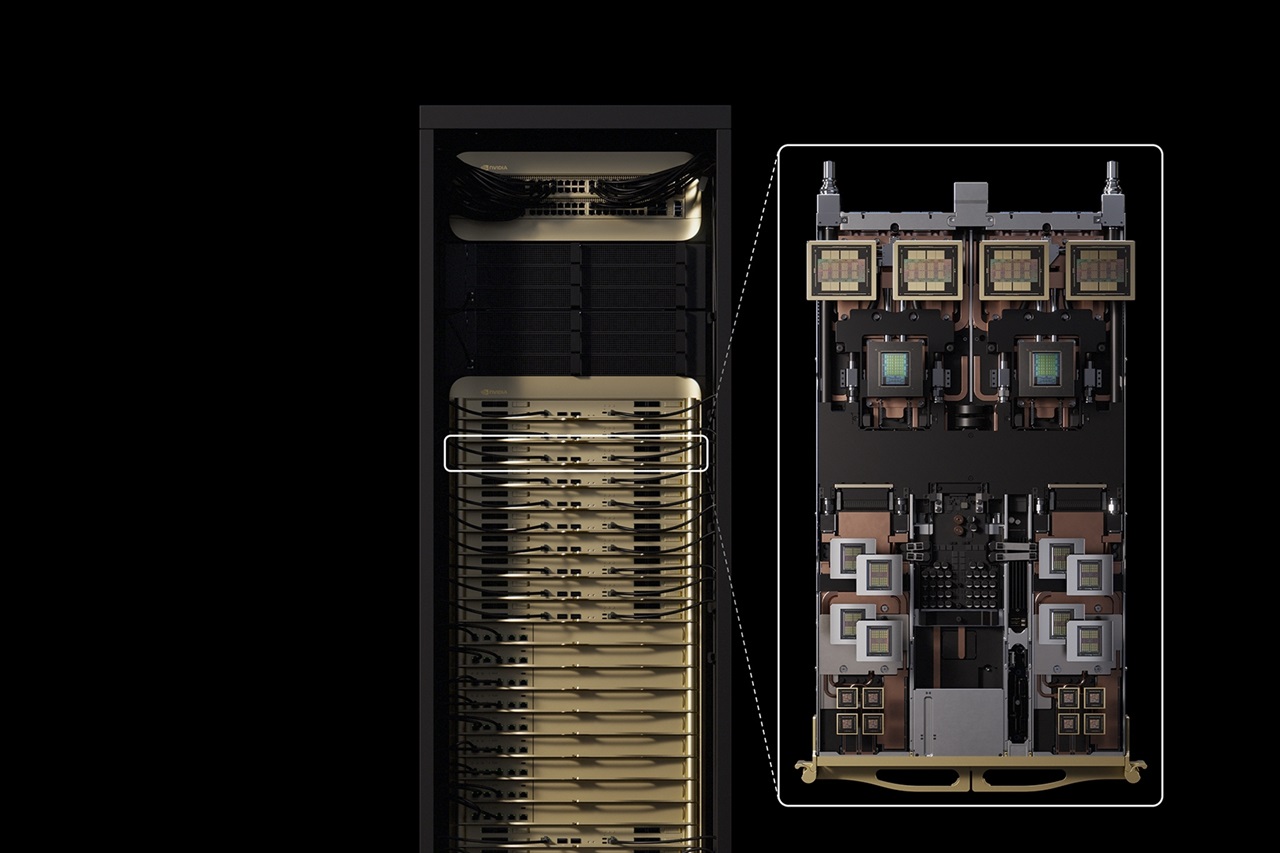
The generative artificial intelligence sector, particularly that related to Large Language Models (LLMs), is in constant flux. Nvidia, long the undisputed leader in AI hardware acceleration, faces an increasingly dynamic market. Recent indications suggest that plans for its Rubin CPX architecture might be "clouded" by a growing presence of emerging players.
Among these, Groq is consolidating its position, taking on an increasingly significant role in LLM inference. This shift in balance highlights how innovation is no longer limited to industry giants but extends to new architectures and approaches optimized for specific phases of the LLM lifecycle, such as inference.
Technical Challenges of On-Premise Inference
Inference, the process of running a trained model to generate output, presents distinct technical requirements compared to training. For companies opting for a self-hosted deployment, priorities include low latency, high throughput, and efficient VRAM management. These factors are crucial for ensuring rapid and scalable responses, especially in contexts where data sovereignty and regulatory compliance are imperative.
Specialized hardware architectures, such as those proposed by Groq, aim to optimize these metrics, offering alternatives to general-purpose GPUs. The choice between different hardware solutions involves a careful evaluation of trade-offs between initial costs (CapEx), operational costs (OpEx), and the specific needs of the workload. The ability to handle large models with precision and speed is a decisive factor for adoption in enterprise environments.
Implications for Deployment and TCO
The increasing competition in the hardware market for inference has direct repercussions on companies' deployment strategies. For CTOs, DevOps leads, and infrastructure architects, the ability to choose from a wider range of hardware solutions means being able to optimize the Total Cost of Ownership (TCO) of their AI workloads. A valid alternative to cloud-based solutions can reduce dependence on external providers and improve data control.
The emergence of new players stimulates innovation, leading to more energy-efficient and performance-per-watt solutions. This is particularly relevant for on-premise deployments, where infrastructure management and energy costs are significant expenses. Evaluating these options requires an in-depth analysis of hardware specifications, integration capabilities with existing stacks, and compatibility with popular LLM frameworks.
Future Prospects and Strategic Decisions
The LLM inference market is destined to remain a technological battleground. The evolution of hardware architectures and the intensification of competition between established giants and innovative startups offer companies unprecedented opportunities to optimize their AI infrastructures. The ability to adapt to this dynamic scenario, choosing the most suitable solutions for their performance, cost, and data sovereignty constraints, will be a key success factor.
For those evaluating on-premise deployments, specific analytical frameworks, such as those discussed on AI-RADAR's /llm-onpremise, can support informed decisions on the trade-offs between different options. The choice is never straightforward but depends on the specific needs of each organization, from the requirement for air-gapped environments to managing intensive workloads with stringent latency requirements.









💬 Comments (0)
🔒 Log in or register to comment on articles.
No comments yet. Be the first to comment!