
Nvidia and Korean Giants: Robotics Expansion Between Hardware and On-Premise
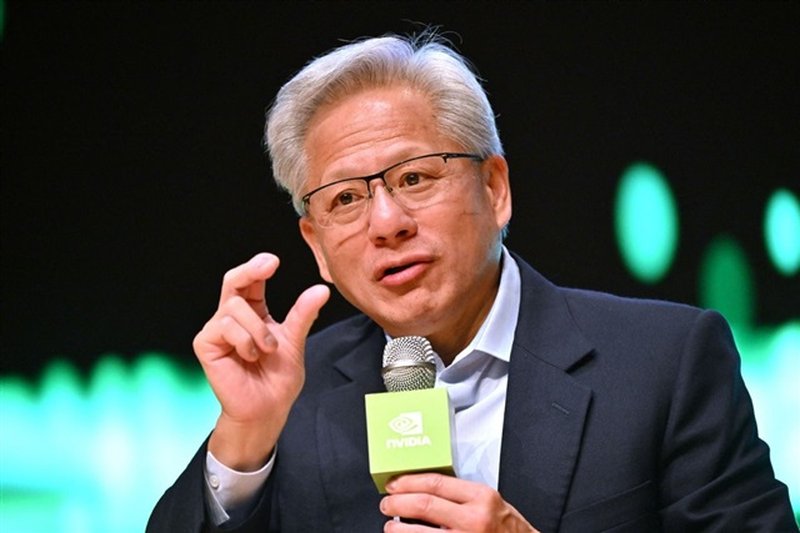
Jensen Huang, CEO of Nvidia, is strengthening ties with major Korean companies, an initiative that is part of the silicon giant's broader strategy to expand into the robotics sector. This move not only underscores Korea's growing importance as a technology hub but also highlights the centrality of AI hardware and dedicated processing solutions in enabling the next generation of autonomous robotic systems.
Nvidia's commitment in this area reflects a market trend where the fusion of artificial intelligence and physical systems demands increasingly sophisticated infrastructures. For companies operating in technology-intensive sectors like robotics, the choice of deployment platforms becomes a critical factor, directly influencing performance, security, and operational costs.
The Crucial Role of AI Hardware in Robotics
Modern robotic systems, especially those integrating advanced functionalities based on Large Language Models (LLM) or other complex neural networks, require significant AI processing capabilities. Real-time inference is often a non-negotiable requirement for applications such as autonomous navigation, object manipulation, or human-robot interaction. This drives the need for robust hardware solutions capable of ensuring low latency and high throughput.
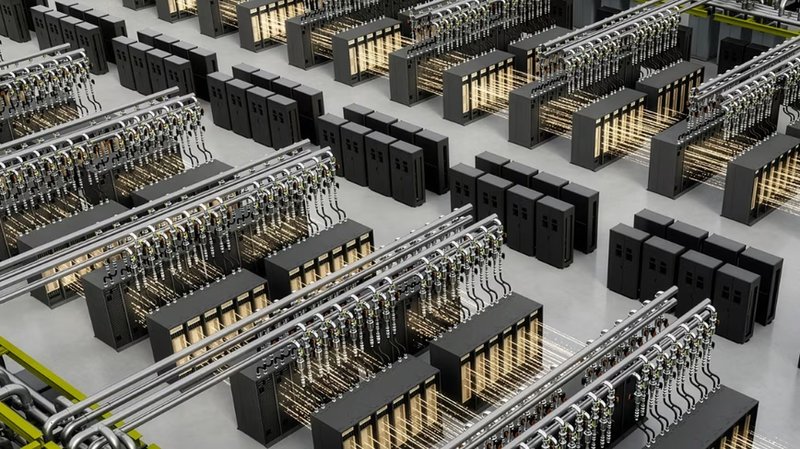
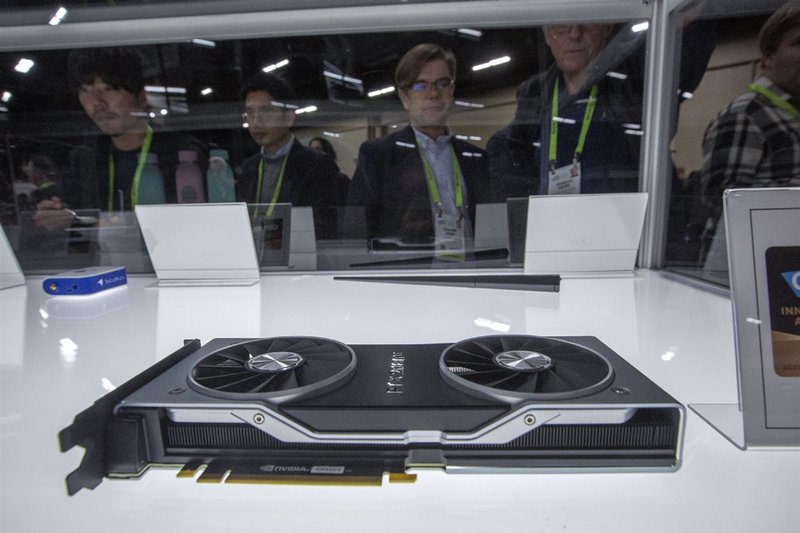
GPUs, with their parallel architecture, have become the cornerstone of these capabilities. The amount of available VRAM, memory bandwidth, and computational power are fundamental parameters for determining the efficiency with which an AI model can be executed. In robotic contexts, where space and power consumption are often limited, choosing hardware optimized for edge computing or on-premise deployment becomes essential to balance performance and operational constraints.
On-Premise Deployment, Data Sovereignty, and TCO
The expansion into the robotics sector also highlights the importance of on-premise or edge deployment strategies. Many robotic applications generate and process sensitive data in specific operational environments, making data sovereignty and regulatory compliance absolute priorities. Local processing, disconnected from public cloud infrastructures (or in air-gapped environments), offers greater control over information security and privacy.
Furthermore, the evaluation of the Total Cost of Ownership (TCO) plays a key role. While the initial investment in dedicated hardware for an on-premise deployment might be higher, long-term operational costs, including those for data transfer and compute resource utilization, can prove more advantageous compared to cloud subscription models, especially for intensive and predictable AI workloads. For those evaluating on-premise deployment, AI-RADAR offers analytical frameworks on /llm-onpremise to assess these trade-offs.
Future Prospects and Strategic Trade-offs
Nvidia's engagement with "Korean giants" in the field of robotics is a clear signal of the direction the AI industry is taking: an ever-increasing integration into intelligent physical systems. This evolution will require not only advancements in hardware and AI models but also a deep reflection on deployment architectures.
Decisions regarding where and how to run AI workloads – whether in the cloud, on-premise, at the edge, or a hybrid approach – will have significant implications for latency, security, scalability, and TCO. CTOs and infrastructure architects will need to continue navigating a complex landscape of constraints and opportunities, balancing performance needs with those of control and cost. The ability to choose the right infrastructure will be crucial for success in the era of intelligent robotics.







💬 Comments (0)
🔒 Log in or register to comment on articles.
No comments yet. Be the first to comment!