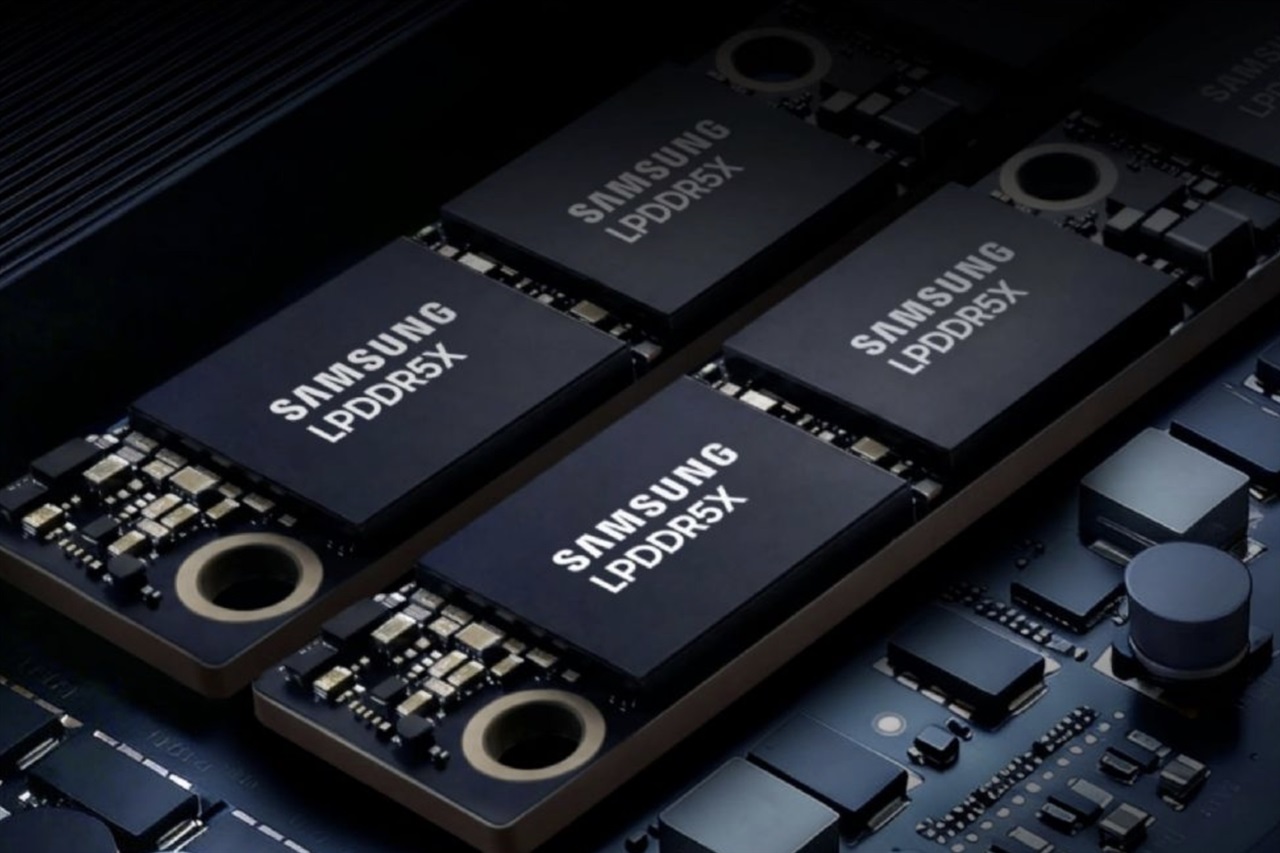
Nvidia's Vera CPU and the Choice of LPDDR Memory
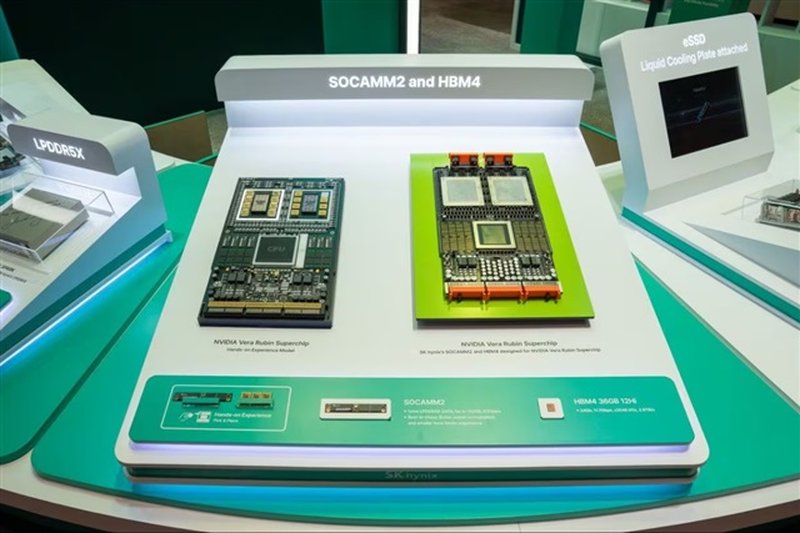
The hardware landscape for artificial intelligence is constantly evolving, with key players exploring new architectures to optimize performance and energy efficiency. In this context, attention is turning to Nvidia's Vera CPU, a new processor that, according to initial indications, is adopting LPDDR (Low Power Double Data Rate) memory for AI servers. This choice represents a turning point, as LPDDR is historically associated with mobile devices, where energy efficiency and compact size are priorities.
The integration of LPDDR into an AI server environment suggests a strategy aimed at balancing high performance with low power consumption. However, this decision is already having a significant impact on the global supply chain. The growing demand from the AI sector, in addition to the established demand from consumer devices, is putting pressure on the availability of LPDDR modules, with direct consequences for manufacturers and hardware buyers.
LPDDR in the Context of AI Workloads
LPDDR memory offers distinct advantages in terms of bandwidth and power consumption compared to other types of DRAM, such as standard DDR5 used in most servers. While HBM (High Bandwidth Memory) remains the leading solution for high-end GPUs, LPDDR can be an interesting alternative for specific AI workloads, particularly those that benefit from high power efficiency or operate in environments with thermal or space constraints. Its architecture allows for tighter integration with the processor's silicon, reducing latencies and improving overall throughput.
For teams developing AI solutions, memory selection is crucial. LPDDR, while not reaching the bandwidth peaks of HBM, can offer an optimal compromise for inference of medium-sized Large Language Models (LLM) or for edge AI applications, where TCO and energy efficiency are determining factors. However, reliance on a supply chain historically oriented towards mobile introduces new risk and cost variables that decision-makers must carefully consider.
Implications for On-Premise Deployment and TCO
The increasing demand for LPDDR from AI servers, driven by solutions like Nvidia's Vera CPU, has a direct impact on teams planning on-premise deployments. Strain on the supply chain can result in longer lead times, higher prices, and less flexibility in hardware component selection. For companies aiming to maintain data sovereignty and full control over their AI infrastructure, the availability and cost of memory become critical factors in evaluating the Total Cost of Ownership (TCO).
The volatility of the component market, exacerbated by these new dynamics, requires more robust strategic planning. Infrastructure architects and CTOs must carefully evaluate the trade-offs between different memory architectures, considering not only theoretical performance but also actual market availability and long-term cost projections. For those evaluating on-premise deployments, AI-RADAR offers analytical frameworks on /llm-onpremise to support the assessment of these complex trade-offs and optimize investment decisions.
Future Outlook and Strategic Considerations
The adoption of LPDDR in AI servers by players like Nvidia marks an interesting evolution in AI hardware design. This trend highlights the pursuit of increasingly efficient and performant solutions, but at the same time raises questions about the sustainability of supply chains and the industry's ability to adapt quickly to new and unexpected demands. Diversification of sources and innovation in manufacturing processes will be essential to mitigate future risks.
For AI decision-makers, it is crucial to closely monitor these dynamics. Hardware selection is no longer just a matter of technical specifications, but also of supply chain resilience and risk management. Understanding how innovations in silicon and memory impact availability and TCO is vital for building robust, scalable, and data-sovereign AI infrastructures, whether in self-hosted or hybrid environments.







💬 Comments (0)
🔒 Log in or register to comment on articles.
No comments yet. Be the first to comment!