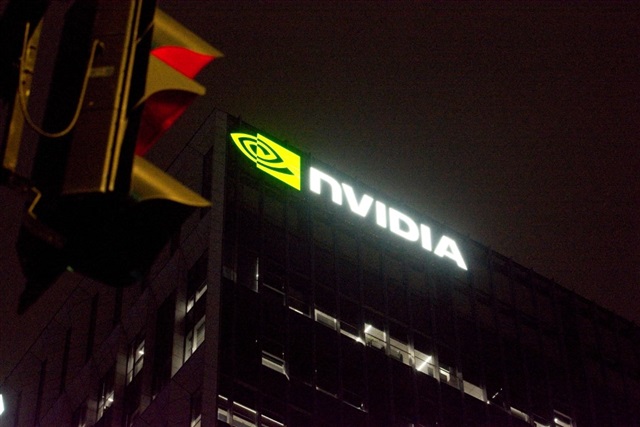
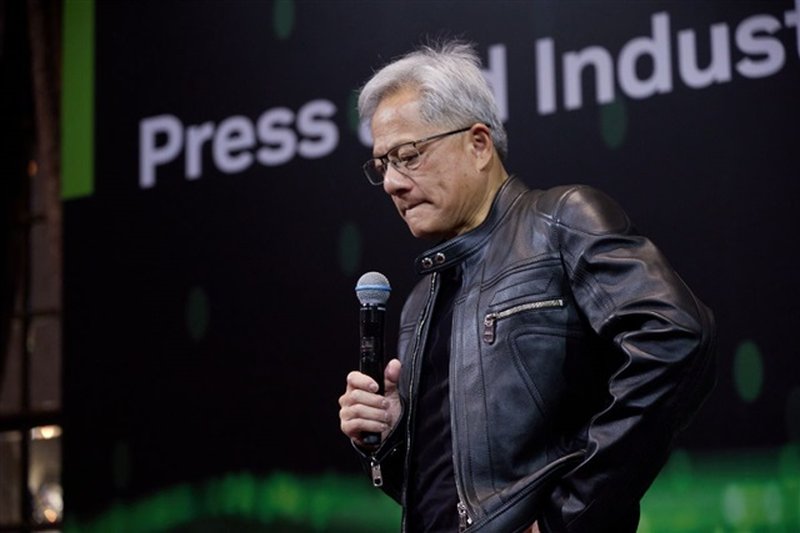
The landscape of artificial intelligence is intrinsically linked to the availability of specialized hardware, and Nvidia's GPUs have long been at the heart of this ecosystem. However, the analysis indicating the persistent fragility of Nvidia's GPU "lifeline" to China, despite Jensen Huang's leadership, raises crucial questions not only for the Asian market but for the entire global AI deployment strategy.
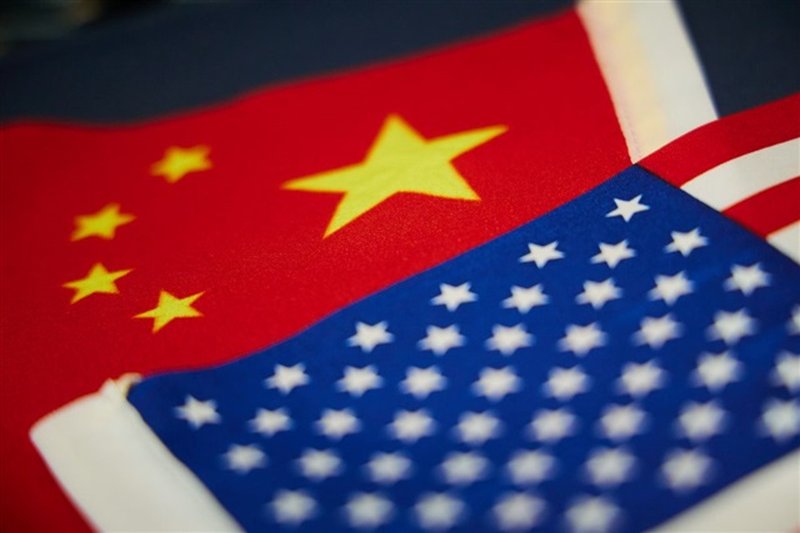
This situation is not merely a commercial issue but a reflection of geopolitical tensions that translate into concrete limitations on the supply chain of essential components. For companies operating with Large Language Models (LLM) and intensive AI workloads, the availability and guaranteed access to high-performance GPUs – such as the A100 or H100 series, with their specific VRAM and throughput capabilities – are non-negotiable factors. The fragility of such a critical supply chain signals a systemic risk that extends far beyond immediate geographical borders.
Control and Resilience: The On-Premise Imperative
For CTOs, DevOps leads, and infrastructure architects, the lesson is clear: reliance on a vulnerable supply chain can compromise operational continuity and innovation capacity. In this context, the on-premise or self-hosted deployment of AI infrastructure emerges not merely as an option, but as a strategic imperative. Ensuring physical ownership of hardware, its direct management, and the ability to operate in air-gapped environments offers a level of control and data sovereignty that cloud services, by their nature, cannot always match.
The uncertainty regarding the future availability of cutting-edge hardware also shifts the balance in Total Cost of Ownership (TCO) analysis. While the initial investment (CapEx) for bare metal infrastructure or a GPU cluster can be significant, the guarantee of access and the mitigation of supply chain disruption risks become invaluable. This encourages organizations to consider alternatives, such as investing in alternative silicon or developing custom hardware solutions, to diversify their dependencies.
The saga of Nvidia's GPU supply chain to China is a wake-up call that underscores the need for resilient AI strategies. For those evaluating on-premise deployments, AI-RADAR offers analytical frameworks on /llm-onpremise to assess the trade-offs between control, cost, and performance. A company's ability to keep its AI infrastructure operational and cutting-edge will increasingly depend on its capacity to navigate an evolving technological and geopolitical landscape, prioritizing solutions that guarantee autonomy and security.





💬 Comments (0)
🔒 Log in or register to comment on articles.
No comments yet. Be the first to comment!