
Nvidia and MediaTek: A Strategic Synergy for RTX Spark
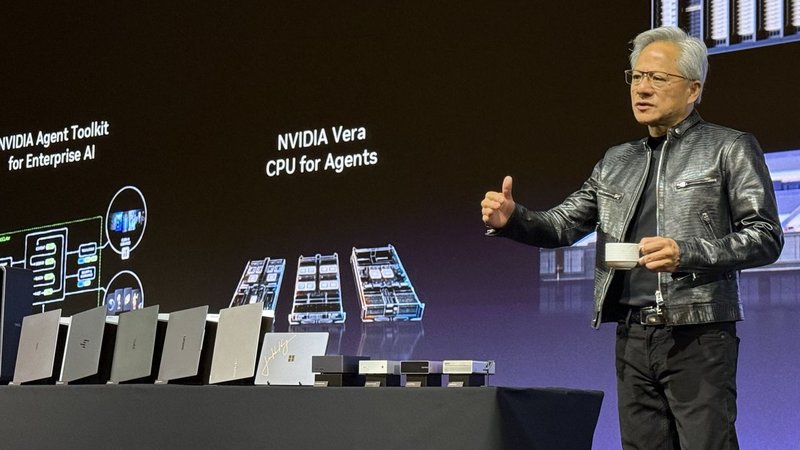
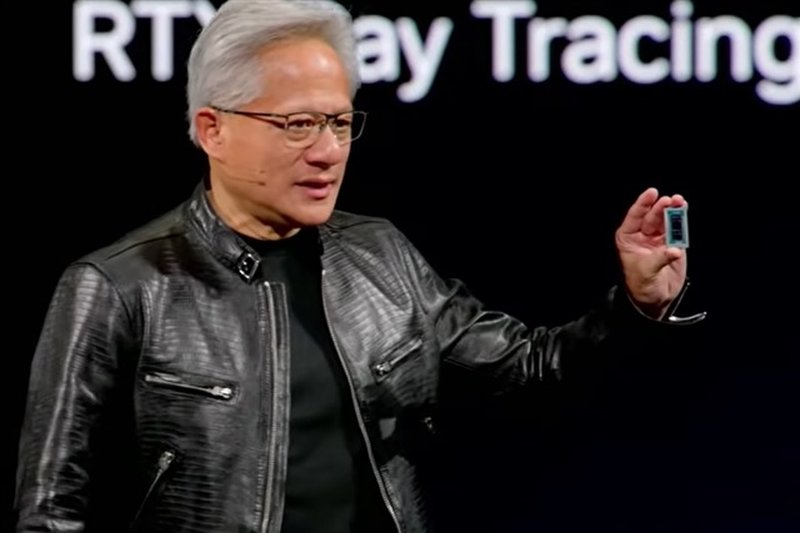
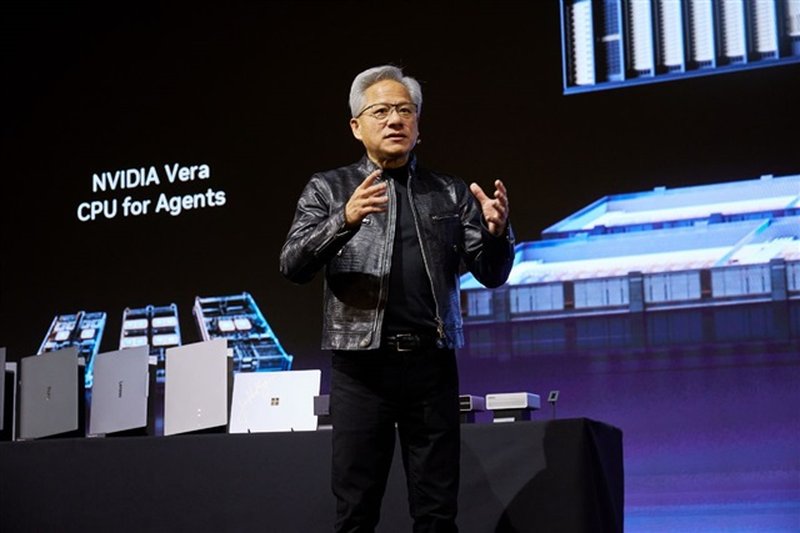
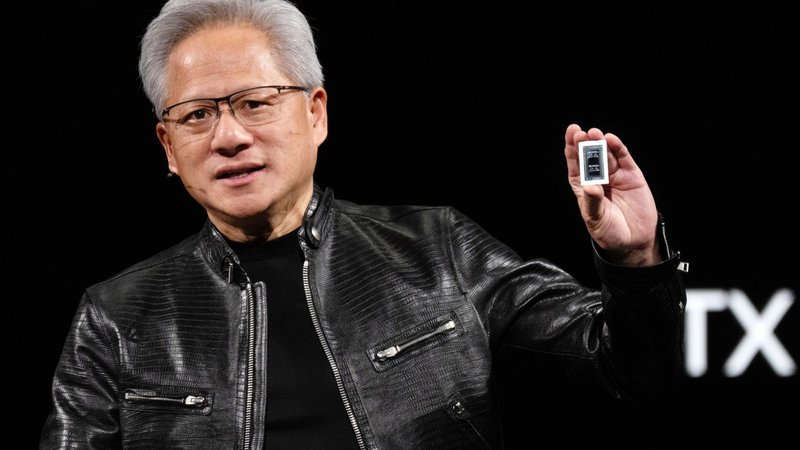
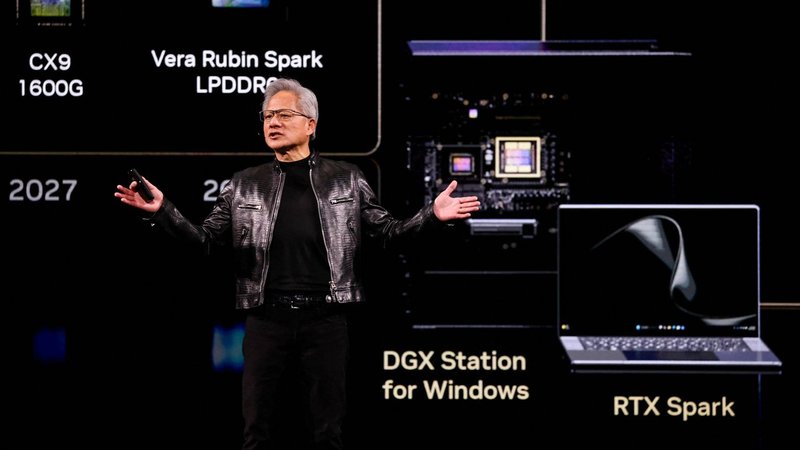
Nvidia and MediaTek recently offered an in-depth look into the genesis of their joint project, named RTX Spark. The collaboration, featuring CEOs Jensen Huang of Nvidia and Rick Tsai of MediaTek, promises to be significant for the technological landscape. A central element that emerged from the statements is Jensen Huang's insistence on integrating NVLink from the earliest stages of RTX Spark's development. This design choice underscores the importance attributed to high-speed interconnection between Graphics Processing Units (GPUs), a critical factor for the most demanding applications.
The commitment of Nvidia and MediaTek in this direction highlights a clear strategic vision. The integration of advanced hardware interconnection technologies is fundamental for unlocking new capabilities and improving the overall performance of systems, especially in contexts requiring massive data processing and complex models.
The Strategic Role of NVLink in AI Workloads
NVLink represents a proprietary Nvidia technology designed to facilitate high-bandwidth communication between GPUs and between GPUs and CPUs. Unlike traditional PCIe interconnections, NVLink offers significantly higher data transfer speeds, reducing latency and increasing throughput. This feature is crucial for Large Language Models (LLM) workloads and other artificial intelligence applications that require processing large datasets and running models with billions of parameters.
In a multi-GPU environment, NVLink allows cards to share VRAM more efficiently, creating a unified memory pool that can be leveraged to load larger models or handle larger batch sizes during Inference or Fine-tuning. Huang's insistence on NVLink for RTX Spark suggests that the project aims to fully exploit these capabilities, targeting solutions that can handle intensive AI workloads with optimal performance.
Implications for On-Premise Deployments and Data Sovereignty
The emphasis on robust hardware interconnection like NVLink has significant implications for organizations considering on-premise or hybrid LLM deployments. The ability to scale GPU performance locally, without relying entirely on external cloud infrastructures, is a decisive factor for data sovereignty and regulatory compliance. Companies in regulated sectors, such as finance or healthcare, often prefer to keep their data and models within their own infrastructure boundaries for security and control reasons.
An NVLink-based architecture can contribute to reducing the Total Cost of Ownership (TCO) in the long term, shifting investments from recurring cloud operational expenditures (OpEx) to capital expenditures (CapEx) for hardware. This approach offers greater control over resources, hardware customization, and workload management, allowing for optimized resource utilization and predictable performance. For those evaluating on-premise deployments, AI-RADAR offers analytical frameworks on /llm-onpremise to assess these trade-offs informatively.
Future Prospects and the Evolution of the AI Ecosystem
The collaboration between Nvidia and MediaTek, with its emphasis on NVLink, reflects a broader trend in the artificial intelligence sector: the growing need for deep hardware-software integration to maximize efficiency and performance. As Large Language Models become increasingly complex and computational requirements rise, the ability to optimize every component of the technology stack becomes crucial.
This type of synergy between hardware leaders like Nvidia and innovative players like MediaTek can accelerate the development of new AI solutions, offering enterprises more powerful and flexible tools for their workloads. The choice of technologies like NVLink highlights a commitment to high performance and scalability, indispensable elements for addressing current and future challenges in artificial intelligence, both in the cloud and, increasingly, in self-hosted environments.


💬 Comments (0)
🔒 Log in or register to comment on articles.
No comments yet. Be the first to comment!