
The Pillars of AI Hardware: Strategy and Challenges
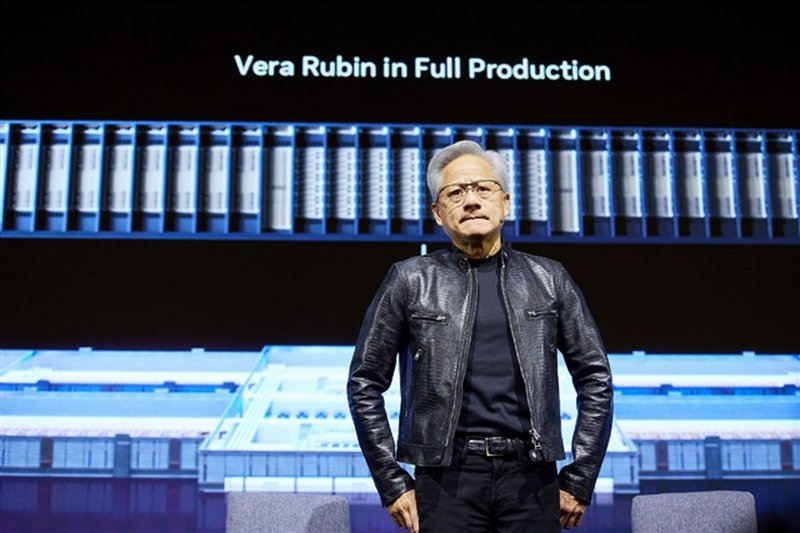
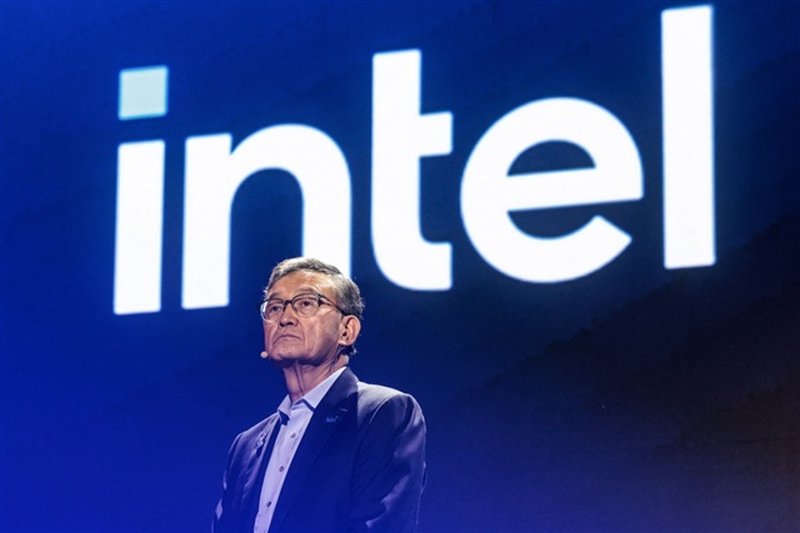
Recent events involving the leadership of Nvidia and TSMC, two pivotal players in the global technology landscape, offer insight into the complexities and pressures characterizing the artificial intelligence sector. While Nvidia's CEO hosted a high-profile event, TSMC's CEO is preparing to address internal bonus issues in person. These episodes, though distinct, underscore the centrality and influence of these companies on the AI supply chain and deployment strategies worldwide.
For professionals evaluating self-hosted solutions for Large Language Models (LLMs), the stability and strategic decisions of these silicon giants are of paramount importance. The availability of high-performance hardware and manufacturing efficiency are decisive factors for the Total Cost of Ownership (TCO) and feasibility of on-premise projects, where data sovereignty and technological control are priorities.
Nvidia: GPU Dominance and On-Premise Implications
Nvidia remains the undisputed leader in the GPU market, providing essential components for training and inference of artificial intelligence models, including LLMs. Cards like the A100 and H100 series have become the de facto standard for the most demanding workloads, thanks to their high VRAM and computing capabilities. However, this dominant position also brings significant challenges for companies aiming to build on-premise AI infrastructures.
High demand and sometimes limited supply can lead to elevated costs and extended delivery times, directly impacting the planning and budgeting of self-hosted deployments. Choosing the right Nvidia hardware, considering factors such as GPU memory, throughput, and latency, is crucial for optimizing LLM performance and ensuring that local infrastructure can effectively manage inference and, in some cases, fine-tuning requirements.
TSMC: The Heart of Silicon Production and Supply Chain Stability
Taiwan Semiconductor Manufacturing Company (TSMC) represents the core of advanced semiconductor manufacturing, serving as the foundry for most of the world's most sophisticated chips, including Nvidia's GPUs. Its production capacity and technological innovation are therefore directly related to the availability of AI hardware on the market. Internal challenges, such as those related to bonuses that TSMC's CEO is set to discuss, can, in a broader context, reflect tensions or strategies that might influence operational stability.
For organizations investing in on-premise AI infrastructures, the stability of TSMC's supply chain is a critical factor. Any disruption or slowdown in silicon production can have cascading repercussions, delaying hardware acquisition, increasing costs, and jeopardizing project continuity. The reliance on a limited number of advanced foundries highlights the need for robust strategic planning and careful assessment of supply chain risks.
Strategic Implications for On-Premise AI Deployments
The dynamics of companies like Nvidia and TSMC are not merely market news, but key indicators for those designing and managing AI infrastructures. The ability to secure cutting-edge hardware, understanding long-term costs (TCO), and mitigating supply chain risks are fundamental elements for the success of on-premise LLM deployments. These approaches, which prioritize data sovereignty and direct control over infrastructure, require a holistic vision that considers the strategies of major silicon providers.
For those evaluating on-premise deployments, AI-RADAR offers analytical frameworks on /llm-onpremise to assess the trade-offs between performance, cost, and control. The decisions made today by silicon giants will shape tomorrow's technological landscape, making it essential for CTOs and infrastructure architects to closely monitor these evolutions to ensure the resilience and effectiveness of their self-hosted AI solutions.






💬 Comments (0)
🔒 Log in or register to comment on articles.
No comments yet. Be the first to comment!