Jensen Huang's Statement and the Geopolitical Context
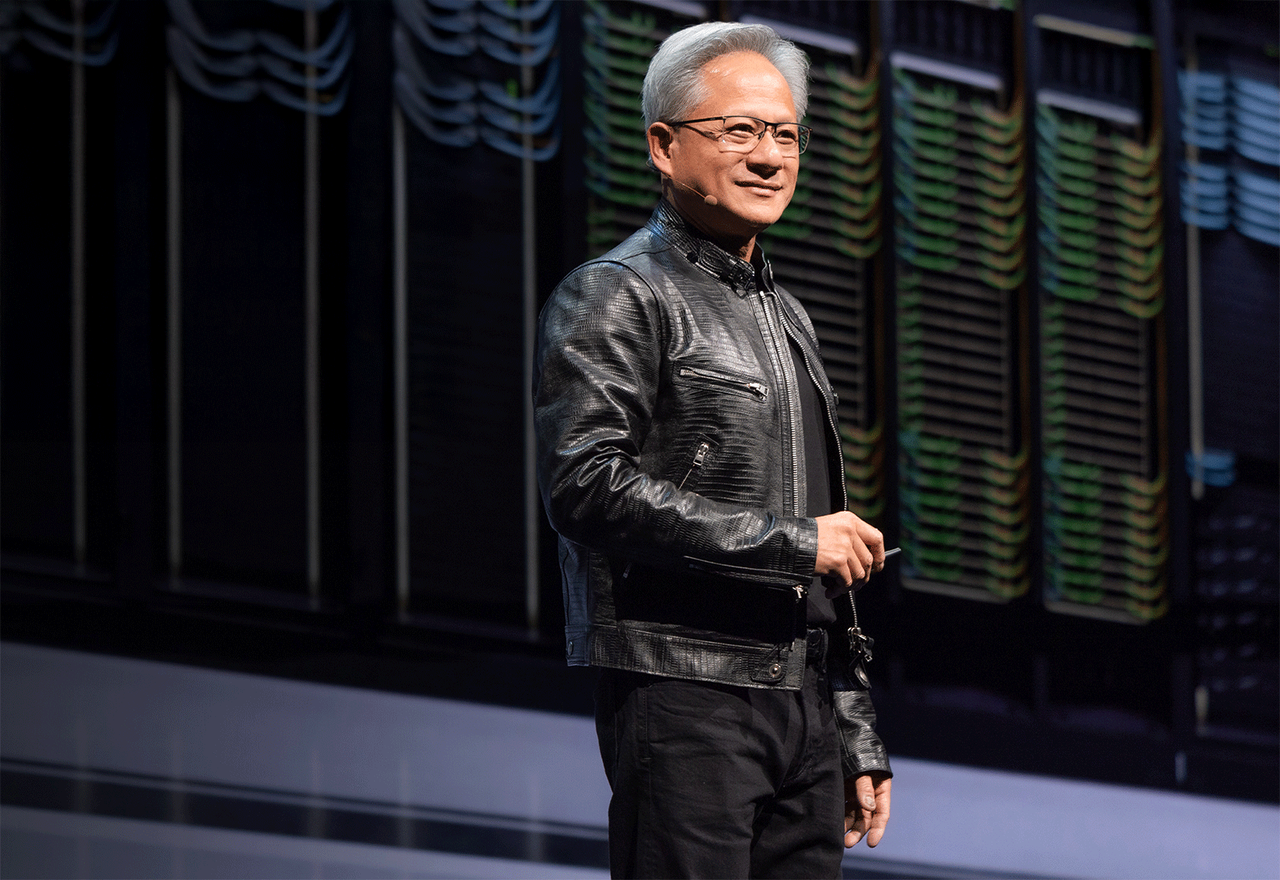
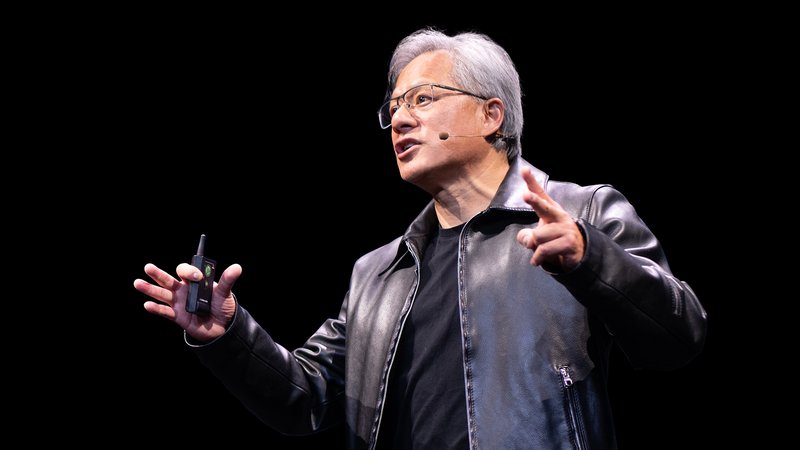
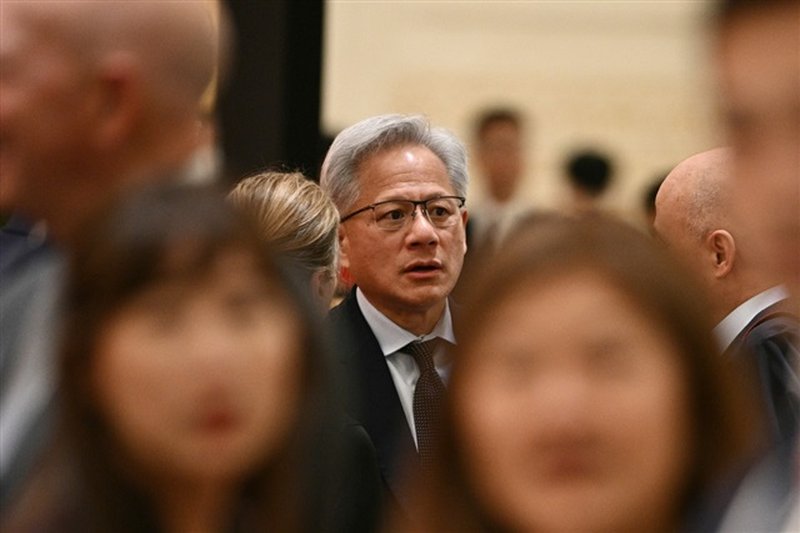
Jensen Huang, CEO of Nvidia, has made a significant statement regarding the company's position in the Chinese market. According to Huang, Nvidia currently holds a "zero percent" market share in China, a figure he directly attributes to export policies imposed by the United States. This assertion not only highlights ongoing trade tensions but also suggests that these restrictions have "largely backfired" on their intended objectives.
China represents a crucial market for the global technology industry, particularly for the artificial intelligence sector, where the demand for high-performance hardware is constantly growing. Export restrictions on advanced technologies, especially chips and GPUs intended for AI and supercomputing workloads, have created a complex environment for global companies operating in the country.
The Impact on AI Infrastructure and On-Premise Deployment
The lack of access to leading-edge GPUs, such as those produced by Nvidia, has direct consequences for Chinese companies seeking to develop and implement artificial intelligence solutions. For CTOs, DevOps leads, and infrastructure architects evaluating on-premise LLM deployment, hardware procurement becomes a critical constraint. Without the availability of advanced silicio, the ability to build robust local stacks for inference and training of complex models is severely compromised.
This scenario compels companies to explore alternatives, which may include developing proprietary chips or adopting less performant but locally available hardware solutions. Such choices inevitably involve trade-offs in terms of throughput, latency, and overall TCO. The need to ensure data sovereignty and compliance, often priorities for on-premise and air-gapped deployments, clashes with the difficulty of sourcing the necessary hardware.
Market Implications and the Search for Alternatives
Huang's statement suggests that export policies, rather than limiting China's technological capabilities, may have inadvertently stimulated the development of domestic alternatives. A market with a "zero percent" share for a dominant player like Nvidia creates a vacuum that other, often local, suppliers are incentivized to fill. This can accelerate internal innovation and the creation of an independent hardware and software ecosystem.
For organizations operating in contexts with similar restrictions, evaluating the Total Cost of Ownership (TCO) for AI infrastructures becomes even more complex. It's not just about the initial hardware cost, but also its long-term availability, maintenance, energy efficiency, and scalability. The choice between self-hosted and cloud solutions, already intricate, gains additional variables related to the supply chain and geopolitics.
Future Prospects for the Global Silicio Market
The situation described by Jensen Huang underscores a broader trend of fragmentation in the global silicio and AI market. Export control policies, while aiming for specific strategic objectives, can have unpredictable ripple effects, altering competitive dynamics and fostering technological resilience in regions subject to restrictions.
For internationally operating companies, understanding these constraints is fundamental for planning AI deployment and investment strategies. The ability to adapt to diversified supply scenarios and evaluate hardware and software solutions that ensure flexibility and control, even in air-gapped environments, becomes a critical success factor. AI-RADAR, for instance, offers analytical frameworks on /llm-onpremise to support decisions regarding trade-offs between on-premise and cloud deployment, also considering these complex external factors.






💬 Comments (0)
🔒 Log in or register to comment on articles.
No comments yet. Be the first to comment!