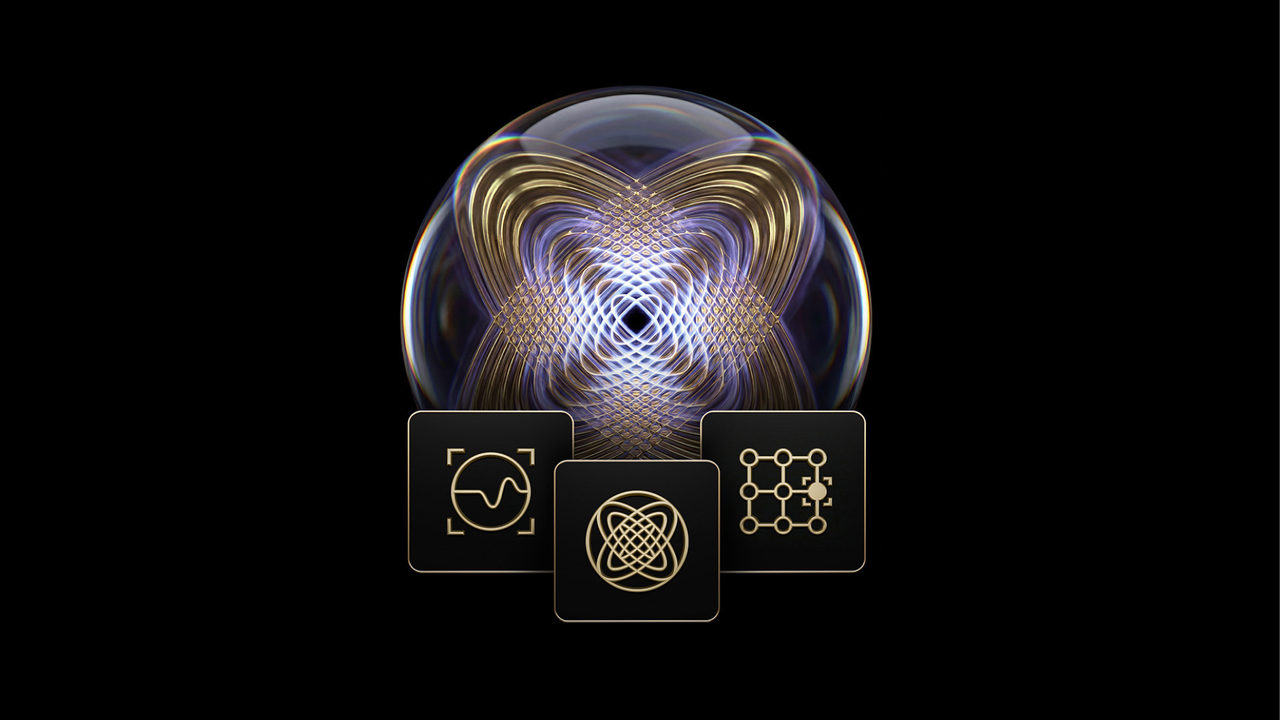
Nvidia Enters Quantum Computing with Open AI Models
Nvidia has recently announced a strategic expansion into the quantum computing sector, introducing a series of open artificial intelligence models. This move aims to provide developers and researchers with advanced tools to tackle the unique computational challenges presented by this emerging technology. The initiative underscores Nvidia's commitment to supporting innovation through Open Source, an approach that can accelerate discovery and development in highly specialized fields.
The release of these models represents a significant step towards democratizing access to advanced computational resources, allowing a broader audience to explore and implement solutions for quantum computing. The availability of open models can foster collaboration and the creation of new applications, reducing barriers to entry for those wishing to contribute to this rapidly evolving sector.
The Ising Model: Speed and Precision in Decoding
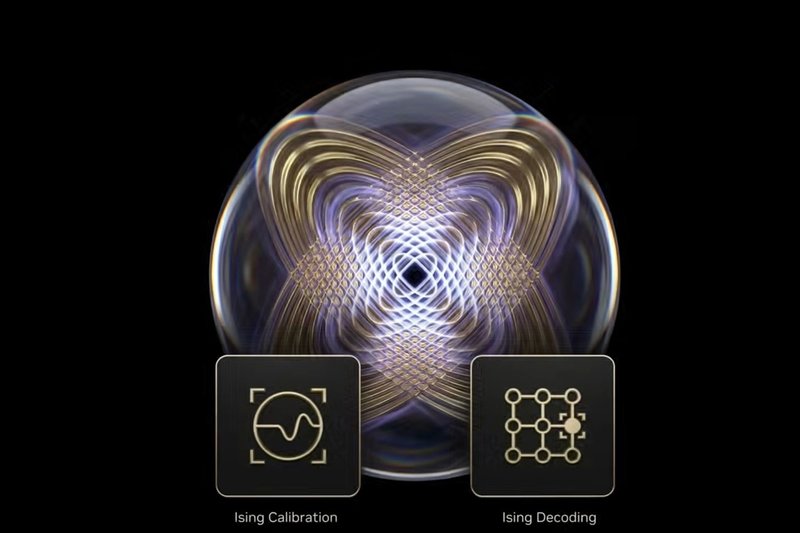
At the core of this new offering is the 'Ising' model, specifically designed for quantum computing tasks, with a particular focus on decoding operations. According to Nvidia's statements, Ising stands out for its performance capabilities, promising to be 2.5 times faster and 3 times more accurate than existing tools on the market for the same activities. These metrics, if confirmed in real-world usage contexts, could have a significant impact on the efficiency and reliability of quantum computation processes.
Decoding is a critical operation in many quantum algorithms, directly influencing the ability to extract meaningful results from complex calculations. Such a marked improvement in speed and precision could not only accelerate research but also make certain quantum computing applications more practical that were previously limited by the performance of existing tools. The 'open' nature of the Ising model also allows the community to examine, improve, and adapt the code to their specific needs.
Implications for Infrastructure and Deployment
Although quantum computing is still in its early stages, the introduction of specialized AI models like Ising highlights the growing need for robust and flexible computational infrastructures. Even for the simulation and development of quantum algorithms, hardware requirements can be significant, demanding high-performance GPUs and ample VRAM capacity to handle complex workloads. The decision to adopt an Open Source approach for these models suggests a strategy aimed at stimulating adoption and innovation, but also emphasizes the challenges of deployment.
For organizations evaluating the deployment of AI workloads, including those that might interface with quantum computing in the future, considerations of Total Cost of Ownership (TCO) and data sovereignty remain central. Whether in self-hosted, on-premise, or hybrid environments, the choice of infrastructure must balance performance, costs, and compliance requirements. AI-RADAR offers analytical Frameworks on /llm-onpremise to evaluate the trade-offs between different deployment strategies, ensuring that infrastructural decisions align with business objectives and technical constraints.
Future Prospects and Nvidia's Role
The release of open AI models for quantum computing by Nvidia positions the company as a key player in the development of this cutting-edge field. By providing tools that promise to significantly improve the speed and accuracy of decoding operations, Nvidia helps overcome some of the technical barriers that have slowed the adoption and exploration of quantum computing. This approach could accelerate the discovery of new applications and the optimization of existing algorithms.
In a technological landscape where AI and quantum computing are increasingly converging, the availability of high-performance Frameworks and models is fundamental. Nvidia's strategy of making these tools Open Source not only fosters collaboration within the scientific community but also paves the way for future innovations that could redefine the limits of computation. The focus on performance and accessibility will be crucial for translating the theoretical potential of quantum computing into practical and scalable solutions.




💬 Comments (0)
🔒 Log in or register to comment on articles.
No comments yet. Be the first to comment!