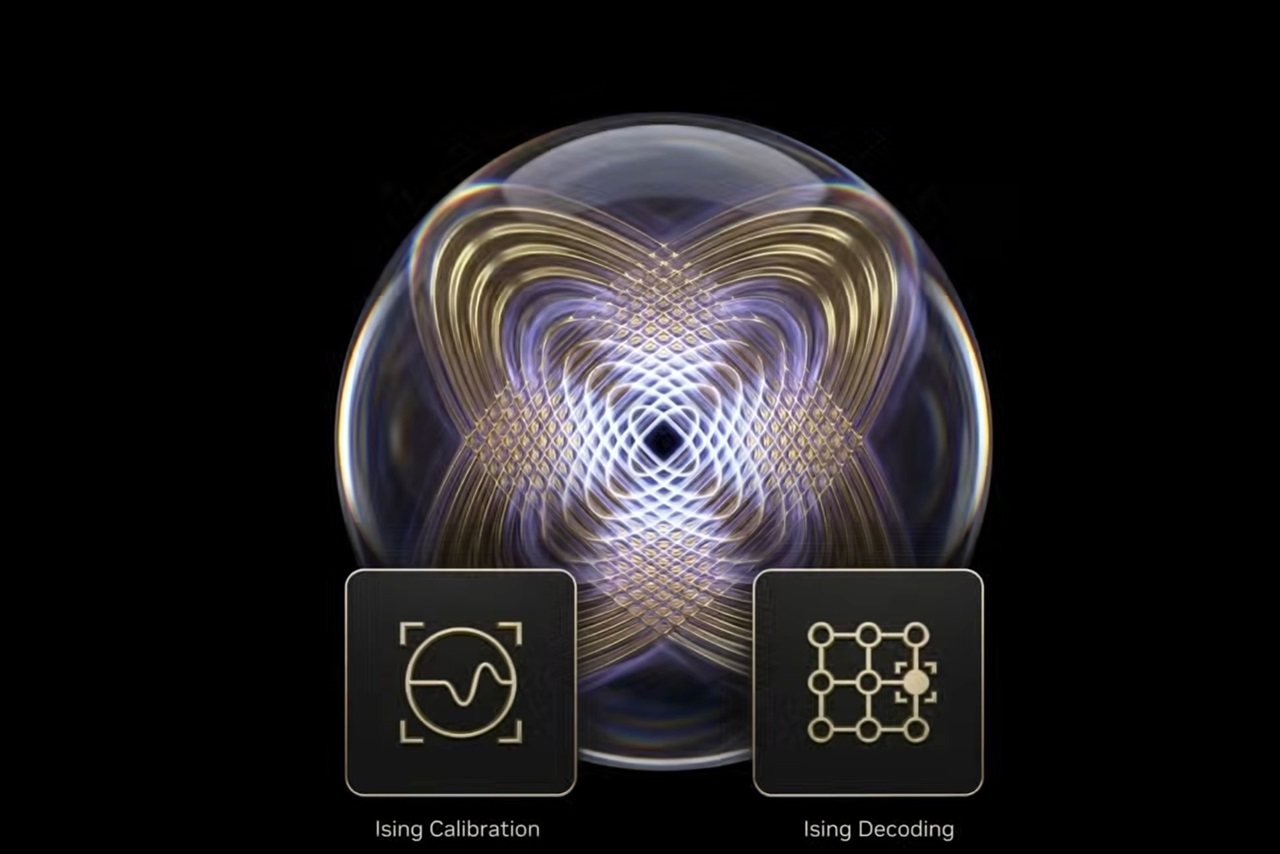
Nvidia e il futuro del computing quantistico con i modelli "Ising"
Nvidia, attore di primo piano nel panorama dell'accelerazione computazionale, ha recentemente svelato una nuova serie di modelli di intelligenza artificiale, battezzati "Ising". Questi modelli sono stati concepiti con l'obiettivo specifico di imprimere un'accelerazione significativa allo sviluppo del computing quantistico, un campo che promette di rivoluzionare numerosi settori, dalla medicina alla crittografia. L'annuncio evidenzia la strategia di Nvidia di estendere la propria influenza oltre il tradizionale machine learning, puntando a settori emergenti che richiedono capacità di calcolo estreme.
Il computing quantistico, pur essendo ancora nelle sue fasi iniziali, presenta sfide computazionali uniche e complesse. La capacità di simulare e risolvere problemi che superano le possibilità dei supercomputer classici è al centro della sua promessa. L'introduzione dei modelli "Ising" da parte di Nvidia suggerisce un approccio ibrido, dove l'AI viene impiegata per ottimizzare o assistere i processi di ricerca e sviluppo quantistici. Questo potrebbe includere l'accelerazione della simulazione di sistemi quantistici, l'ottimizzazione degli algoritmi quantistici o la gestione degli errori, aspetti cruciali per la scalabilità e l'affidabilità delle future architetture quantistiche.
L'intersezione tra AI e computing quantistico: un ponte verso nuove frontiere
L'integrazione dell'intelligenza artificiale nello sviluppo del computing quantistico rappresenta una sinergia promettente. I modelli AI possono, ad esempio, aiutare a identificare configurazioni ottimali per i qubit, a prevedere il comportamento dei sistemi quantistici o a migliorare la calibrazione dei processori quantistici. Questo approccio può ridurre drasticamente i tempi di sperimentazione e iterazione, accelerando la scoperta di nuovi algoritmi e applicazioni quantistiche. Per le organizzazioni che investono in questo settore, l'efficienza computazionale è un fattore chiave per mantenere un vantaggio competitivo.
L'hardware gioca un ruolo fondamentale in questo contesto. Sebbene il computing quantistico si basi su principi fisici distinti, lo sviluppo e la simulazione di tali sistemi richiedono spesso risorse di calcolo ad alte prestazioni. Le GPU di Nvidia, note per la loro capacità di elaborazione parallela, sono già ampiamente utilizzate per carichi di lavoro di AI e simulazioni scientifiche complesse. È plausibile che i modelli "Ising" siano ottimizzati per sfruttare al meglio queste architetture, offrendo ai ricercatori e agli sviluppatori gli strumenti necessari per esplorare nuove frontiere senza dover attendere la piena maturità dell'hardware quantistico.
Implicazioni per la ricerca e il deployment on-premise
L'introduzione di strumenti come i modelli "Ising" ha implicazioni significative per i centri di ricerca, le università e le grandi aziende che operano nel campo del computing quantistico. Molte di queste entità preferiscono mantenere il controllo completo sui propri dati e sulle proprie infrastrutture, optando per soluzioni self-hosted o deployment on-premise. La possibilità di eseguire simulazioni e sviluppare algoritmi quantistici utilizzando modelli AI su hardware proprietario offre vantaggi in termini di sovranità dei dati, sicurezza e personalizzazione.
Per chi valuta deployment on-premise, esistono trade-off da considerare attentamente, come il TCO (Total Cost of Ownership) e la gestione dell'infrastruttura. Tuttavia, la capacità di mantenere i dati sensibili all'interno dei propri confini e di adattare l'ambiente computazionale alle esigenze specifiche di ricerca può superare i costi iniziali. AI-RADAR offre framework analitici su /llm-onpremise per valutare questi trade-off, fornendo approfondimenti sulle considerazioni di CapEx, OpEx e requisiti di VRAM per carichi di lavoro AI e di simulazione avanzata.
Prospettive future: l'AI come catalizzatore quantistico
L'iniziativa di Nvidia con i modelli "Ising" si inserisce in un trend più ampio che vede l'intelligenza artificiale non solo come un campo a sé stante, ma anche come un potente catalizzatore per altre discipline scientifiche e tecniciche. Accelerare lo sviluppo del computing quantistico significa potenzialmente anticipare scoperte in settori critici come la scoperta di farmaci, la scienza dei materiali e la sicurezza informatica.
Questo approccio ibrido, che combina le capacità dell'AI con le sfide del quantistico, potrebbe delineare il percorso per la realizzazione di computer quantistici tolleranti agli errori e per l'implementazione pratica di algoritmi quantistici. Nvidia, con la sua esperienza nell'hardware e nel software per l'AI, si posiziona come un facilitatore chiave in questa evoluzione, fornendo strumenti che possono aiutare a superare le barriere tecniche e a trasformare il potenziale teorico del computing quantistico in applicazioni concrete e tangibili.






💬 Commenti (0)
🔒 Accedi o registrati per commentare gli articoli.
Nessun commento ancora. Sii il primo a commentare!