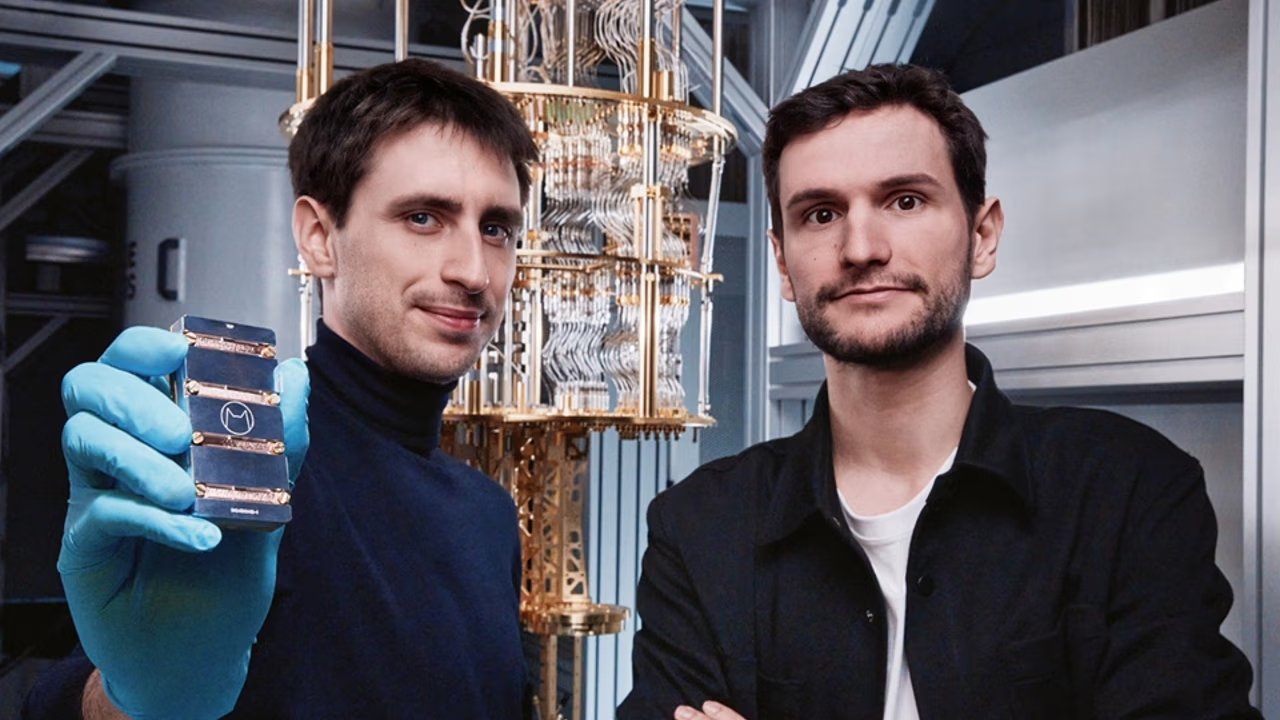
NVIDIA investe in Alice & Bob per l'accelerazione del quantum computing ibrido
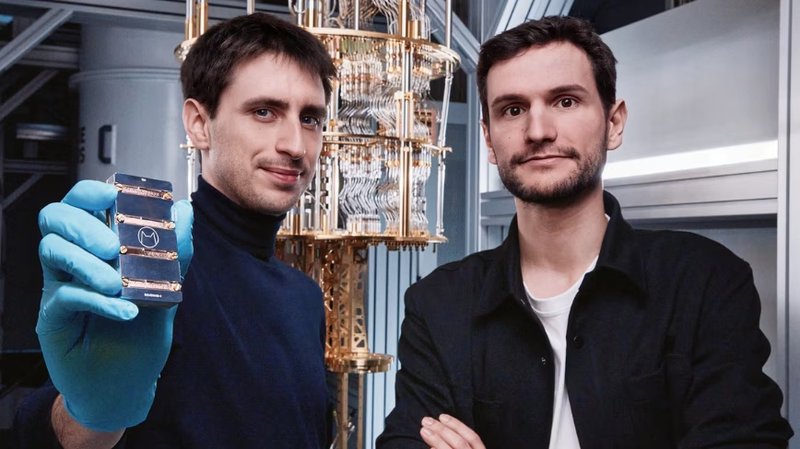
NVentures, il braccio di venture capital di NVIDIA, ha annunciato un investimento strategico in Alice & Bob, azienda francese pioniera nel campo del quantum computing fault-tolerant. Questo finanziamento espande il round di Serie B di Alice & Bob, che aveva già raggiunto i 100 milioni di euro. L'operazione sottolinea l'importanza crescente del settore del calcolo quantistico e la fiducia nell'approccio di Alice & Bob allo sviluppo di architetture resilienti agli errori.
L'investimento è destinato a supportare Alice & Bob nello sviluppo della sua architettura proprietaria, un passo cruciale verso la realizzazione di computer quantistici fault-tolerant. Questa tecnicia è considerata fondamentale per sbloccare il pieno potenziale del quantum computing, superando le attuali limitazioni legate alla stabilità e alla coerenza dei qubit. La partnership con NVIDIA, leader nel computing accelerato, mira a catalizzare questo progresso.
La Collaborazione Tecnica e l'Approccio Ibrido
La relazione tra Alice & Bob e NVIDIA non è nuova; le due aziende hanno infatti instaurato una stretta collaborazione tecnica sin dal 2024. Questa partnership ha già visto l'integrazione dell'architettura "cat-qubit" di Alice & Bob con l'ecosistema di computing accelerato di NVIDIA, che include sia componenti hardware che software.
Tra gli strumenti di collaborazione figurano NVIDIA CUDA-Q e cuQuantum, piattaforme essenziali per lo sviluppo quantistico. Alice & Bob ha contribuito con Dynamiqs, la sua libreria open source per la simulazione quantistica. Un altro pilastro di questa sinergia è NVQLink, l'architettura aperta di NVIDIA progettata specificamente per il computing ibrido quantistico-classico. Théau Peronnin, CEO di Alice & Bob, ha sottolineato come l'investimento di NVentures rappresenti una nuova fase di questa relazione, rafforzando la visione comune di un futuro quantistico ibrido, dove il calcolo quantistico e quello classico si combinano per risolvere problemi complessi del mondo reale.
Implicazioni per i Centri di Calcolo ad Alte Prestazioni
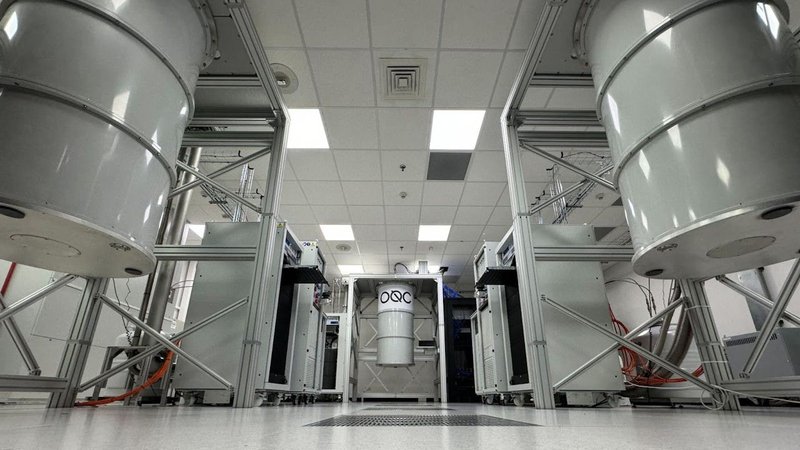
L'obiettivo congiunto di Alice & Bob e NVIDIA è portare i computer quantistici nei centri di calcolo ad alte prestazioni (HPC) a livello globale. Questo implica un'integrazione profonda dei "cat-qubit" di Alice & Bob con l'infrastruttura di computing accelerato e lo stack software di NVIDIA. Timothy Costa, Vice President e General Manager di Quantum presso NVIDIA, ha evidenziato come NVIDIA abbia costruito la piattaforma necessaria all'ecosistema quantistico per sviluppare ed eseguire supercomputer ibridi quantistico-GPU, collegando i processori quantistici al computing accelerato all'avanguardia.
Per i CTO, i responsabili DevOps e gli architetti di infrastruttura che valutano le future strategie di deployment, questa evoluzione è significativa. L'adozione di soluzioni ibride, che combinano hardware specializzato on-premise con capacità di calcolo avanzate, può offrire vantaggi in termini di sovranità dei dati, controllo e ottimizzazione del TCO per carichi di lavoro computazionali estremamente complessi. Sebbene la fonte non specifichi dettagli hardware precisi, l'enfasi sull'integrazione con l'infrastruttura esistente suggerisce un modello che potrebbe beneficiare di deployment self-hosted o bare metal in ambienti HPC.
Prospettive Future e Considerazioni Strategiche
La collaborazione tra Alice & Bob e NVIDIA è destinata a proseguire, con progetti di integrazione già in corso tra le due organizzazioni. Questa sinergia mira a far progredire il calcolo scientifico del futuro, sfruttando il potenziale dei computer quantistici per affrontare sfide che vanno oltre le capacità dei sistemi classici attuali. La visione condivisa di un supercomputing quantistico accelerato è al centro di questa partnership.
Sebbene i dettagli finanziari specifici dell'investimento non siano stati resi noti, l'impegno di un attore come NVIDIA attraverso il suo braccio di venture capital sottolinea la fiducia nel potenziale commerciale e tecnicico del quantum computing fault-tolerant. Per le aziende che considerano l'integrazione di tecnicie emergenti come il quantum computing, comprendere i trade-off tra deployment on-premise e soluzioni cloud, specialmente per carichi di lavoro che richiedono hardware specifico e controllo sui dati, diventa cruciale. AI-RADAR offre framework analitici per valutare queste decisioni strategiche.







💬 Commenti (0)
🔒 Accedi o registrati per commentare gli articoli.
Nessun commento ancora. Sii il primo a commentare!