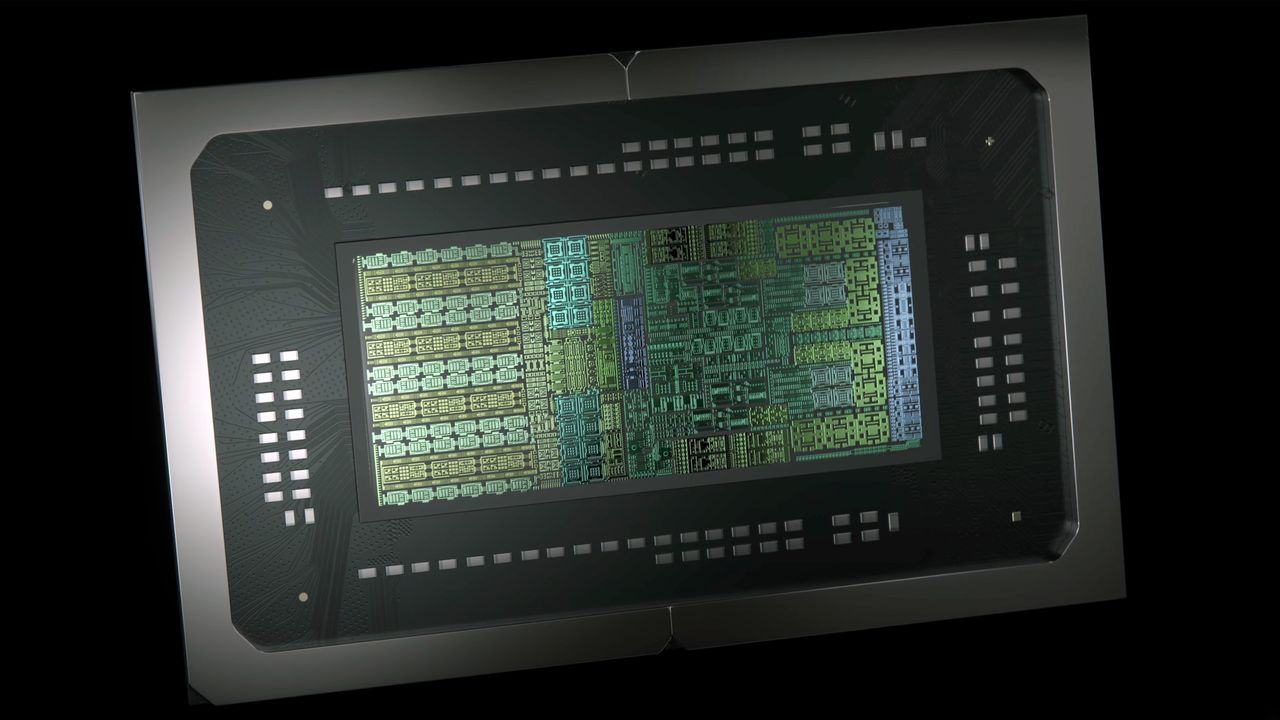
Nvidia N1/N1X: Arm-based SoC Details Leak Ahead of Computex Launch
Introduction
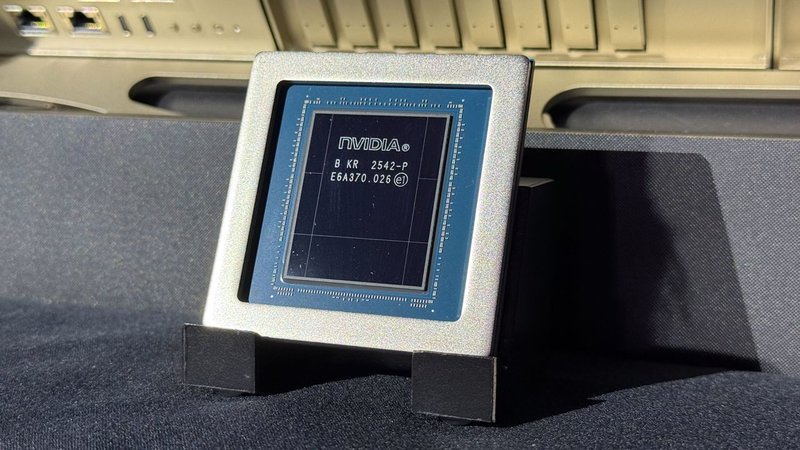
Just days before the anticipated Computex event, initial details regarding the specifications of Nvidia's N1/N1X System-on-Chip (SoC) have surfaced. The leaked information reveals an architecture based on Arm processors, with configurations promising to extend Nvidia's presence beyond the traditional data center GPU domain, targeting segments where power efficiency and integration are crucial. This development occurs within a market context where companies are seeking increasingly optimized hardware solutions for AI workloads, both in the cloud and in on-premise and edge deployment scenarios.
For CTOs, DevOps leads, and infrastructure architects, selecting the right hardware is fundamental to balancing performance, TCO, and data sovereignty requirements. Nvidia's introduction of an Arm-based SoC could offer new options for applications demanding local AI processing, reducing reliance on external cloud infrastructures.
Technical and Architectural Details
According to the leaks, the Nvidia N1 SoC will feature up to 20 Arm-based cores. The expected standard configurations include 12-core and 10-core variants, suggesting flexibility designed for diverse performance and power consumption needs. A System-on-Chip typically integrates CPU, GPU, memory controller, and other peripherals on a single die, offering high efficiency and a reduced footprint. This integration is particularly advantageous for edge devices and embedded solutions that require AI processing capabilities directly in the field.
The reference to "Nvidia GB10" within the context of these leaks suggests a connection to Nvidia's broader strategy, which includes the new Blackwell architecture. While specific details of GB10 have not been elaborated, it is plausible that this SoC could benefit from synergies with innovations introduced in the latest GPU architectures, optimizing the execution of Inference workloads for Large Language Models (LLM) and other artificial intelligence models.
Implications for On-Premise and Edge Deployment
Nvidia's adoption of an Arm-based SoC opens up interesting scenarios for on-premise and edge computing deployments. Arm-based solutions are known for their power efficiency, a critical factor for reducing TCO in local installations, especially where space and thermal dissipation are constraints. An integrated SoC can simplify infrastructure, reducing the complexity and operational costs associated with managing discrete components.
For companies with stringent data sovereignty, compliance requirements, or for air-gapped environments, the local processing offered by these SoCs becomes a strategic choice. Sectors such as manufacturing, healthcare, or defense can benefit from the ability to run AI models directly on devices, ensuring that sensitive data never leaves the controlled environment. AI-RADAR, through its analyses on /llm-onpremise, provides frameworks for evaluating the trade-offs between self-hosted and cloud solutions, highlighting how specific hardware can influence these strategic decisions.
Future Outlook and Market Context
The launch of the N1/N1X SoC at Computex will mark a significant step for Nvidia in diversifying its AI hardware offerings. While high-end GPUs continue to dominate data centers for training complex models, solutions like the N1/N1X could solidify Nvidia's position in the growing market for low-power Inference and distributed AI. This strategic positioning addresses the increasing demand for AI processing in non-traditional contexts, where latency, power consumption, and form factor are priorities.
Competition in the AI chip sector is constantly evolving, with players proposing customized solutions for every segment. The Nvidia N1/N1X, with its Arm architecture and flexible configurations, presents an interesting proposition for those seeking a balance between performance, efficiency, and control for their AI workloads. Computex will provide further details and clarify the exact positioning of this new SoC family within the technological landscape.





💬 Comments (0)
🔒 Log in or register to comment on articles.
No comments yet. Be the first to comment!