
China's AI Landscape: An Evolving Market
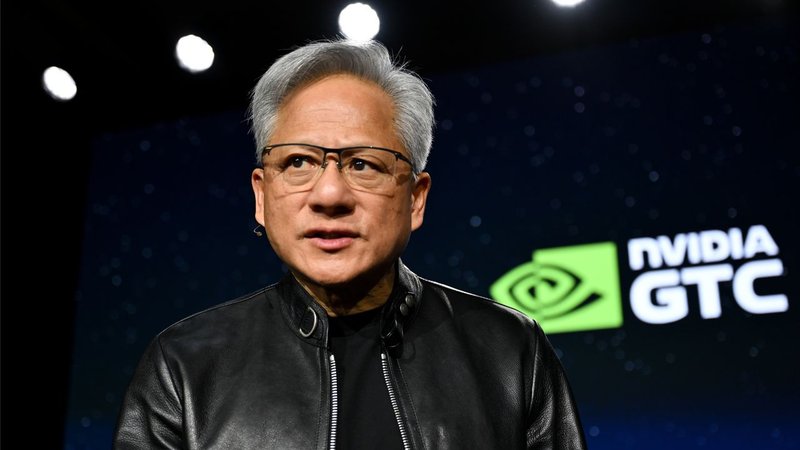
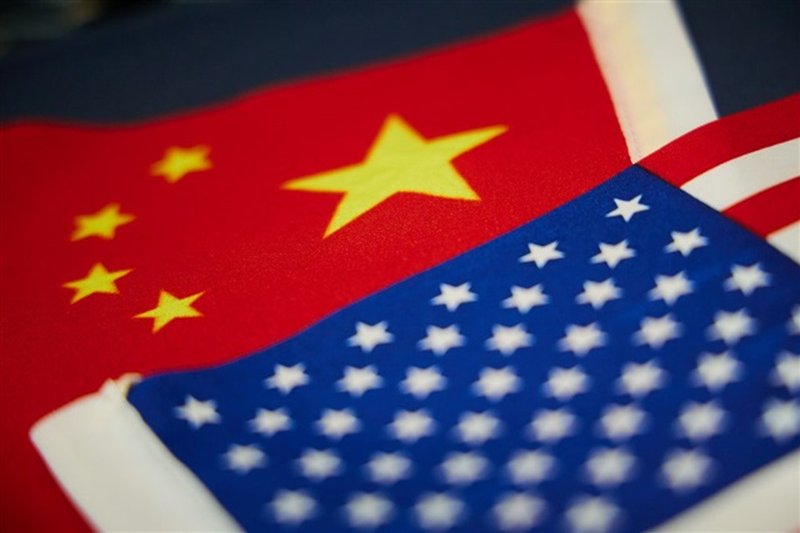
The Chinese market for artificial intelligence GPUs is undergoing a profound transformation. Nvidia, the undisputed global leader in the sector, has seen its market share in China fall below 60%. This significant shift is the result of a targeted government strategy to promote the adoption of domestic hardware solutions within national data centers.
In parallel with Nvidia's declining presence, Chinese chip manufacturers have intensified their production and deliveries. It is estimated that they have already supplied 1.65 million AI GPUs, a number that underscores the country's growing capacity and ambition to reduce dependence on foreign suppliers. This dynamic not only redefines market balances but also raises crucial questions for companies operating or intending to operate in China, especially regarding infrastructure choices.
Implications for On-Premise Deployments and Data Sovereignty
For CTOs, DevOps leads, and infrastructure architects, this evolution in the Chinese market has direct implications for deployment decisions. The government's push for domestic chips encourages organizations to carefully evaluate self-hosted and on-premise options, where control over hardware and the supply chain becomes a strategic factor. Data sovereignty and regulatory compliance, particularly in air-gapped contexts or those with stringent requirements, can benefit from using infrastructure based on local silicio.
However, choosing to adopt domestic hardware also introduces a series of trade-offs. While it strengthens control and potentially reduces geopolitical risks, it is essential to consider the overall Total Cost of Ownership (TCO). This includes not only the initial cost of GPUs but also energy efficiency, compatibility with existing software Frameworks, the availability of a support ecosystem, and performance in terms of Inference and training for Large Language Models (LLM). For those evaluating on-premise deployments, AI-RADAR offers analytical frameworks on /llm-onpremise to assess these trade-offs.
The Technological Challenge and Hardware Alternatives
Developing globally competitive AI GPUs represents a considerable technological challenge. Chinese manufacturers are investing heavily to close the gap with leaders like Nvidia, who benefit from years of research and development, a mature software ecosystem (such as CUDA), and a vast user base. Domestic hardware alternatives must demonstrate not only adequate computing capabilities but also robust support for AI development pipelines, model Quantization, and Throughput optimization.
Companies considering these alternatives must carefully evaluate technical specifications, such as available VRAM, memory bandwidth, and interconnection capabilities, to ensure they meet the requirements of their LLM workloads. The maturity of the software Framework and ease of integration with existing stacks are equally crucial. Diversifying silicio suppliers can offer resilience but requires careful planning and thorough testing to mitigate performance and compatibility risks.
Future Prospects for AI Infrastructure
The decline in Nvidia's market share in China and the rise of local manufacturers signal a broader trend towards regionalization and diversification of technology supply chains. This dynamic is set to influence not only the Chinese market but also global AI deployment strategies. Companies will increasingly need to consider a hybrid or multi-vendor approach for their AI infrastructure, balancing performance, costs, security, and sovereignty requirements.
In a context where AI technology is increasingly strategic, a country's ability to autonomously develop and produce key components like GPUs becomes a fundamental asset. For decision-makers, this means integrating not only traditional technical and economic metrics into their evaluations but also geopolitical factors and supply chain resilience. The future of AI infrastructure will likely be characterized by greater complexity and a growing need for adaptability.






💬 Comments (0)
🔒 Log in or register to comment on articles.
No comments yet. Be the first to comment!