
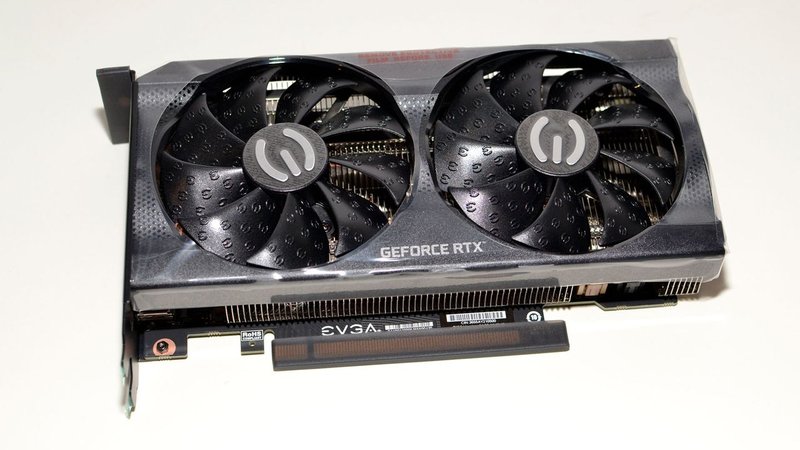
Reports indicate that Nvidia is preparing to implement a new round of price increases for its GeForce RTX graphics cards, with hikes potentially reaching up to 30%. This news, if confirmed, will have significant repercussions far beyond the gaming market, directly influencing the strategic decisions of CTOs, DevOps leads, and infrastructure architects evaluating the deployment of AI and Large Language Models (LLM) workloads in on-premise environments.
GeForce RTX GPUs, despite being consumer-grade products, have become a cornerstone for many local AI implementations. They often offer an irreplaceable balance of VRAM capacity, computing power, and cost, especially for teams, startups, or departments that cannot sustain the initial investment required by high-end professional cards like the A100 or H100 series. The price increase, which adds to previous hikes and already high demand, directly impacts the Total Cost of Ownership (TCO) of self-hosted AI infrastructures.
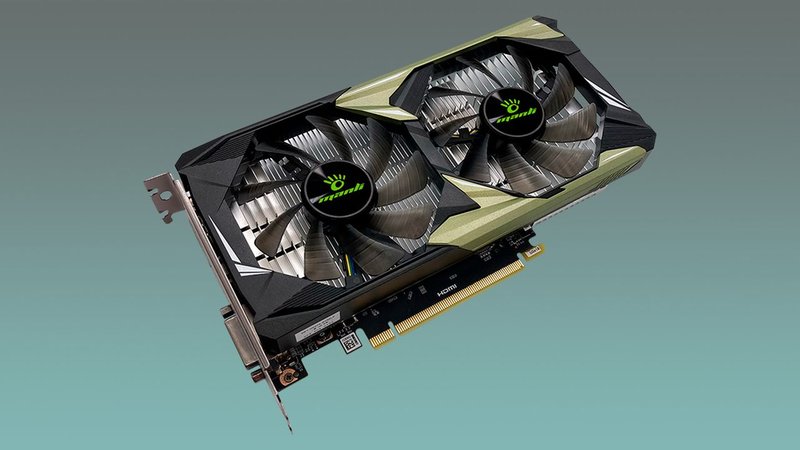
For organizations prioritizing data sovereignty, compliance, and the need for air-gapped environments, local hardware is a mandatory choice. However, the increasing volatility and cost of Nvidia's silicon complicate CapEx planning. This scenario prompts a reconsideration of hardware acquisition strategies: alternatives such as AMD or Intel GPUs, or the adoption of previous generations of Nvidia cards, if available at lower prices, will be evaluated more carefully. Furthermore, it becomes even more critical to invest in advanced optimization techniques, such as model Quantization and the use of efficient Inference Frameworks, to maximize the performance of existing hardware and extend its useful lifecycle.
Increased costs for fundamental on-premise AI hardware could also, in some cases, push companies to consider a partial or total migration of AI workloads to the cloud, despite implications for data sovereignty and control. This highlights Nvidia's dominant position in the AI hardware market and the structural challenges companies face in building and maintaining robust and competitive local AI stacks. For those evaluating on-premise deployments, AI-RADAR offers analytical frameworks on /llm-onpremise to assess the trade-offs between cost, performance, and control.





💬 Comments (0)
🔒 Log in or register to comment on articles.
No comments yet. Be the first to comment!