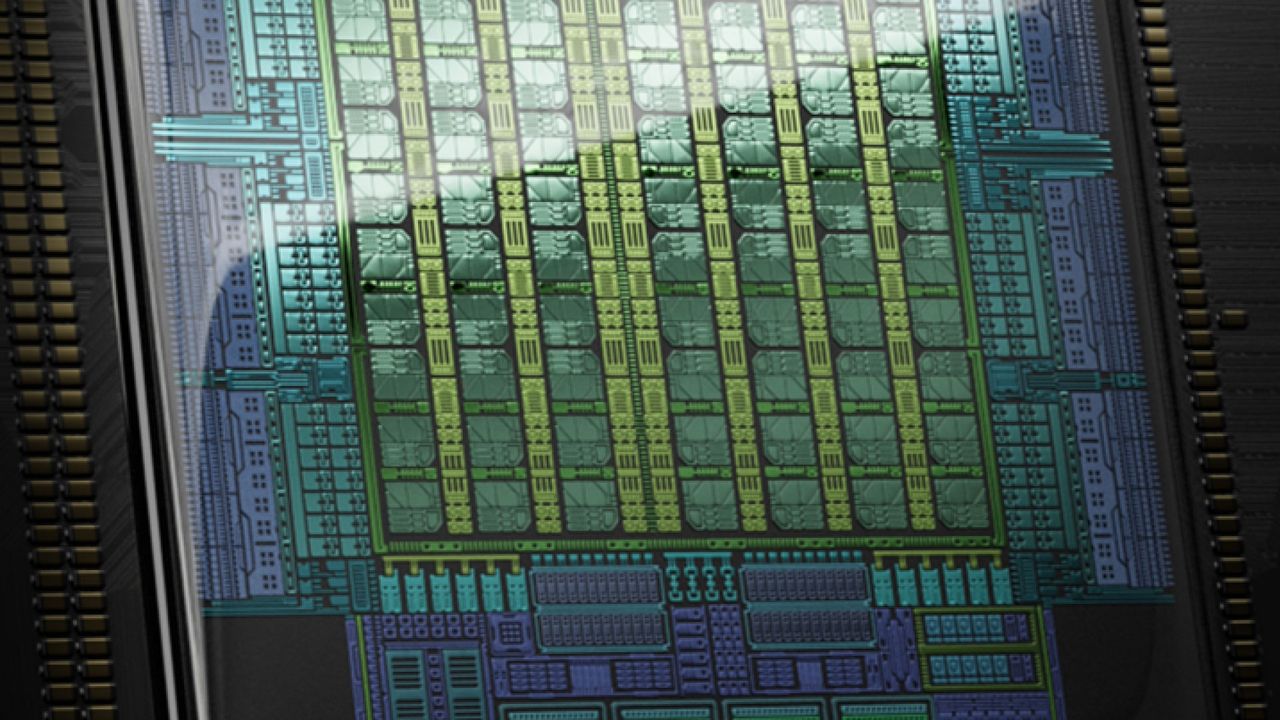
Nvidia Aims for Two-Thirds of x86 Server CPU Market with Vera Processors
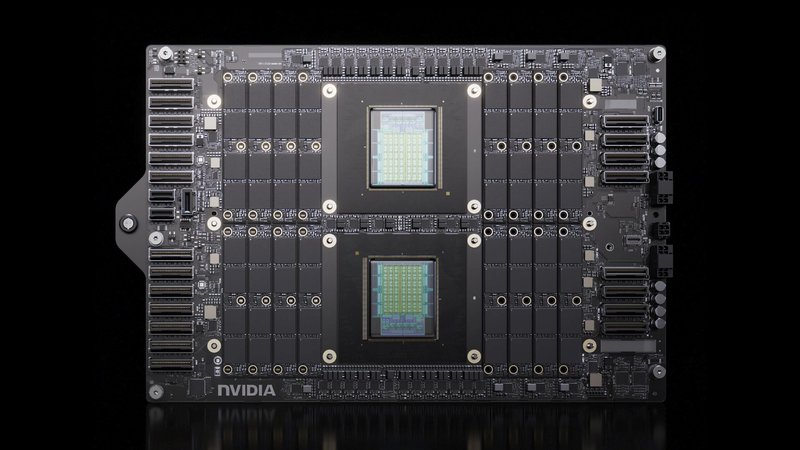
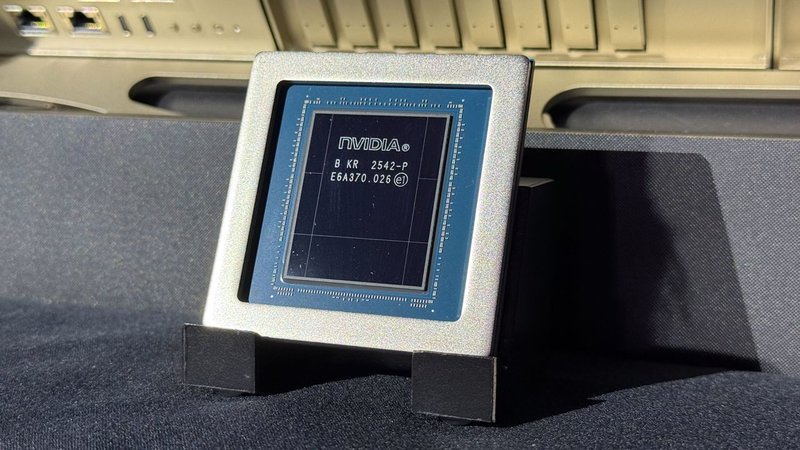
Nvidia, a giant renowned for its leadership in the GPU sector, is preparing for a strategic expansion that could redefine the data center landscape. According to market analyses, the company is projected to capture a significant share of the x86 server CPU market, historically dominated by Intel and AMD. This ambitious move involves the introduction of Vera processors, with the goal of reaching two-thirds of the segment and generating estimated revenues of $20 billion.
Nvidia's entry into the x86 server CPU market represents a direct challenge to established players. Forecasts indicate that the company is already on track to deliver 4 million Vera processor units by fiscal year 2027. This positioning not only diversifies Nvidia's offering but also strengthens its vision of providing comprehensive hardware solutions for the most demanding workloads, particularly those related to artificial intelligence and Large Language Models (LLMs).
Nvidia's Integration Strategy and the Vera Processor
Nvidia's decision to develop its own line of x86 server CPUs, embodied by the Vera processor, fits into a broader trend towards hardware integration. In the context of modern data centers, and especially for AI applications, performance optimization often stems from a close synergy between CPUs and GPUs. An architecture where both CPU and GPU come from the same vendor can potentially offer advantages in terms of latency, throughput, and overall system management.
While specific technical details of the Vera processor have not been widely disclosed, its existence suggests a holistic approach from Nvidia. The company may aim to create complete hardware stacks, where its market-leading GPUs can operate in tandem with CPUs designed to maximize the performance of AI workloads. This could simplify deployment pipelines for enterprises seeking integrated and optimized solutions for on-premise LLM inference and training.
Implications for On-Premise Deployments and TCO
For CTOs, DevOps leads, and infrastructure architects evaluating deployment options, Nvidia's entry into the x86 server CPU market introduces new considerations. The possibility of acquiring server infrastructure almost entirely from a single vendor like Nvidia, with CPUs and GPUs optimized to work together, could influence Total Cost of Ownership (TCO) decisions. Deeper integration might reduce management complexities, optimize energy consumption, and improve overall efficiency for intensive workloads.
In an era where data sovereignty and regulatory compliance are absolute priorities, especially for air-gapped or self-hosted environments, the availability of integrated and high-performing hardware solutions becomes crucial. Companies opting for on-premise deployments to maintain control over their data and operations might find Nvidia's integrated offerings an attractive alternative, balancing performance with security requirements. AI-RADAR offers analytical frameworks on /llm-onpremise to evaluate the trade-offs between self-hosted and cloud solutions, providing useful tools for informed decisions.
Future Prospects and the Competitive Landscape
Nvidia's goal of delivering 4 million Vera processors by fiscal year 2027 and capturing two-thirds of the x86 server CPU market marks a turning point. This scenario will not only intensify competition with giants like Intel and AMD but could also accelerate innovation in the data center processor sector. Traditional players will be pushed to respond with new architectures and strategies to maintain their market share.
Nvidia's success will depend on its ability to offer tangible added value beyond simple integration. Real-world performance, software support, energy efficiency, and price competitiveness will be decisive factors. For businesses, this evolution translates into a broader and potentially more optimized offering for the specific needs of AI workloads, requiring careful evaluation of the available options for their local stacks.






💬 Comments (0)
🔒 Log in or register to comment on articles.
No comments yet. Be the first to comment!