The Return of the RTX 3060 and Market Dynamics
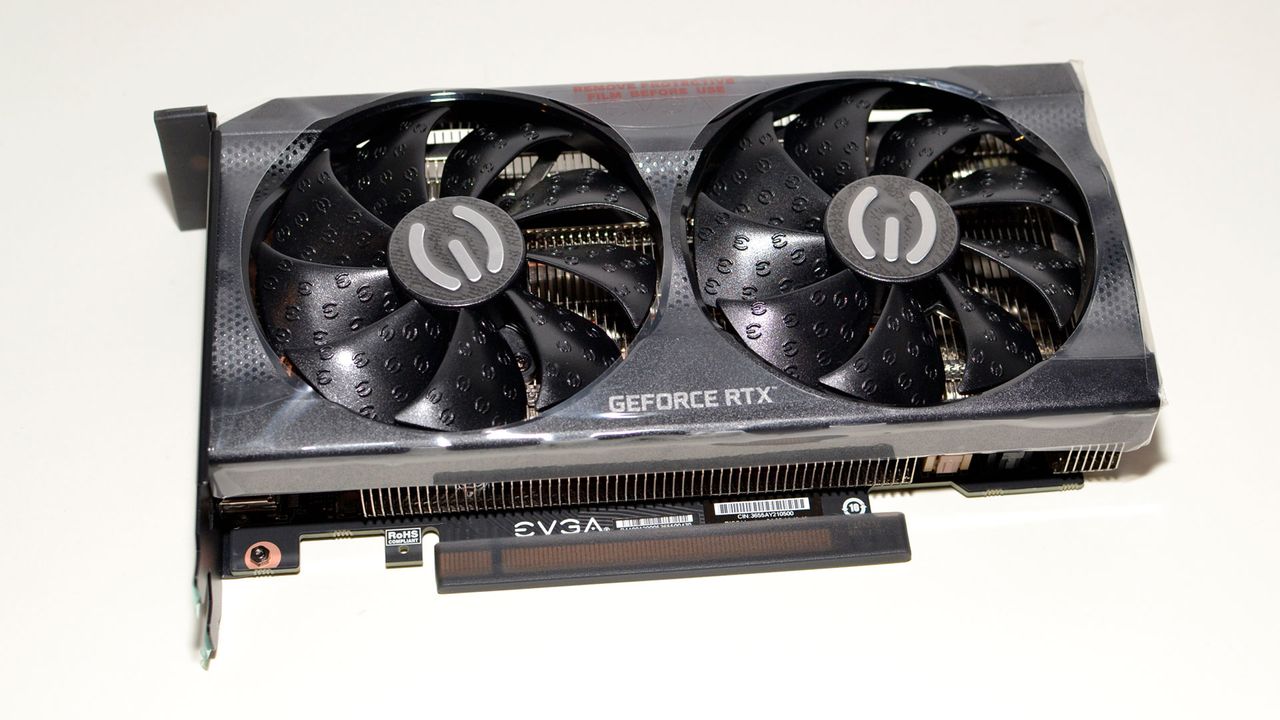
The GPU market, a fundamental pillar for accelerating Large Language Model (LLM) workloads, could witness an unexpected dynamic in 2026. Industry rumors suggest a potential return of the Nvidia GeForce RTX 3060, a graphics card that, while not the latest generation, has demonstrated remarkable versatility. This strategic move, if it materializes, would aim to counter the current rise in GPU prices and persistent memory shortages affecting the sector.
The potential reintroduction of the RTX 3060 comes amidst strong demand for AI acceleration hardware, where the availability and cost of graphics cards are critical factors for investment decisions in on-premise infrastructures. Parallel to these rumors, there is news of the abrupt shelving of the rumored RTX 5050, which was expected to offer 9GB of VRAM. This decision, shrouded in speculation, adds another element of uncertainty to Nvidia's future product strategies and the options available to system architects.
The Impact on VRAM Availability and On-Premise Deployments
VRAM (Video RAM) is a critical resource for running LLMs, directly influencing the size of models that can be loaded and the manageable context window. The RTX 3060, with its 12GB of VRAM, positions itself as an interesting solution for inference scenarios on medium-sized models or for fine-tuning activities on smaller datasets, especially in self-hosted or edge environments. The availability of cards with adequate VRAM at an accessible cost is vital for companies choosing to maintain control over their data and infrastructure, avoiding the operational costs and data sovereignty implications typical of cloud services.
The shelving of a potential RTX 5050 with only 9GB of VRAM, if confirmed, could reflect an awareness of the growing memory requirements for modern AI models. For on-premise deployments, every gigabyte of VRAM matters, and the need for techniques like quantization to fit larger models onto cards with less memory is a daily reality. The choice between consumer-grade GPUs and enterprise solutions like Nvidia's A100 or H100 series involves a careful evaluation of TCO, expected performance, and specific AI workload requirements.
Considerations for LLM Infrastructure
For CTOs, DevOps leads, and infrastructure architects, fluctuations in the GPU market are not just a matter of price, but directly impact the planning and scalability of AI architectures. The availability of hardware like the RTX 3060, even if not designed for the most demanding data centers, can offer a valid option for prototyping, development, or for distributed inference workloads where the cost per unit of VRAM is a key factor. Its reintroduction could mitigate challenges related to procurement and initial costs (CapEx) for those intending to build or expand their on-premise LLM infrastructure.
Managing memory shortages and optimizing hardware resource utilization are central aspects in designing efficient LLM pipelines. The ability to deploy models in air-gapped environments or with stringent compliance requirements largely depends on access to suitable and controllable hardware. Purchasing decisions must balance technical specifications, such as VRAM and throughput, with long-term implications for TCO and operational flexibility.
Future Prospects and Trade-offs for Enterprises
Rumors about the RTX 3060's return and the shelving of the RTX 5050 highlight the volatility and rapid evolution of the AI hardware market. For companies evaluating self-hosted versus cloud alternatives for LLM workloads, these market dynamics are crucial. An increase in the supply of more competitively priced consumer-grade GPUs could reduce the overall TCO of on-premise deployments, making them more attractive compared to cloud-based solutions, especially for those with data sovereignty needs or air-gapped environments.
It is essential for technology decision-makers to maintain a clear view of the trade-offs between cost, performance, and control. While greater availability of consumer-grade GPUs may offer some relief, dedicated enterprise solutions continue to dominate for the most intensive training and inference workloads. AI-RADAR focuses on analyzing these constraints and trade-offs, offering analytical frameworks on /llm-onpremise to support companies in evaluating the best deployment strategies for their Large Language Models, without direct recommendations but with an emphasis on neutrality and concrete facts.




💬 Comments (0)
🔒 Log in or register to comment on articles.
No comments yet. Be the first to comment!