Nvidia RTX 50 Super: Early Rumors for 2026
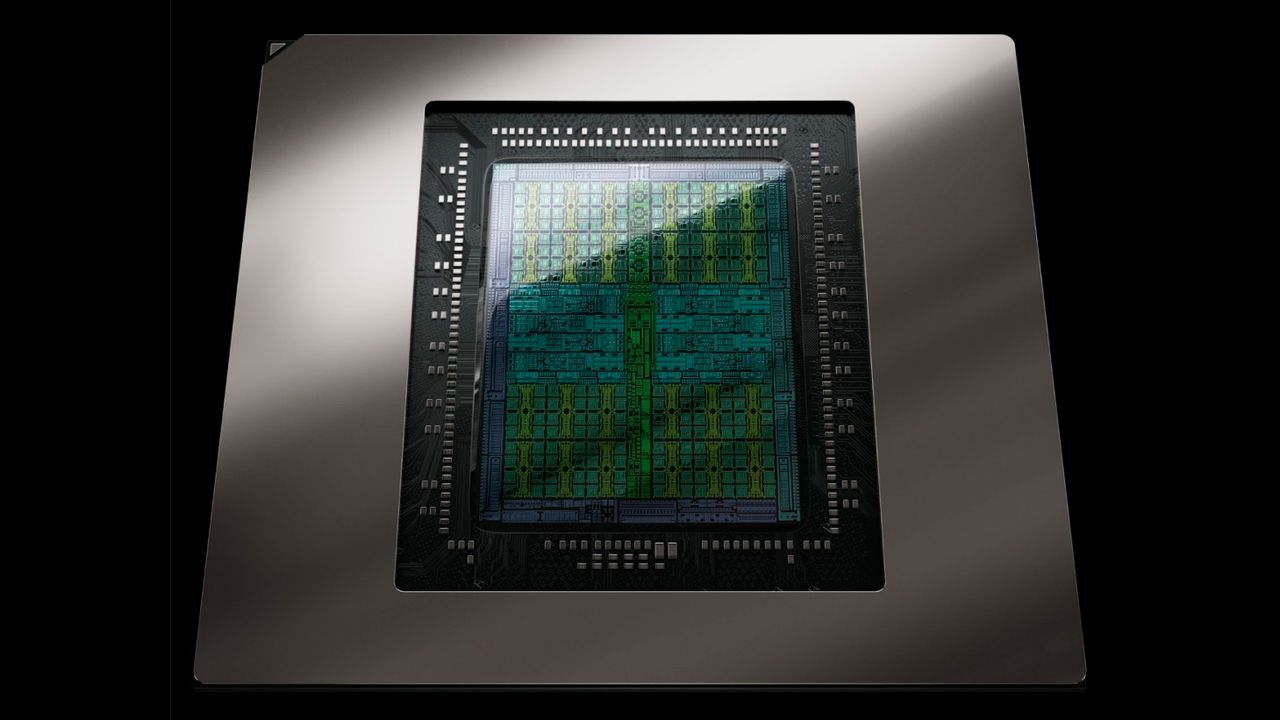
Rumors about the future of Nvidia's consumer graphics cards continue to emerge, offering a preliminary glimpse into potential hardware market developments. According to recent whispers, the silicon giant is reportedly still planning the launch of the highly anticipated RTX 50 Super series for 2026. This information, though not officially confirmed, suggests a strategy aimed at refreshing the product lineup with enhanced variants, following a model successfully adopted in previous generations.
For AI industry professionals and decision-makers evaluating on-premise deployment solutions, the arrival of new GPUs with improved specifications represents a key factor to monitor closely. The evolution of hardware capabilities in the consumer segment can indeed have a significant impact on the feasibility and efficiency of AI workloads executed locally.
Technical Details: The Potential RTX 5060 Super with 12GB VRAM
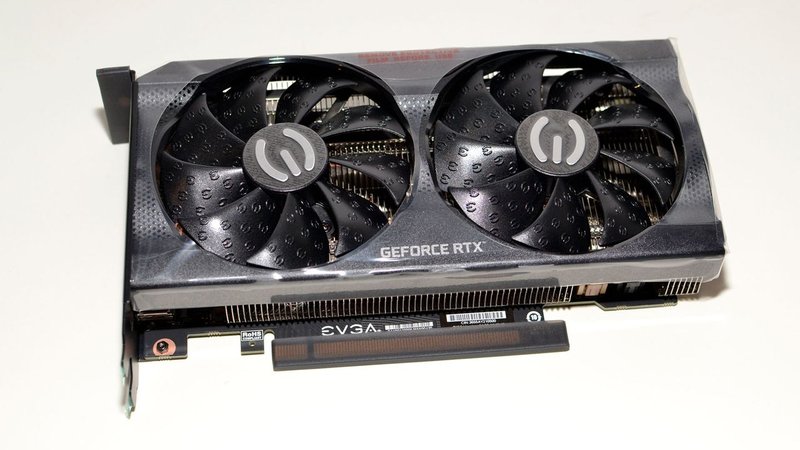
The core of recent speculation concerns the inclusion of a potential "RTX 5060 Super" within the upcoming lineup. The most relevant feature, according to sources, would be its 12GB of VRAM. This detail is particularly significant in the context of Large Language Models (LLM) workloads and generative artificial intelligence.
The amount of VRAM available on a GPU is a critical factor determining the maximum size of LLM models that can be loaded and processed for inference or fine-tuning. With 12GB of VRAM, an RTX 5060 Super could handle considerably sized models, even if quantized, making it an interesting solution for developers and businesses looking to run LLMs locally without resorting to more expensive or complex cloud infrastructures. The ability to run larger models on-premise offers advantages in terms of latency and data sovereignty.
Context and Implications for On-Premise Deployment
The introduction of consumer graphics cards with increased VRAM directly impacts on-premise AI deployment strategies. While high-end GPUs like Nvidia A100 or H100 remain the standard for large-scale model training and high-throughput inference in data centers, the RTX series cards offer a more accessible entry point for specific scenarios. For small and medium-sized businesses, research teams, or air-gapped environments, an RTX 5060 Super with 12GB of VRAM could represent an optimal balance between cost and capability.
It would allow for running medium-sized LLMs, customizing models via fine-tuning, or developing prototypes, while maintaining full control over data and complying with regulatory requirements. The evaluation of the Total Cost of Ownership (TCO) for self-hosted solutions, which includes initial hardware investment and operational costs (power, cooling), becomes even more favorable with the increasing capabilities of consumer GPUs.
Final Outlook
Although information regarding the RTX 50 Super series and the potential RTX 5060 Super with 12GB of VRAM remains in the realm of rumors, it reflects a clear market trend: the constant increase in hardware capabilities, even in the consumer segment. This trend is fundamental for democratizing access to AI and enabling a growing number of on-premise LLM deployments.
For CTOs, DevOps leads, and infrastructure architects, monitoring these evolutions is essential for planning future investments and choosing the most suitable hardware for their data sovereignty, control, and TCO needs. AI-RADAR continues to explore these trade-offs, providing in-depth analysis for those evaluating self-hosted alternatives versus cloud-based solutions for AI/LLM workloads.


💬 Comments (0)
🔒 Log in or register to comment on articles.
No comments yet. Be the first to comment!