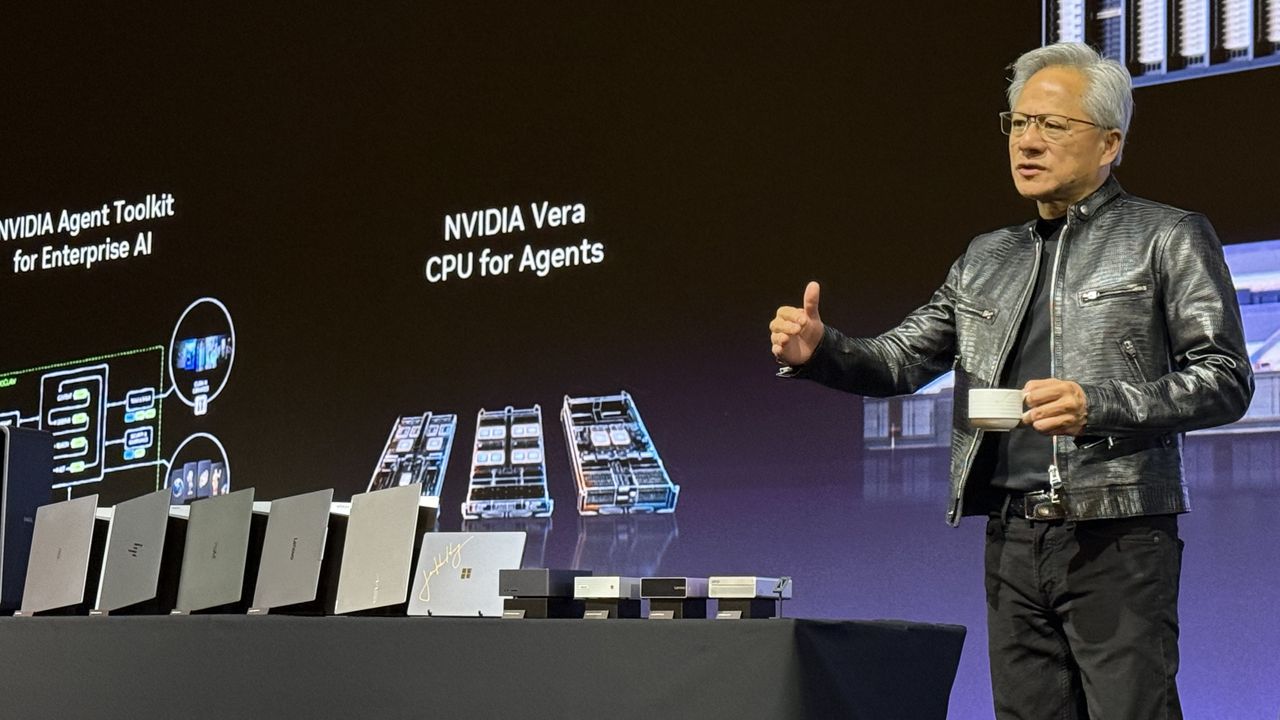
Nvidia and the Vision of an Agentic AI PC with RTX Spark
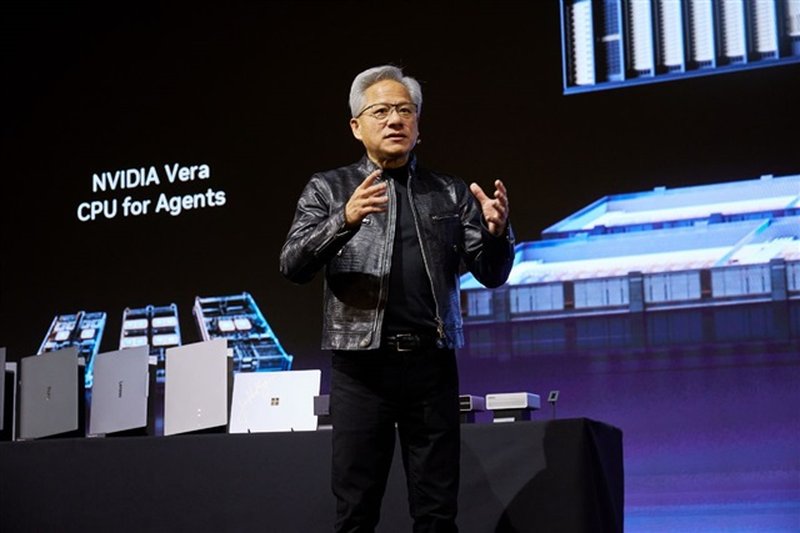
Jensen Huang, CEO of Nvidia, recently outlined an ambitious vision for the future of artificial intelligence, announcing RTX Spark. According to Huang, the goal is to "reinvent the single most important tool of humanity," positioning RTX Spark as an agentic AI PC platform. This statement underscores Nvidia's strategy to extend its influence beyond data centers, bringing AI processing directly to personal devices.
This move marks a significant evolution in the technological landscape, where AI is no longer confined exclusively to the cloud but is spreading towards the edge. The emphasis on an "agentic AI PC platform" suggests a future where computers will not be mere passive tools but intelligent partners capable of understanding context, anticipating user needs, and acting autonomously to perform complex tasks.
RTX Spark: Agentic AI at the Edge
The concept of "agentic AI" is central to the RTX Spark vision. An AI agent is a system capable of perceiving its environment, making decisions, and acting to achieve specific goals, often proactively and autonomously. By integrating these capabilities directly into PCs, Nvidia aims to create a deeply personalized and responsive user experience, reducing reliance on constant cloud connectivity for many AI operations.
This approach has direct implications for data management and latency. Local AI processing allows sensitive data to remain on the device, improving data sovereignty and compliance, which are crucial aspects for many businesses and users. Furthermore, running AI models directly on PC hardware can drastically reduce latency, offering near-instant responses and improving the overall efficiency of applications.
Implications for Local Deployment and Data Sovereignty
While RTX Spark is aimed at the consumer PC market, its philosophy of bringing AI to the edge strongly resonates with the needs of enterprises evaluating on-premise or hybrid deployments. The ability to run AI workloads, including Large Language Models (LLM) or vision models, directly on local hardware offers significant advantages in terms of control, security, and TCO for specific scenarios.
For organizations operating in regulated sectors or handling highly sensitive data, the capability to process AI in air-gapped or self-hosted environments is fundamental. Nvidia's approach with RTX Spark, despite being at a PC scale, highlights the feasibility and benefits of a distributed architecture for AI, where inference can occur closer to the data source. This reduces transfer costs, minimizes privacy risks, and ensures greater operational resilience.
Future Prospects and Nvidia's Strategic Role
Jensen Huang's statement is not just a technological vision but also a strategic move. The fact that Nvidia enjoys the support of "literally every computer maker in the world" for its AI PC platform underscores its dominant position in the AI hardware ecosystem. This broad consensus facilitates the adoption and integration of RTX Spark, accelerating the transition towards a new computing paradigm.
Nvidia thus positions itself not only as a silicon provider for AI but as the architect of an entire platform that will redefine interaction with computers. For companies planning their AI deployment strategies, the evolution of platforms like RTX Spark suggests a growing importance of local hardware and edge solutions for AI processing, offering concrete alternatives to exclusively cloud-based models.






💬 Comments (0)
🔒 Log in or register to comment on articles.
No comments yet. Be the first to comment!