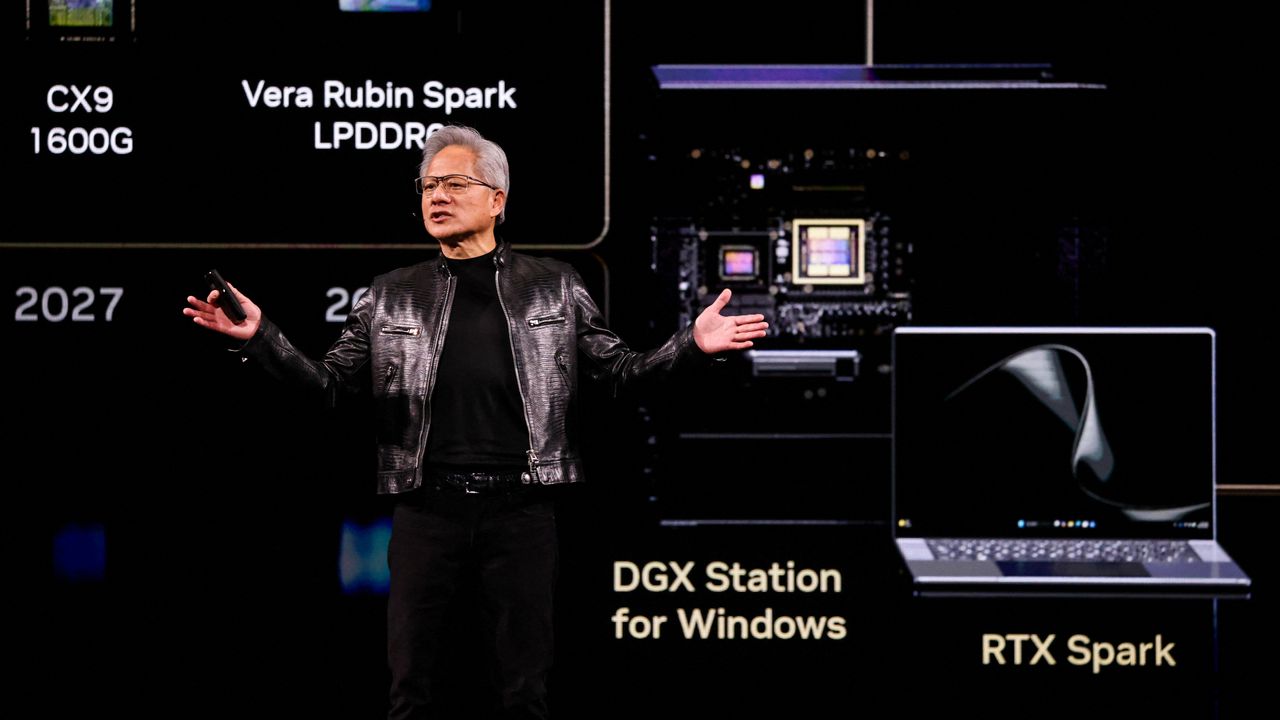
Nvidia RTX Spark: Ambition to Redefine AI on Arm After Qualcomm
Introduction: Nvidia's New Horizon on Arm Architecture
Nvidia, a dominant player in the GPU and AI acceleration landscape, is exploring new frontiers with its "RTX Spark" project. This initiative emerges within a dynamic market context, marked by the recent expiration of Qualcomm's exclusive agreement with Microsoft for the development of "Windows on Arm" systems. Nvidia's move suggests a clear intention to capitalize on a segment where previous Arm-based solutions have faced significant challenges.
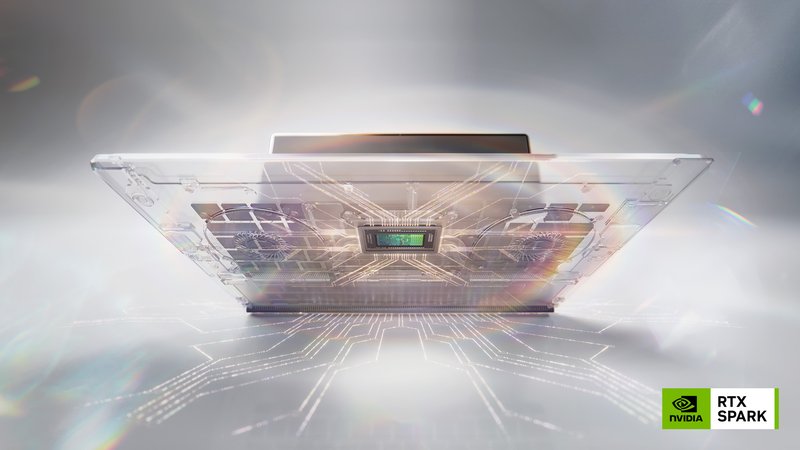
The name "RTX Spark" immediately evokes the graphics rendering and AI acceleration capabilities that characterize Nvidia's RTX graphics cards. Integrating these functionalities into an Arm ecosystem could open up unprecedented scenarios for processing AI workloads, both at the client device level and in edge computing or low-power on-premise deployment contexts.
Technical Context: Arm, Windows, and AI
The Arm architecture has long been valued for its energy efficiency and ability to operate in compact form factors, making it ideal for mobile devices and embedded systems. However, its adoption on desktop platforms, particularly with Windows, has presented obstacles related to software compatibility and performance, especially in areas requiring high computing power. The expiration of Qualcomm's agreement now opens the door for other silicon industry players to propose their solutions.
Nvidia, with its deep expertise in GPU development and AI software stacks (such as CUDA), could bring significant added value. An Arm chip with integrated RTX capabilities could offer an interesting alternative for Large Language Model (LLM) inference and other AI workloads, balancing energy efficiency and performance. This is particularly relevant for scenarios where data sovereignty and direct hardware control are priorities, such as in air-gapped or self-hosted deployments.
Implications for On-Premise and Edge Deployments
For CTOs, DevOps leads, and infrastructure architects, the emergence of Arm-based solutions with integrated AI acceleration from Nvidia could represent a strategic option. On-premise and edge deployments would benefit from more energy-efficient hardware with smaller footprints, without sacrificing AI processing capabilities. This could translate into a more favorable Total Cost of Ownership (TCO) for certain applications, reducing operational costs related to power consumption and cooling.
The ability to run LLMs and other AI models directly on Arm-based local devices or servers, with Nvidia acceleration, would strengthen companies' ability to keep data within their own perimeter, ensuring greater compliance and security. This approach contrasts with cloud-centric models, offering greater control and reducing dependence on external infrastructure. For those evaluating on-premise deployments, AI-RADAR offers analytical frameworks on /llm-onpremise to assess trade-offs between performance, TCO, and data sovereignty.
Future Prospects and Trade-offs
Nvidia's entry into the Arm segment for Windows, with a focus on AI, could stimulate greater innovation and competition. While the specific details of "RTX Spark" are yet to be defined, the initiative highlights a clear strategic direction. Companies will need to carefully evaluate the trade-offs between different architectures (Arm vs. x86), considering factors such as software compatibility, driver and toolchain availability, and the specific performance and power consumption requirements of their AI workloads.
Nvidia's ability to effectively integrate its AI technologies with the efficiency of the Arm architecture will be crucial for the success of "RTX Spark." This development could not only redefine the Arm-based PC market but also offer new opportunities for implementing distributed and locally controlled AI solutions, an increasingly critical aspect for modern infrastructure strategies.





💬 Comments (0)
🔒 Log in or register to comment on articles.
No comments yet. Be the first to comment!