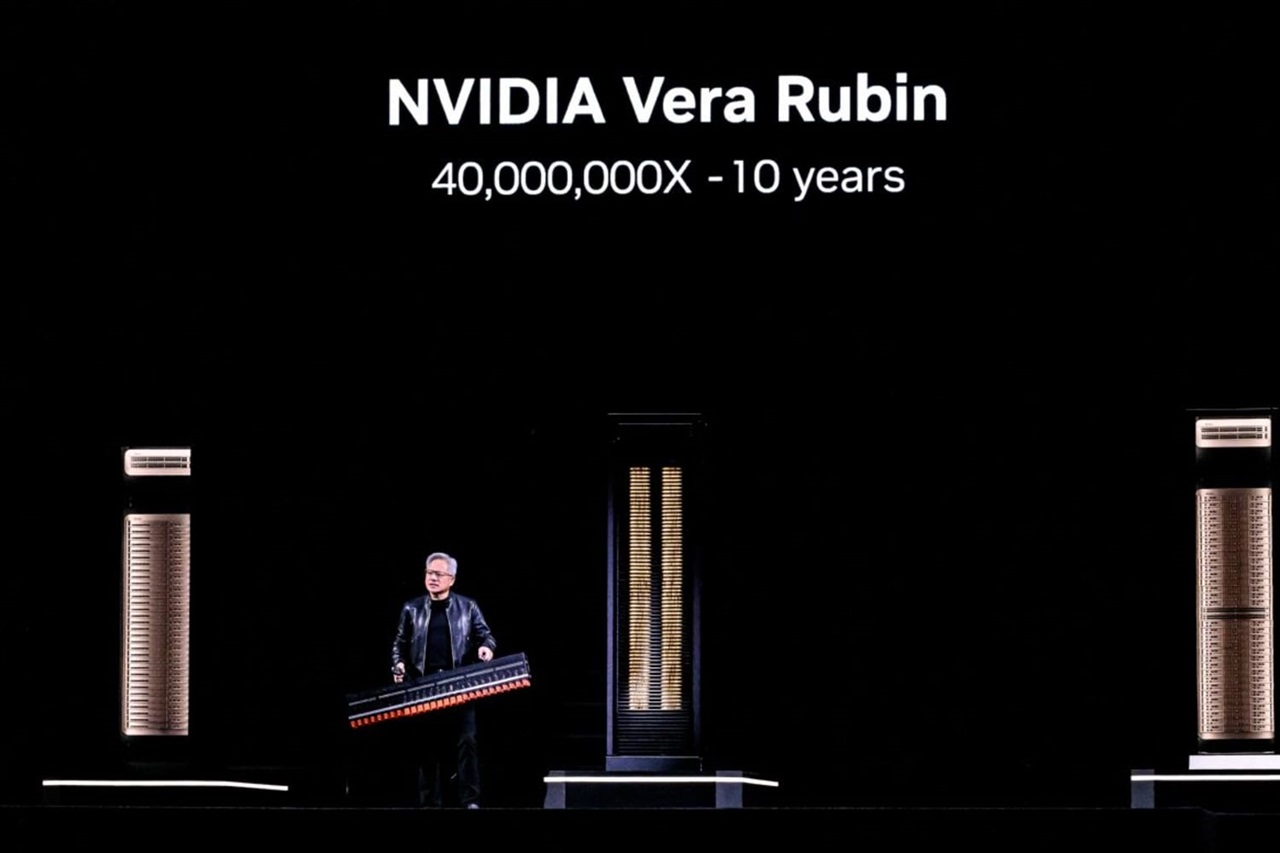
The Rise of Nvidia Rubin and LPDDR Demand
A market analysis by DIGITIMES predicts that Nvidia's upcoming Rubin platform, set to succeed the Blackwell architecture, will significantly impact the memory market. By 2027, it is estimated that the demand for LPDDR (Low Power Double Data Rate) memory generated by the Rubin platform will surpass the combined demand from consumer electronics giants like Apple and Samsung. This forecast underscores the accelerating demand for AI-dedicated hardware and its profound implications for the entire technological supply chain.
The Rubin platform, while still shrouded in mystery regarding detailed specifications, is eagerly anticipated by industry players. Its capacity to so markedly influence the LPDDR memory market suggests an architecture designed for intensive AI workloads, potentially with a focus on energy efficiency or specific form factors that benefit from this type of memory.
The Strategic Role of LPDDR Memory in AI
LPDDR memory is traditionally associated with mobile devices and embedded systems, where power efficiency and density are priorities. Its adoption in high-performance computing platforms like Rubin, though not yet confirmed in detail, would represent an interesting evolution. Unlike HBM (High Bandwidth Memory), which offers extremely high bandwidth and is prevalent in high-end data center GPUs, LPDDR stands out for its reduced power consumption and a potentially more competitive cost per bit in certain scenarios.
This architectural choice could indicate an Nvidia strategy aimed at optimizing the TCO (Total Cost of Ownership) for specific AI workloads, such as large-scale Large Language Models (LLM) inference or edge computing. For on-premise deployments, memory selection is a critical factor impacting not only performance but also power and cooling requirements, which are fundamental elements for the sustainability and operational efficiency of a data center.
Market Implications and On-Premise Deployments
The forecast that Nvidia Rubin will become a primary driver of LPDDR demand by 2027 has vast implications. Such a significant increase in demand from a single player in the AI sector could alter the balance of the global supply chain, affecting the availability and pricing of LPDDR memory across all industries. This scenario requires attention from CTOs, DevOps leads, and infrastructure architects planning investments in self-hosted LLM hardware.
For those evaluating on-premise deployments, component cost volatility and the availability of desired hardware specifications are crucial factors. The choice between different memory types, such as LPDDR or HBM, involves complex trade-offs between performance, power consumption, and initial cost. Understanding these market dynamics is essential for formulating procurement and deployment strategies that ensure data sovereignty and long-term cost control. AI-RADAR offers analytical frameworks on /llm-onpremise to evaluate these trade-offs in an informed manner.
Future Outlook and Technological Trade-offs
2027 is shaping up to be a watershed year for the memory market, with AI solidifying its position as a primary driver of innovation and demand. The Nvidia Rubin platform, with its potential impact on LPDDR, is a striking example of how architectural decisions at the chip level can reverberate throughout the entire industry. Companies will need to continue navigating a rapidly evolving technological landscape, balancing the need for high performance with budget constraints, power consumption, and sustainability.
The choice of the most suitable memory technology for AI workloads is never straightforward; it depends on a careful analysis of specific requirements, desired TCO, and strategic priorities. Whether it's maximizing bandwidth with HBM or optimizing efficiency with LPDDR, a deep understanding of the trade-offs is fundamental for making informed decisions and building resilient, high-performing AI infrastructures.






💬 Comments (0)
🔒 Log in or register to comment on articles.
No comments yet. Be the first to comment!