Nvidia Denies Rumors of Acquiring a Major PC Manufacturer
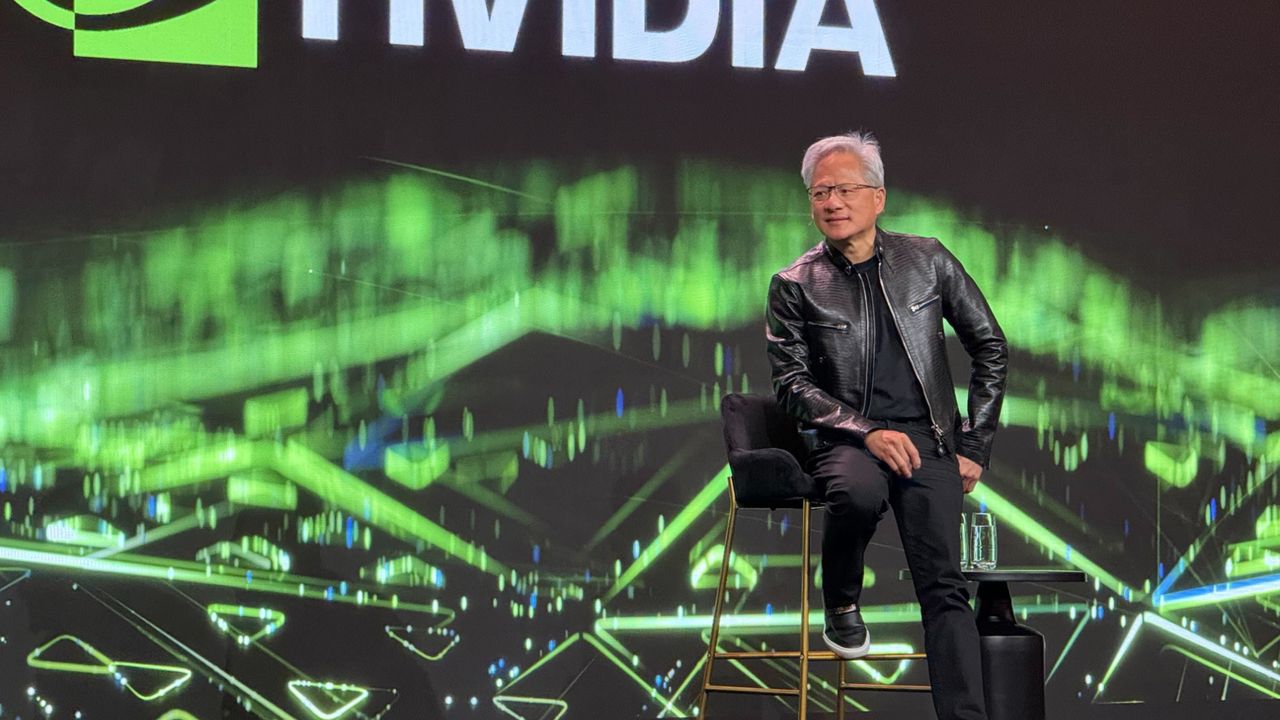
Nvidia has officially refuted recent speculations suggesting its interest in acquiring a major personal computer manufacturer. The statement, attributed to CEO Jensen Huang, aims to dispel market uncertainties.
"Nvidia is not engaged in discussions to acquire any PC maker," the company stated, clarifying its position. This distancing from circulating rumors underscores Nvidia's intent to maintain focus on its core strategic areas, without diverting into market segments that might appear distant from its primary business.
Market Context and Corporate Strategies
The technology sector is often a stage for speculation regarding potential mergers and acquisitions, especially when dominant players like Nvidia are in the spotlight. The company is globally recognized as an undisputed leader in GPU production, components that are fundamental not only for gaming but, more importantly, for accelerating complex workloads related to artificial intelligence, including Large Language Models (LLM).
In an era where vertical integration and supply chain control are considered competitive advantages, the hypothesis of Nvidia acquiring a PC manufacturer might have seemed, at first glance, a strategic move to extend its ecosystem. However, Nvidia's history is characterized by an emphasis on foundational technology, specialized silicio, and the development of software platforms like CUDA, which enable innovation in computationally intensive sectors.
Implications for the Hardware Sector and On-Premise Deployments
For companies evaluating on-premise LLM deployments, the stability and predictability of the hardware market are crucial factors. A potential acquisition of such magnitude by a key player like Nvidia could have redefined competitive balances, influencing component availability, pricing strategies, and long-term innovation for server and workstation builders.
Clarity on Nvidia's strategy is therefore relevant for CTOs, DevOps leads, and infrastructure architects. These professionals rely on a diversified ecosystem of suppliers to build robust local stacks, ensuring data sovereignty, control, and optimized TCO. Nvidia's decision not to pursue the acquisition suggests a maintenance of the current market structure, where the company continues to focus on offering high-performance computing solutions, leaving the production of complete systems to other players.
Future Outlook and Nvidia's AI Focus
The denial reinforces the idea that Nvidia intends to continue its growth trajectory by focusing on sectors where it holds consolidated technological leadership: artificial intelligence, data centers, autonomous systems, and professional visualization. This approach is fundamental for the evolution of LLM capabilities and the development of new AI applications, as it constantly pushes the boundaries of the underlying computing infrastructure.
Jensen Huang's message reassures the market about the company's strategic consistency, as it continues to invest heavily in research and development of advanced GPU architectures and optimized software stacks. For enterprises planning long-term investments in AI infrastructure, this strategic clarity is an important element for evaluating their technology adoption paths, both in self-hosted and hybrid environments.




💬 Comments (0)
🔒 Log in or register to comment on articles.
No comments yet. Be the first to comment!