
Nvidia RTX Spark: "Agentic" AI Arrives on PCs and Laptops
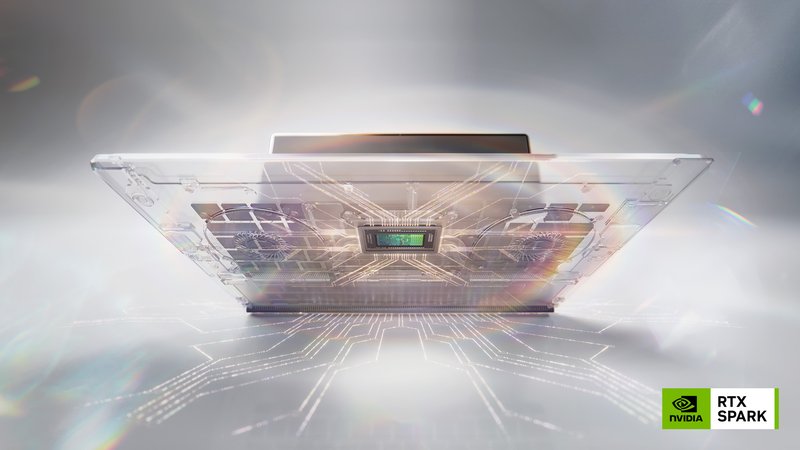
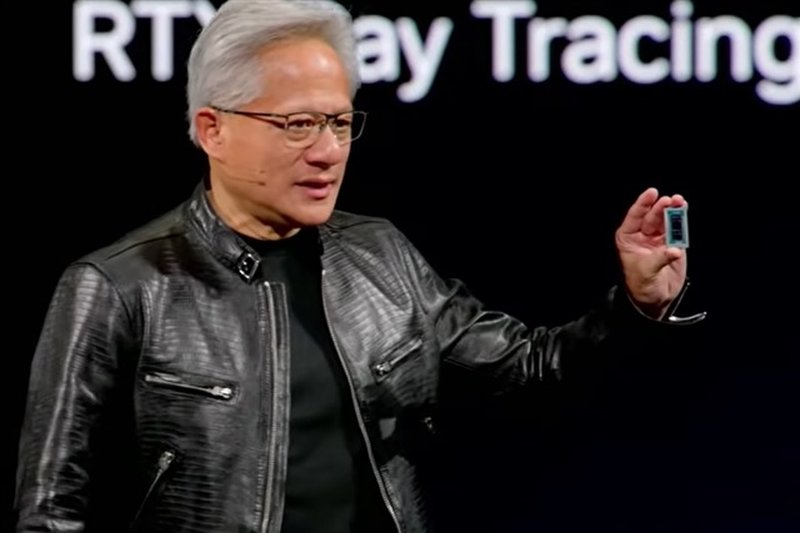
During Computex 2026, Nvidia unveiled a significant innovation for the landscape of artificial intelligence on client devices: the RTX Spark Superchip. This new platform is designed to equip both laptops and desktop PCs, with the ambitious goal of transforming the Windows operating system into a true "agentic AI OS." The announcement underscores Nvidia's vision to bring advanced AI capabilities directly to the end-user, enabling intelligent and responsive processing at a local level.
The RTX Spark Superchip represents a step forward in hardware integration for on-device AI. This strategic move by Nvidia highlights a growing trend in the tech industry: shifting an increasing portion of AI workloads from the cloud to the edge, offering users and businesses more direct control and optimized performance for specific applications. The emphasis on an "agentic AI OS" suggests a future where AI will not just be an application, but an intrinsic and proactive component of the user experience.
Architecture and Capabilities: Arm, Blackwell, and Unified Memory
The core of the RTX Spark Superchip is a powerful combination of an Arm CPU and a GPU based on Nvidia's Blackwell architecture. This synergy between the central processor and the graphics processing unit is fundamental for handling the complex workloads required by an AI operating system. The choice of an Arm CPU, known for its energy efficiency, combined with the computing power of Blackwell GPUs, positions RTX Spark as a versatile solution for a wide range of AI applications, from natural language processing to computer vision.
A distinctive and crucial element of this platform is the presence of 128GB of unified memory. This memory architecture allows the CPU and GPU to access the same data pool without the need for time- and resource-intensive transfers between separate memories (such as system RAM and dedicated VRAM). For Large Language Models (LLM) and other large AI models, 128GB of unified memory represents significant capacity, enabling the loading and management of models that would otherwise require cloud resources or more complex server hardware. This translates into reduced latency and improved throughput for AI inference directly on the device, a critical factor for applications requiring real-time responses.
Implications for On-Premise AI and Data Sovereignty
The introduction of platforms like RTX Spark has profound implications for AI deployment strategies, particularly for those evaluating on-premise or edge solutions. The ability to run complex LLMs and other AI models directly on laptops and desktop PCs reduces reliance on cloud services for inference, offering significant advantages in terms of data sovereignty and compliance. Companies handling sensitive information or operating in regulated sectors can greatly benefit from the ability to process data locally, keeping it within their control perimeter and adhering to regulations like GDPR.
Furthermore, on-device AI processing can contribute to creating more effective air-gapped environments, where external connectivity is limited or absent, ensuring a higher level of security and privacy. While the TCO for client hardware may represent an initial investment, the reduction in operational costs associated with continuous use of cloud resources for inference can lead to long-term savings. For those evaluating on-premise deployments, AI-RADAR offers analytical frameworks on /llm-onpremise to assess the trade-offs between costs, performance, and security requirements, and the emergence of chips like RTX Spark adds a new layer of consideration for distributed AI architecture.
Future Prospects for Businesses and Developers
Nvidia's vision of an "agentic AI OS" powered by RTX Spark opens new frontiers for developers and businesses. It could enable a new generation of AI applications that operate more autonomously and contextually, improving productivity and user experience without the constant need to connect to remote servers. Imagine personal AI assistants that understand and act based on local context, or data analysis tools that process sensitive information directly on the user's device, ensuring privacy and speed.
For organizations, integrating such capabilities into their endpoints can mean greater operational resilience and the ability to innovate with AI in scenarios previously limited by cloud latency or costs. However, it will also require careful infrastructure planning and device management to best leverage these new capabilities. Nvidia's RTX Spark is not just a new chip; it is a catalyst for a future where artificial intelligence will be pervasive and deeply integrated into the daily computing experience, redefining the boundary between local and cloud processing.





💬 Comments (0)
🔒 Log in or register to comment on articles.
No comments yet. Be the first to comment!