NVIDIA Vera: Anthropic, OpenAI, and Others Among First to Adopt New Processor
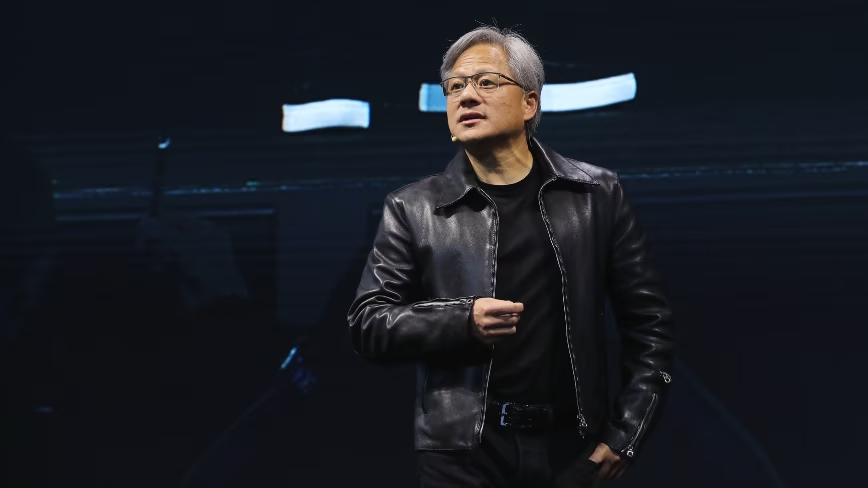
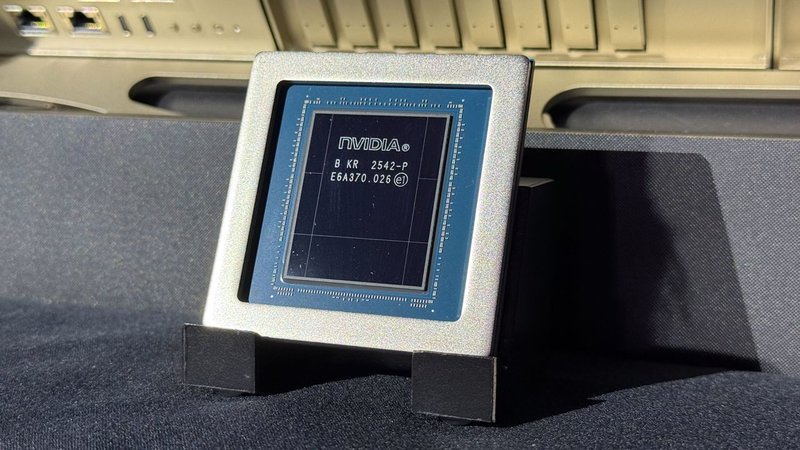
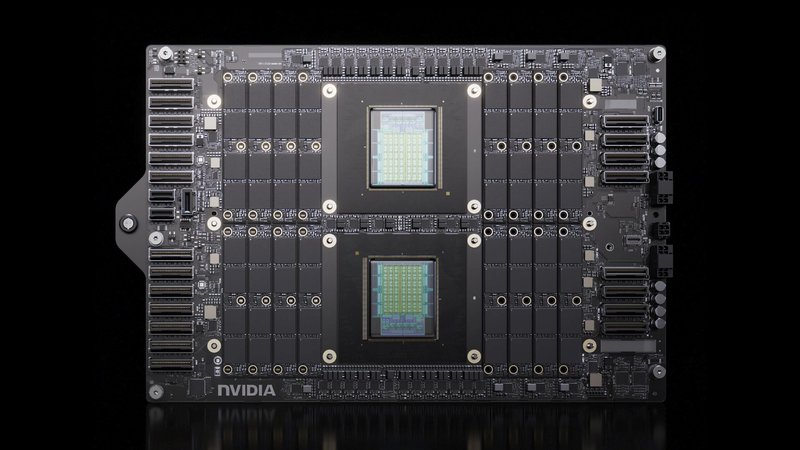
During his keynote at Computex in Taipei, Jensen Huang, CEO of NVIDIA, unveiled a significant development for the artificial intelligence landscape. The company, known for building its empire on GPUs, announced the introduction of "Vera," a new in-house processor. The most relevant aspect of this announcement lies in the list of its first major users: Anthropic, OpenAI, SpaceX, and Oracle are among the entities already employing this new computing solution.
This strategic move by NVIDIA underscores a growing trend in the technology sector, where hardware and software giants seek to optimize the entire AI development and deployment pipeline. Vera's adoption by key players like Anthropic and OpenAI, leaders in Large Language Models (LLM) development, suggests a potential significant impact on AI computing architectures, both in cloud and on-premise environments.
The Technological Context of "In-House" Processors
The development of "in-house" processors like Vera by a company such as NVIDIA is not an isolated phenomenon but reflects a broader market strategy. Many large technology companies are investing in proprietary silicon design to gain more granular control over performance, energy efficiency, and long-term costs. These chips are often optimized for specific workloads, such as AI inference or model training, offering advantages that general-purpose solutions cannot always match.
The goal is to maximize throughput and minimize latency, crucial aspects for executing complex LLMs. Although the source does not provide specific technical details about Vera, such as VRAM, compute capability, or internal architecture, its nature as an "in-house" processor suggests deep integration with NVIDIA's software ecosystem, potentially offering an optimized experience for developers and AI infrastructure operators.
Implications for AI Deployments and TCO
Vera's adoption by companies with extreme computing needs, such as those developing and managing large-scale LLMs, has direct implications for AI deployment strategies. For organizations evaluating self-hosted or air-gapped solutions, the emergence of new optimized processors can alter the Total Cost of Ownership (TCO) equation. More efficient hardware can reduce operational costs related to energy and cooling, in addition to improving performance per dollar invested.
The choice of Anthropic and OpenAI to use Vera, despite being players with a strong cloud presence, highlights the search for hardware solutions that can offer competitive advantages in terms of performance and control. For CTOs and infrastructure architects, the availability of specialized processors like Vera could be a key factor in deciding between an on-premise deployment, which ensures greater data sovereignty and compliance, and exclusive reliance on cloud services. AI-RADAR offers analytical frameworks on /llm-onpremise to evaluate these complex trade-offs.
Future Prospects in the AI Silicon Market
The market for artificial intelligence chips is rapidly evolving and highly competitive. NVIDIA's entry with an "in-house" processor like Vera further intensifies this dynamic, joining the efforts of other tech giants developing their own processing units, such as Google's TPUs or AWS's solutions. This competition drives innovation, leading to increasingly powerful and efficient silicon.
Vera's success will depend not only on its intrinsic hardware capabilities but also on its ease of integration with existing AI development frameworks and the availability of a robust support ecosystem. It will be crucial to observe how NVIDIA positions Vera relative to its renowned GPUs and what specific use cases this new processor can offer maximum value for. The announcement marks a significant step in the evolution of AI infrastructures, promising new opportunities to optimize the most demanding workloads.








💬 Comments (0)
🔒 Log in or register to comment on articles.
No comments yet. Be the first to comment!