Nvidia Enters the Data Center CPU Market
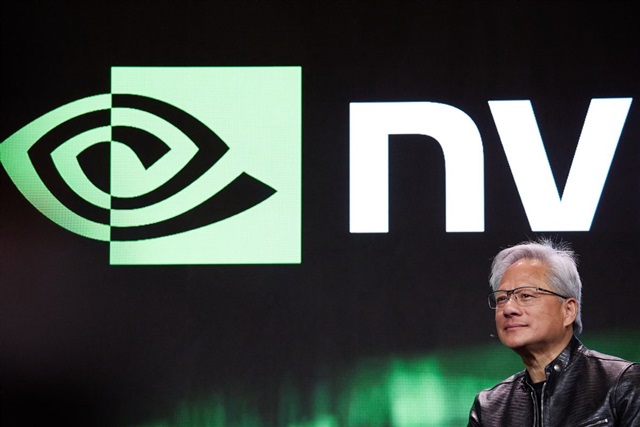
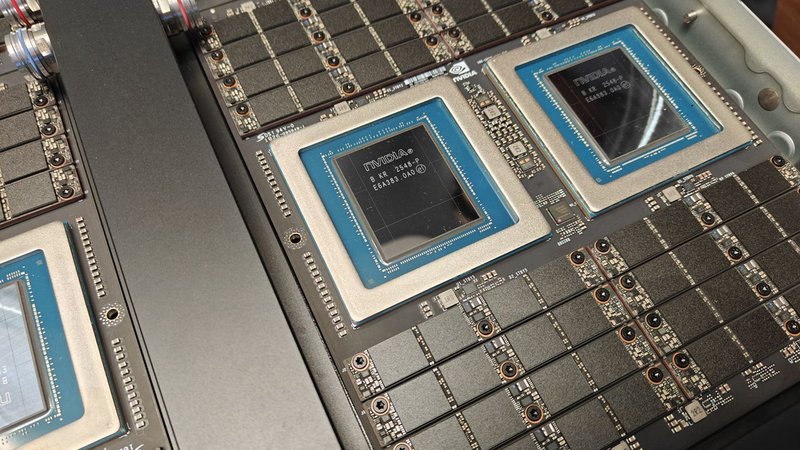
Nvidia, a company historically dominant in the GPU sector, is expanding its influence in the data center landscape with the introduction of its Vera CPU. This move, as reported by DIGITIMES, marks the opening of a new front in the competition for data center chips, a sector traditionally held by other players. Nvidia's entry with its own CPU indicates a strategy aimed at offering more integrated and optimized solutions for modern workloads.
The decision to develop a proprietary CPU reflects the growing need for synergy between central processing units and graphics processing units. In an era dominated by artificial intelligence and Large Language Models (LLMs), the efficiency and speed of communication between CPU and GPU are critical factors for the overall performance of systems. The goal is likely to create a more cohesive hardware stack, capable of maximizing throughput and reducing latencies for demanding applications.
Market Context and Technical Implications
The data center chip market is characterized by fierce competition, with giants like Intel and AMD holding significant shares. Nvidia's entry with Vera is not just a product expansion but a strategic statement aimed at capturing a slice of this crucial market. For AI workloads, Nvidia's GPUs are already a de facto standard, but the CPU plays a fundamental role in data management, operation orchestration, and pre-processing, aspects that directly influence the efficiency of LLM inference and training.
An architecture that tightly integrates CPU and GPU can bring significant advantages in terms of memory bandwidth and interconnectivity. This is particularly relevant for LLM deployments, where the movement of large volumes of data and the need for rapid access to model parameters can represent a bottleneck. Optimization at the silicon and system level can therefore translate into a lower TCO and superior performance for companies managing complex AI infrastructures.
Vera and On-Premise Deployments
The introduction of an Nvidia CPU like Vera has direct implications for organizations considering or managing on-premise deployments. The possibility of adopting a hardware stack almost entirely supplied by a single vendor, optimized to work in tandem, can simplify infrastructure design and management. For companies prioritizing data sovereignty, regulatory compliance, or operating in air-gapped environments, having integrated and high-performing hardware solutions is a key factor.
Self-hosted deployments require careful evaluation of the Total Cost of Ownership (TCO), which includes not only the initial hardware cost but also energy efficiency, cooling, and management complexity. A CPU designed to complement Nvidia GPUs could offer a more efficient path to building private AI clusters, reducing friction between components from different vendors. For those evaluating on-premise deployments, analytical frameworks are available at /llm-onpremise that can help assess these trade-offs in detail.
Future Prospects and Strategic Considerations
Nvidia's entry into the data center CPU segment with Vera represents a significant evolution in the technological landscape. This move not only intensifies competition but also drives innovation towards increasingly integrated and specialized hardware solutions. For CTOs, DevOps leads, and infrastructure architects, the emergence of new hardware options like Vera means having more specific tools available to address the challenges of AI workloads.
Choosing the right hardware for LLM inference and training is a strategic decision that balances performance, cost, and operational requirements. Nvidia's offering of a proprietary CPU could accelerate the development of even more optimized software and hardware ecosystems, providing enterprises with greater opportunities to build resilient and scalable AI infrastructures, both in self-hosted and hybrid environments. The race for innovation in data center silicon is far from over, and Nvidia with Vera is positioning itself as an increasingly central player.





💬 Comments (0)
🔒 Log in or register to comment on articles.
No comments yet. Be the first to comment!