Nvidia "Vera": A Strategic Shift in the AI Hardware Landscape
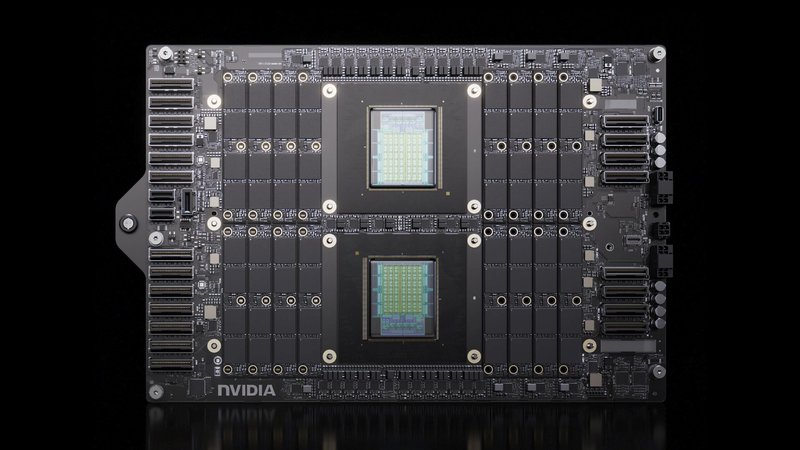
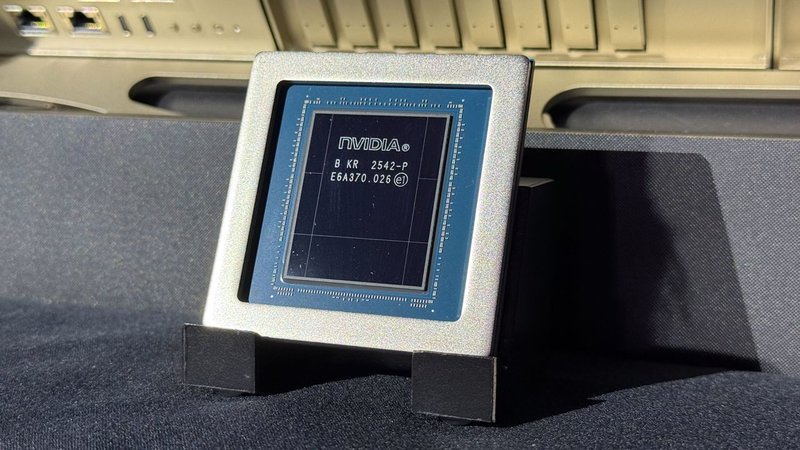
Nvidia, a dominant player in the GPU sector for artificial intelligence, is taking a significant step in its hardware integration journey with the development of a proprietary CPU named "Vera." This initiative marks a strategic shift, indicating the company's intent to reduce reliance on external CPU vendors and to build its own central processing power.
Nvidia's move reflects a broader trend in the tech industry, where companies seek to optimize the entire hardware and software stack for specific workloads. For AI, particularly for Large Language Models (LLMs), the efficiency and speed of communication between the CPU and GPU are critical factors that can directly impact training and inference performance.
The Importance of CPU-GPU Integration for AI Workloads
Traditionally, AI systems rely on a combination of general-purpose CPUs (often x86 architectures) and specialized GPUs. However, this architecture can introduce bottlenecks, particularly in transferring large volumes of data between CPU memory and GPU VRAM. The latency and limited throughput of these connections can significantly slow down the execution of intensive workloads, such as training LLMs with billions of parameters or performing inference on large batches.
The development of a proprietary CPU like "Vera" allows Nvidia to design an architecture that more tightly integrates the CPU with its own GPUs, potentially through high-bandwidth interconnects like NVLink. This approach aims to minimize data transfers and latency, creating a more cohesive and optimized platform for AI. A precedent in this direction is Nvidia's Grace CPU, designed to work in tandem with Hopper GPUs, demonstrating the value of vertical integration for maximizing performance in high-performance computing environments.
Implications for On-Premise Deployments and Data Sovereignty
For organizations evaluating on-premise deployments of LLMs and other AI applications, the introduction of an Nvidia CPU like "Vera" can have significant implications. A more integrated and optimized hardware architecture can translate into greater performance predictability and potentially a more favorable TCO (Total Cost of Ownership) in the long run, by reducing the complexity of optimizing components from different vendors.
Furthermore, the ability to have a more controlled and unified hardware stack can be crucial for companies with stringent data sovereignty requirements, regulatory compliance (such as GDPR), or the need to operate in air-gapped environments. The choice of specialized, integrated hardware offers greater control over the entire infrastructure, a key factor for decision-makers prioritizing security and autonomous management of their AI workloads. For those evaluating on-premise deployments, AI-RADAR offers analytical frameworks on /llm-onpremise to assess these trade-offs.
Future Prospects and Trade-offs in the AI Market
Nvidia's move with "Vera" intensifies competition in the AI silicio market, pushing other players to consider similar vertical integration strategies. This scenario offers companies implementing AI solutions the opportunity to choose from increasingly optimized platforms, but also introduces the trade-off between adopting integrated ecosystems and the flexibility offered by more open and modular architectures.
The decision to invest in a proprietary CPU underscores Nvidia's vision to provide complete, high-performance solutions, from chip to software. Companies will need to carefully weigh the performance and TCO benefits against potential vendor lock-in constraints, balancing the need for computing power with the freedom of choice and adaptability of their AI infrastructure.






💬 Comments (0)
🔒 Log in or register to comment on articles.
No comments yet. Be the first to comment!