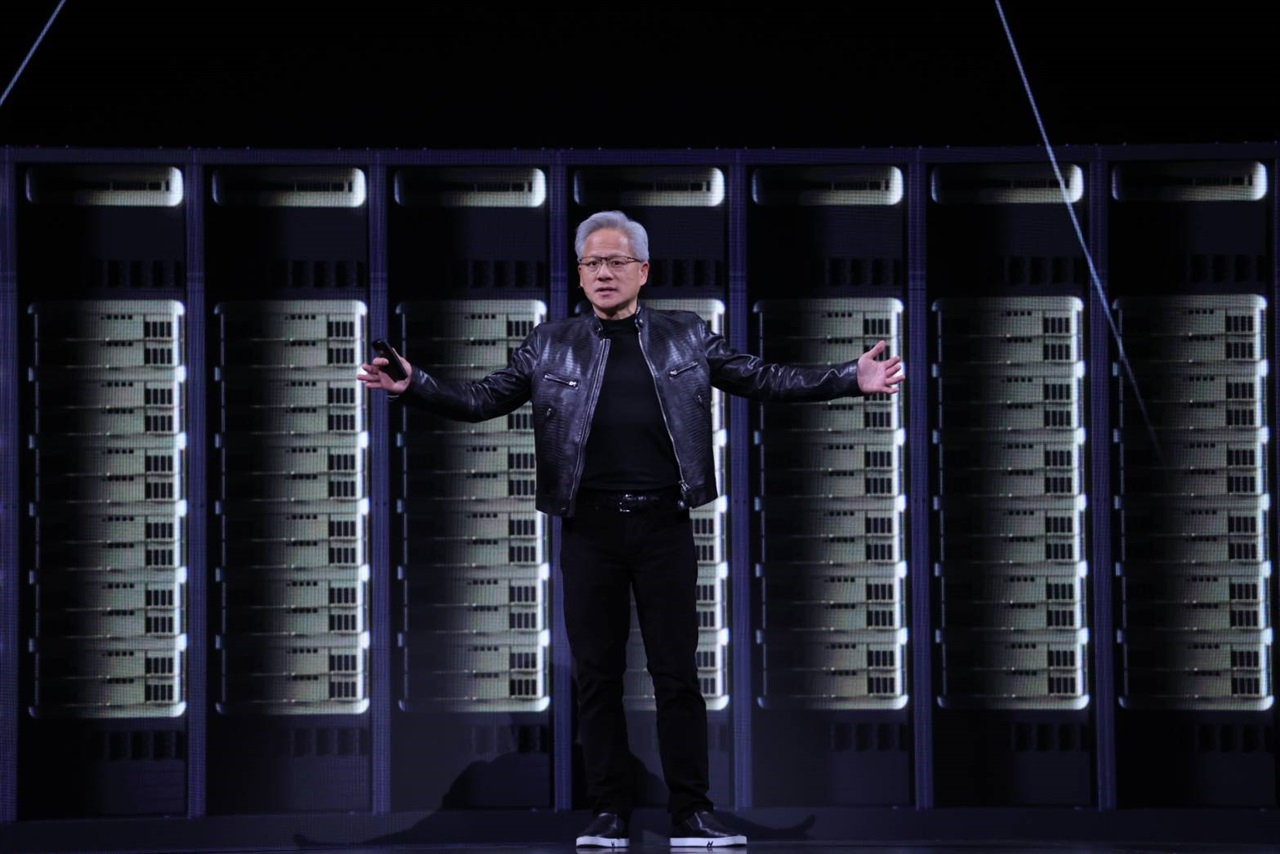
Nvidia Vera Rubin: Production Commences
Nvidia has announced that its Vera Rubin platform has officially entered full production. This news, reported by Digitimes, highlights a significant step for the company in consolidating its AI hardware offerings. The commencement of full-scale production is a key indicator of a new architecture's maturity and Nvidia's ability to meet growing market demand.
A crucial aspect of this announcement is the involvement of 150 Taiwanese suppliers, who are powering the production ramp-up phase. This extensive network of partners underscores the complexity and scale of operations required to bring cutting-edge hardware solutions to market, especially in a strategic sector like AI and Large Language Models (LLMs).
Implications for AI Hardware and Supply Chain
The availability of powerful hardware is a prerequisite for developing and deploying complex AI workloads. For companies evaluating self-hosted or on-premise solutions, access to the latest generation of GPUs is often a limiting factor. The full production of a platform like Vera Rubin suggests a potential increase in the availability of critical components in the near future, an aspect that can influence investment strategies in AI infrastructures.
The reliance on a global supply chain, with a strong focus on Taiwan, also highlights the geopolitical and logistical challenges that can impact silicon supply. The diversification and robustness of this supplier network are essential to ensure production continuity and scalability, vital elements for a rapidly expanding market like artificial intelligence.
The On-Premise Deployment Context
For CTOs, DevOps leads, and infrastructure architects, the choice between cloud and on-premise deployment for LLM workloads is driven by multiple factors. The availability of specific hardware, such as that offered by the Vera Rubin platform, is crucial for those opting for self-hosted solutions. These decisions are often guided by the need to maintain data sovereignty, ensure regulatory compliance, operate in air-gapped environments, or optimize the Total Cost of Ownership (TCO) in the long term.
Acquiring high-performance hardware, with specifications like high VRAM and optimized throughput, represents a significant investment. The certainty of stable production and a reliable supply chain can mitigate risks associated with planning and implementing local AI infrastructures. AI-RADAR offers analytical frameworks on /llm-onpremise to evaluate the trade-offs between different deployment options, considering aspects such as CapEx, OpEx, and specific performance requirements.
Future Outlook and Market Challenges
The acceleration of the Vera Rubin platform's production could have a significant impact on the AI hardware market, potentially alleviating some of the demand pressures that have characterized recent years. However, the demand for AI computing capacity continues to grow exponentially, fueled by the evolution of Large Language Models and their adoption across increasingly broad sectors.
Companies will need to continue to closely monitor hardware availability and costs, strategically planning their infrastructure investments. Nvidia's ability to maintain this production ramp and further innovate will be crucial for the future of AI deployments, both in the cloud and on-premise, directly influencing the technological decisions of decision-makers.







💬 Comments (0)
🔒 Log in or register to comment on articles.
No comments yet. Be the first to comment!