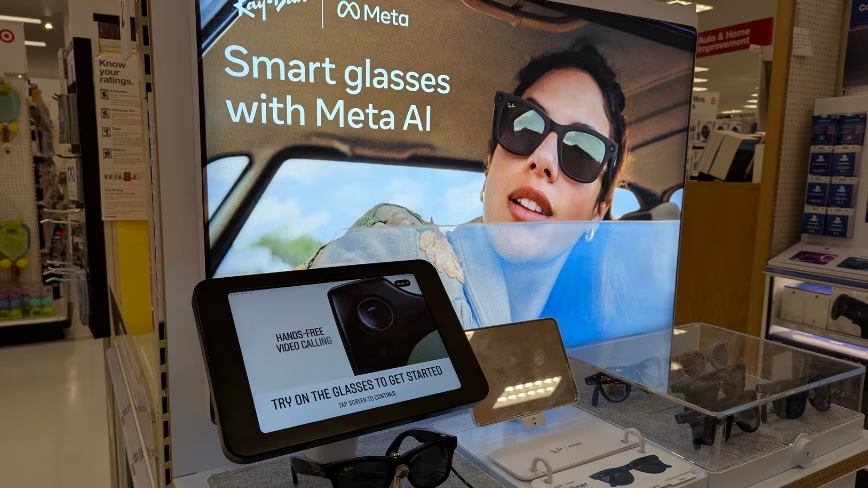
Occhiali smart e privacy: la crisi delle telecamere invisibili è già qui
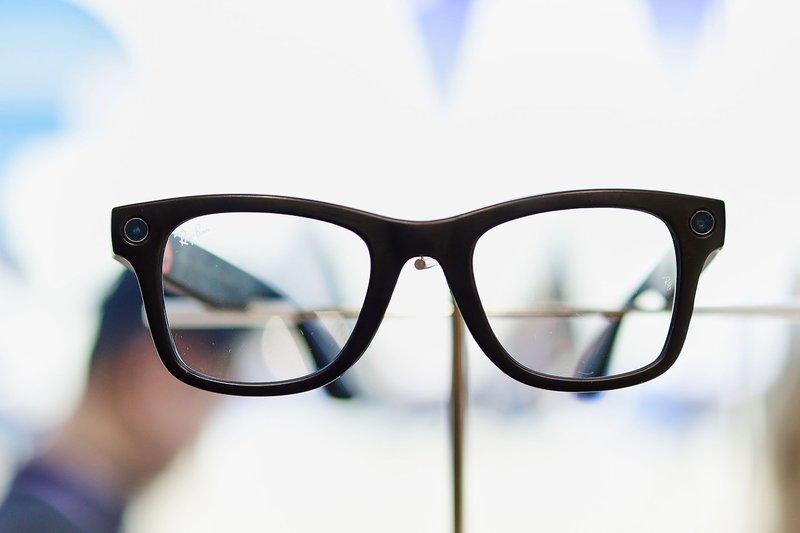
L'avanzamento della tecnicia indossabile, in particolare degli occhiali smart, sta portando alla ribalta nuove e complesse sfide in termini di privacy. Un episodio recente, avvenuto a Londra, ha messo in luce la potenziale portata di queste problematiche. Una donna, mentre faceva acquisti, è stata avvicinata da un uomo che indossava occhiali da sole all'interno di un negozio. Senza che lei ne fosse consapevole, una telecamera quasi invisibile, integrata nella montatura dei suoi occhiali smart Meta Ray-Ban, stava registrando ogni istante dell'interazione.
Questo scenario non è un caso isolato, ma un campanello d'allarme per una crisi di privacy che potrebbe diventare endemica. La capacità di registrare video e audio in modo discreto, quasi impercettibile, trasforma ogni utente di questi dispositivi in un potenziale osservatore e registratore, sollevando questioni fondamentali sul consenso, la sorveglianza e il diritto alla propria immagine in spazi pubblici.
La tecnicia e le sue implicazioni
Gli occhiali smart rappresentano una frontiera entusiasmante per l'interazione uomo-macchina, offrendo funzionalità che vanno dalla realtà aumentata alla connettività immediata. Tuttavia, l'integrazione di capacità di registrazione video e audio in un formato così discreto introduce una dimensione etica e legale complessa. La sfida principale risiede nella difficoltà di identificare quando un dispositivo sta registrando e, di conseguenza, di fornire o negare il proprio consenso.
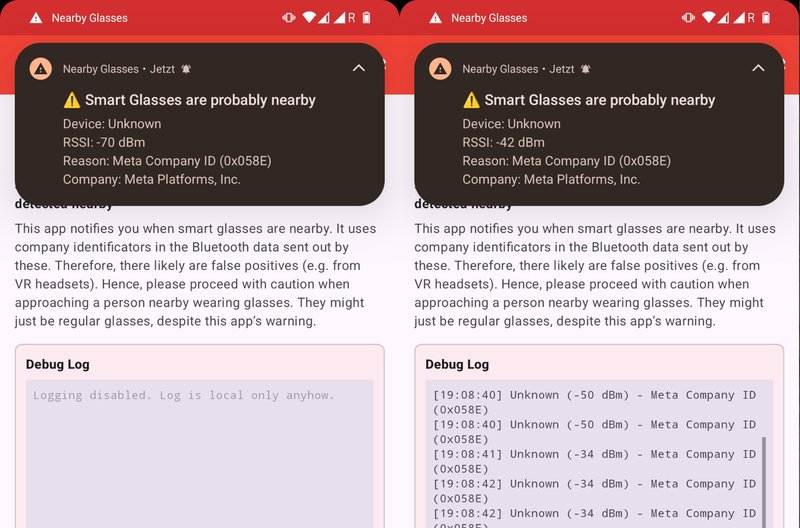
Mentre i produttori implementano indicatori luminosi per segnalare la registrazione, come nel caso dei Meta Ray-Ban, la loro visibilità e riconoscibilità in contesti reali rimangono oggetto di dibattito. La natura "quasi invisibile" della telecamera, come descritto nell'episodio londinese, rende tali indicatori spesso insufficienti a garantire la trasparenza necessaria, creando un ambiente in cui la sorveglianza passiva può diventare la norma piuttosto che l'eccezione.
Sovranità dei dati e controllo
Per le organizzazioni che valutano l'adozione di tecnicie AI, inclusi i dispositivi edge, la questione della sovranità dei dati è di primaria importanza. Sebbene gli occhiali smart raccolgano dati a livello locale, la gestione successiva di queste informazioni è cruciale. Dove vengono archiviati i dati? Chi ha accesso a essi? Come vengono protetti da usi impropri o accessi non autorizzati? Queste domande sono centrali per garantire la compliance con normative come il GDPR e per mantenere il controllo sui dati sensibili.
La proliferazione di dispositivi capaci di raccolta dati discreta rende ancora più urgente la necessità di strategie robuste per la governance dei dati. Per chi valuta deployment on-premise di soluzioni AI, la capacità di mantenere i dati all'interno dei propri confini infrastrutturali e di esercitare un controllo totale sul loro ciclo di vita diventa un fattore distintivo. I trade-off tra la comodità della raccolta dati edge e le esigenze di sicurezza e privacy devono essere attentamente bilanciati.
Prospettive future e sfide normative
La crisi della privacy generata dagli occhiali smart è destinata a intensificarsi con l'evoluzione della tecnicia. La miniaturizzazione delle telecamere, il miglioramento delle capacità di registrazione e l'integrazione con LLM per l'analisi in tempo reale dei dati raccolti, apriranno scenari ancora più complessi. Le normative attuali faticano a tenere il passo con un'innovazione così rapida, lasciando un vuoto che può essere sfruttato.
È imperativo che i produttori di tecnicia, i legislatori e la società civile collaborino per definire linee guida chiare e standard etici. La sfida è trovare un equilibrio tra l'innovazione tecnicica e la protezione dei diritti fondamentali degli individui. Senza un approccio proattivo, il rischio è che la sorveglianza ubiqua diventi una realtà ineludibile, erodendo la fiducia e la libertà personale in spazi che un tempo consideravamo privati.






💬 Commenti (0)
🔒 Accedi o registrati per commentare gli articoli.
Nessun commento ancora. Sii il primo a commentare!