A New Vision for Commercial Vehicles
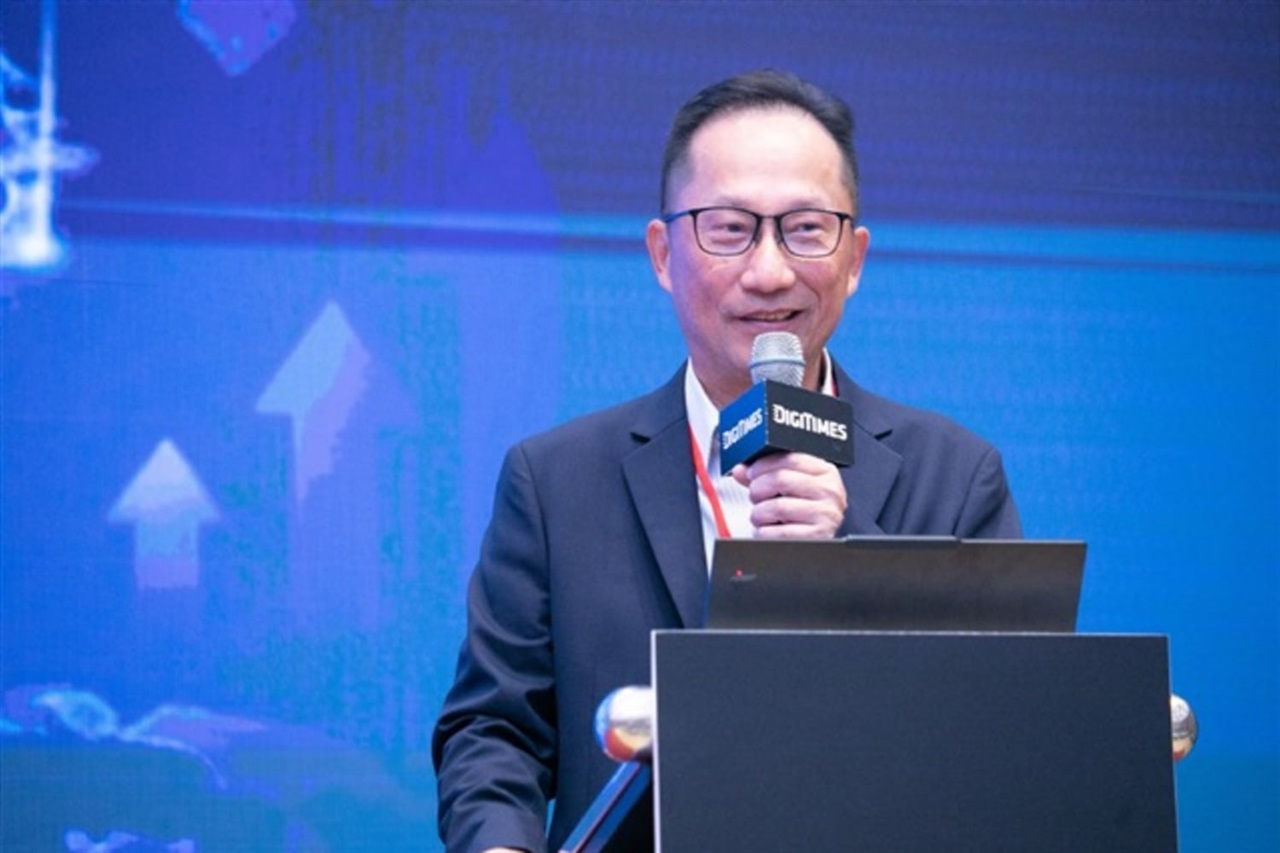
The commercial vehicle sector is undergoing a profound transformation, driven by technological innovation. CMC, a key player in this field, recently outlined its vision for the future, identifying artificial intelligence (AI), autonomy, and "lifestyle" as the pillars of its new agenda. This perspective marks a clear departure from the traditional concept of a vehicle as a mere work tool, projecting it towards a role as an intelligent and interconnected platform.
The integration of these technologies promises to redefine operational efficiency, safety, and the overall experience for operators and end-users. The emphasis on "lifestyle" suggests a growing focus not only on the vehicle's core functionalities but also on human-machine interaction, personalization, and integration with broader digital ecosystems—aspects increasingly relevant even in professional contexts.
Artificial Intelligence at the Wheel: Challenges and Opportunities
Vehicle autonomy, in particular, represents one of the most intensive application areas for AI. Perception systems based on neural networks must process massive data streams from sensors (cameras, radar, lidar) in real-time to understand the surrounding environment, predict the behavior of other actors, and make safe and efficient driving decisions. This requires significant computational capability, often needing to be executed directly on board the vehicle, i.e., at the edge.
The deployment of Large Language Models (LLM) or complex neural networks for autonomous driving imposes stringent requirements in terms of VRAM, throughput, and latency. Inference must occur with minimal response times to ensure safety, making hardware and software optimization crucial. Decisions on where to run these workloads—whether entirely on-device, in a local hub, or partially in the cloud—are dictated by a complex balance of costs, performance, and regulatory requirements.
Implications for Infrastructure and Data Sovereignty
CMC's vision highlights the growing need for robust and flexible infrastructures to support AI and autonomy in commercial vehicles. The sheer volume of data generated by autonomous vehicle sensors is enormous and requires targeted data management, storage, and processing strategies. For many organizations, data sovereignty and regulatory compliance (such as GDPR) make self-hosted or air-gapped deployments preferable solutions, especially when dealing with sensitive or proprietary information.
Total Cost of Ownership (TCO) analysis becomes fundamental in choosing between cloud, on-premise, or edge solutions. While the cloud offers scalability, long-term operational costs for intensive and constant AI workloads, coupled with low-latency requirements and data control, can make investment in local hardware and infrastructure more advantageous. For those evaluating on-premise deployments for LLM and AI workloads, AI-RADAR offers analytical frameworks at /llm-onpremise to assess these complex trade-offs.
Future Prospects and Technological Challenges
The evolution of commercial vehicles towards intelligent and autonomous platforms presents continuous technological challenges. Optimizing AI models for Inference on resource-constrained hardware, integrating complex systems, and managing over-the-air software updates for entire fleets are just some of the critical areas. The "lifestyle" concept also opens the door to using LLMs for more natural and personalized user interfaces, requiring further advancements in model quantization and efficiency.
The future will likely see an acceleration in the development of AI-specific silicio for edge computing, with a focus on energy efficiency and processing capabilities tailored for computer vision and natural language processing workloads. The ability to manage and orchestrate these distributed systems while maintaining high standards of security and reliability will be crucial for the success of this new agenda in the commercial vehicle sector.






💬 Comments (0)
🔒 Log in or register to comment on articles.
No comments yet. Be the first to comment!