
OpenAI Trial Enters Decisive Phase
The testimonial phase of the trial concerning the status and governance of OpenAI, the organization that has revolutionized the artificial intelligence landscape with its Large Language Models (LLM), has concluded. After three weeks of proceedings at the Oakland courtroom, presided over by Judge Yvonne Gonzalez Rogers, closing arguments took place on Thursday afternoon. The nine-member jury is now preparing to begin its deliberations on Monday.
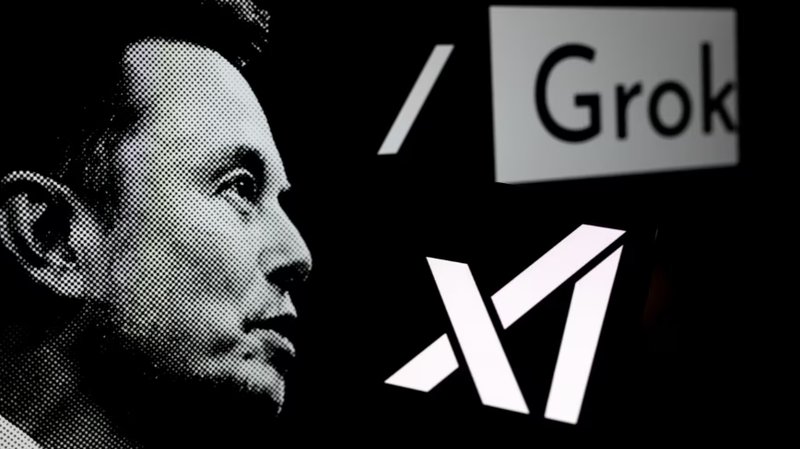
One notable detail was Elon Musk's absence during the final arguments. The entrepreneur, co-founder of OpenAI and a party to the dispute, was in Beijing for commitments related to a state delegation. This absence, while not directly impacting the legal proceedings, highlights the broad range of interests and commitments that characterize key figures in this rapidly evolving sector.
Context and Implications for the LLM Sector
The legal dispute surrounding OpenAI, while corporate and statutory in nature, touches upon deep chords in the debate about the evolution of artificial intelligence. OpenAI was founded with a stated mission to develop AI for the benefit of humanity, with an initial emphasis on Open Source principles. However, its subsequent evolution towards a more hybrid structure, with a for-profit arm and the development of proprietary models, has generated significant discussion within the technology community.
For companies evaluating LLM Deployment, the stability and clarity regarding the governance of key players like OpenAI are important factors. The choice between solutions based on Open Source models, often preferred for self-hosted and on-premise deployments for data sovereignty and control reasons, and proprietary cloud-based offerings, is a complex strategic decision. Any legal uncertainties or changes in the strategic direction of foundational model providers can influence risk perception and the Total Cost of Ownership (TCO) of enterprise AI implementations.
Impact on Enterprise Deployment Strategies
The discussion about OpenAI's status and its legal implications fits into a broader context of increasing attention to data sovereignty and regulatory compliance. Companies, particularly those operating in regulated sectors, seek solutions that guarantee full control over their data and AI models. This often translates into a preference for on-premise or hybrid architectures, where hardware infrastructure (such as GPUs with high VRAM specifications) and management Frameworks are handled internally.
An outcome of this trial could, indirectly, strengthen or weaken confidence in certain business models in the AI field. Although the verdict does not directly concern technical deployment specifications, the perception of reliability and consistency with stated principles by industry leaders can influence investment decisions in AI infrastructure, whether it involves expanding local computing capabilities for Inference and Fine-tuning, or opting for managed cloud services.
Future Prospects for the AI Ecosystem
The start of jury deliberations marks a moment of anticipation for the entire artificial intelligence ecosystem. The outcome of this trial could not only define the future of OpenAI but also send an important signal regarding the ethical and commercial direction of AI development. The tension between rapid innovation, principles of openness, and the need for economic sustainability remains a central theme.
For CTOs, DevOps leads, and infrastructure architects, the broader lesson is the need for a resilient and adaptable AI deployment strategy. Regardless of the outcome of disputes like this, the ability to evaluate the trade-offs between Open Source and proprietary solutions, between on-premise and cloud deployments, and to ensure data sovereignty, will remain fundamental. AI-RADAR continues to provide analysis and frameworks to support these strategic decisions, helping companies navigate a constantly evolving technological and legal landscape.






💬 Comments (0)
🔒 Log in or register to comment on articles.
No comments yet. Be the first to comment!