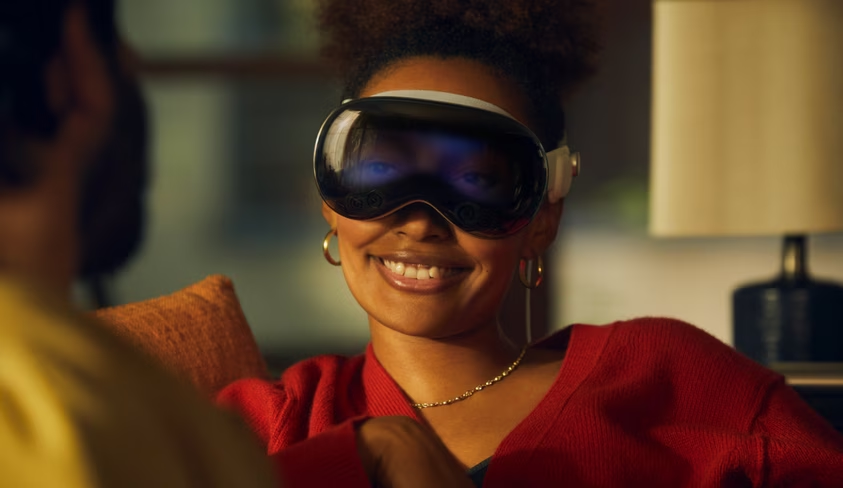
Apple losing a vice president to a competitor is a rare event—almost an unwritten rule. Paul Meade, the executive who headed the Vision Pro program, has decided to cross the aisle and join OpenAI to build devices. It is the most high-profile departure from Cupertino toward the generative AI camp, and it signals that the talent war has now reached the hardware heartland.
Meade, who became a guardian of Apple’s design legacy after Jony Ive’s exit, brings deep expertise in crafting complex devices that merge sensors, interfaces, computational power, and software into objects meant to be worn or placed on a desk. That skill set is exactly what OpenAI needs as it expands beyond the world of LLMs and cloud APIs.
What the move means for OpenAI
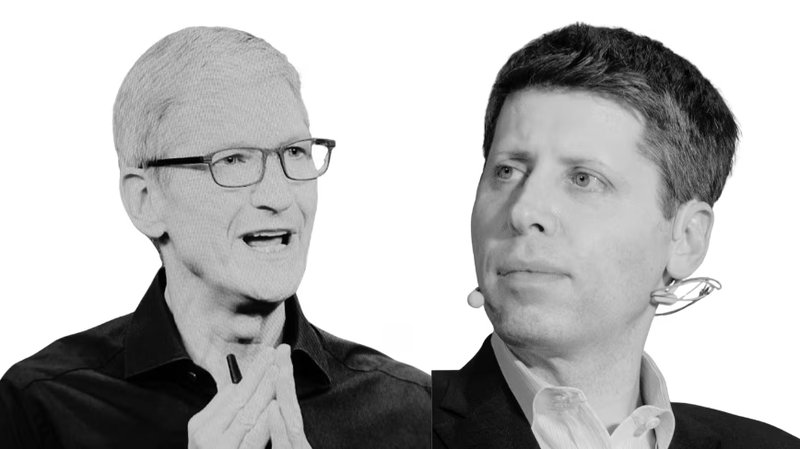
Hiring Meade is no accident. For months, CEO Sam Altman has been discussing hardware projects with former Apple designers and even with Jony Ive himself—rumors point to home assistants, smart glasses, and robots capable of interacting with their environment. Bringing a leader with Meade’s track record on board full time suggests OpenAI intends to move from research and software to the far more demanding business of physical integration.
A company built on centralized cloud inference will face deep architectural questions when it embeds AI into hardware. A future device might need to run models locally to guarantee low latency and data privacy, forcing a hybrid infrastructure that blends on-device processing with cloud back-ends. That’s precisely the kind of tight hardware‑software co-design that Apple excels at—and that Meade knows inside out.
The AI hardware talent war and its fallout
The defection hits Apple at its core: designer retention has long been a pillar of its strategy. When the leader of a flagship product like Vision Pro leaves to develop direct competitors, it confirms that the battle is shifting from patents and market share to attracting the minds capable of turning artificial intelligence into tangible objects.
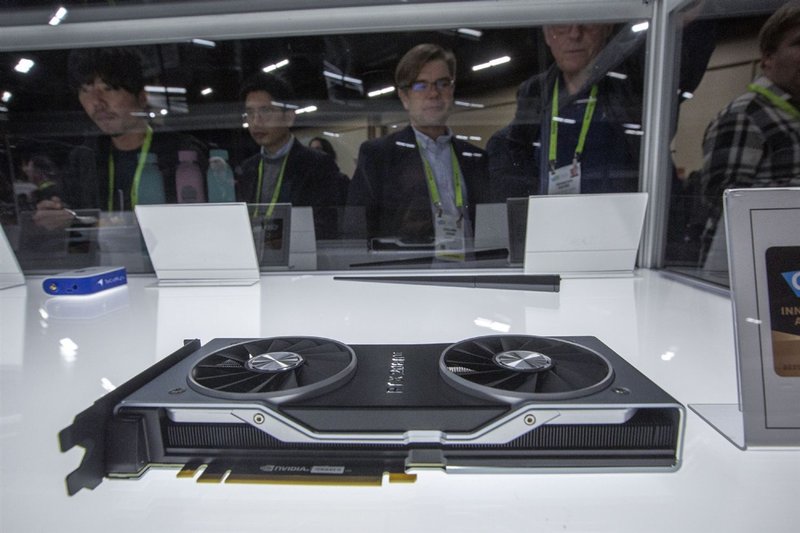
This fits into a broader picture where AI hardware becomes the arena for both large tech companies and nimble startups. The drive toward edge computing and the need to run increasingly large models locally (to meet requirements for latency, standalone operation, and data sovereignty) make custom silicon and tailored system design essential. Established players like NVIDIA already dominate the enterprise space with GPUs and high-bandwidth interconnects, while Apple, Google, and now OpenAI are chasing proprietary chips for their consumer and professional devices.
A signal for the on-premise world
For organizations evaluating on-premise deployment of LLMs, this hire provides a telling lens. If OpenAI, the embodiment of cloud-first AI, is betting heavily on hardware to move intelligence closer to the user, it’s reasonable to expect that technologies developed for consumer devices will eventually trickle down to the enterprise ecosystem. We could see accelerators and reference architectures designed to run language models without constant connectivity, slashing reliance on remote data centers and strengthening data control—an absolute requirement in many industrial, healthcare, and defense settings.
Specific details about OpenAI’s hardware plans and any partnerships remain scarce. But the willingness to court and land a leader of Meade’s stature suggests a deep, sustained effort with implications well beyond a living-room gadget. We are heading toward a future where AI does not only live inside hyperscaler servers but takes shape in everyday objects, built by those who have already reshaped the way we interact with technology.





💬 Comments (0)
🔒 Log in or register to comment on articles.
No comments yet. Be the first to comment!