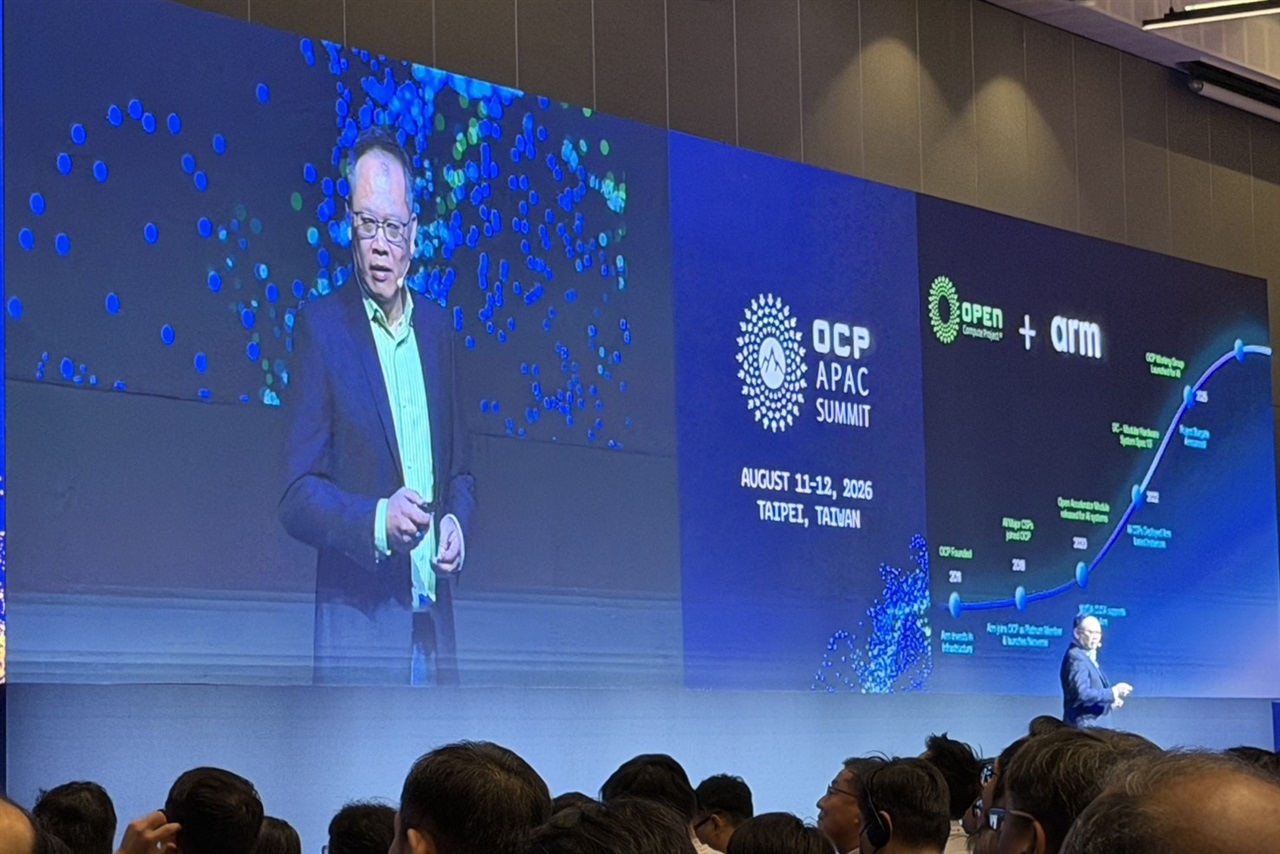
Al summit OCP APAC di Taipei, AMD ha tracciato una direzione che potrebbe riscrivere le specifiche delle infrastrutture IA nei prossimi anni. Secondo l'azienda, l'ascesa degli agenti IA — sistemi autonomi che combinano LLM, ragionamento, pianificazione e strumenti esterni — modificherà radicalmente il mix di calcolo nei server, portando il rapporto fra CPU e GPU verso 1:1. Una previsione che segna un punto di svolta rispetto all'era attuale, dominata da densi cluster di GPU dove ogni processore x86 o Arm regge decine di acceleratori.
L'annuncio non è un semplice tweet visionario ma arriva in un contesto dove la stanchezza per l’iper-specializzazione hardware inizia a farsi sentire tra gli operatori di datacenter, specie quelli che valutano deployment on-premise. Oggi un server IA tipico ha un rapporto sbilanciato: otto GPU per due socket CPU è ormai la normalità, con il calcolo general-purpose ridotto a semplice coordinatore di inference e data pipeline. Il costo, in termini di TCO, è dominato dalle schede grafiche e dalla loro dissipazione termica, che costringe a ripensare alimentazione e raffreddamento.
Perché gli agenti cambiano questo schema? Un agente non è un LLM in esecuzione continua: alterna fasi di inference a fasi di manipolazione sintattica, ricerca e orchestrazione di API, spesso con elevata ramificazione logica. La componente CPU diventa essenziale per eseguire i loop decisionali, gestire lo stato e mantenere la memoria a breve termine, mentre la GPU viene mobilitata solo per l'inference del modello linguistico. In pratica, il collo di bottiglia si sposta dalla potenza bruta di calcolo vettoriale alla reattività e alla scalabilità orizzontale dei core CPU.
Questo riposizionamento ha implicazioni dirette per chi progetta infrastrutture on-premise. Un rapporto 1:1 riduce la densità per nodo, semplifica la distribuzione del carico termico e, soprattutto, abbatte il costo di ingresso: non servono più costosi sistemi a 8 GPU per far girare agenti complessi, ma piattaforme bilanciate dove CPU e GPU condividono più equamente il budget. Per le aziende che trattano la sovranità dei dati come requisito non negoziabile, significa poter portare l'intelligenza artificiale più vicino al dato senza dover affrontare l'onere di un refresh completo delle sale macchine.
AMD, che produce sia CPU EPYC sia GPU Instinct, è naturalmente interessata a un mondo dove entrambi i componenti valgano allo stesso modo nel conto economico del cliente. Ma la mossa segnala anche un cambiamento di fase più ampio: dopo anni di corsa ai massimi TFLOPS, l'industria inizia a chiedersi se l'hardware non sia diventato sovradimensionato rispetto ai carichi di lavoro reali degli agenti, e se la vera efficienza non stia piuttosto in una modularità che assecondi il profilo intermittente del calcolo IA. È un ragionamento che ricorda, per analogia, il passaggio dai supercomputer monolitici ai cluster commodity: non più una sola risorsa costosissima, ma tanti nodi bilanciati che cooperano.
A Taipei, Michael Wong di Arm Taiwan ha parlato a sua volta, ricordando come l'efficienza per watt rimanga la metrica chiave per il futuro dei datacenter. L'abbinamento fra CPU ad alta efficienza e GPU sufficienti, ma non ridondanti, potrebbe diventare la risposta concreta alle bollette energetiche che stanno cominciando a mordere anche i grandi fornitori cloud. Per i responsabili IT che valutano l'AI on-premise, questo segnale è un invito a non farsi ipnotizzare dalla corsa alla scheda più potente, ma a ragionare in termini di architettura complessiva — un tema che AI-RADAR seguirà da vicino, offrendo strumenti analitici per chi naviga questi trade-off.








💬 Commenti (0)
🔒 Accedi o registrati per commentare gli articoli.
Nessun commento ancora. Sii il primo a commentare!