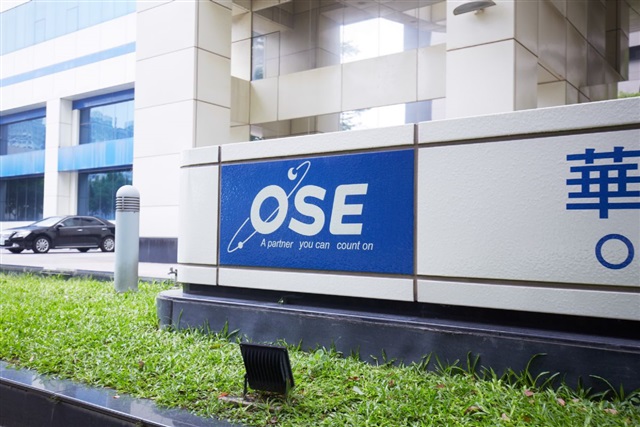
OSE and the Strategy for AI Servers
Orient Semiconductor Electronics (OSE), a prominent outsourced semiconductor assembly and test (OSAT) service provider, is strengthening its position in the rapidly expanding AI server market. The company is strategically emphasizing Surface Mount Technology (SMT), a foundational pillar for manufacturing high-density electronic components. This strategy directly addresses the surge in demand for dedicated artificial intelligence infrastructure, particularly for Large Language Models (LLMs) and other computationally intensive applications.
The escalating requirement for memory, which is essential for these advanced architectures, is contributing to a positive outlook for OSE. This strategic focus not only positions the company at the forefront of hardware innovation but also highlights the market dynamics driving the development and production of critical AI components.
The Critical Role of SMT in AI Servers
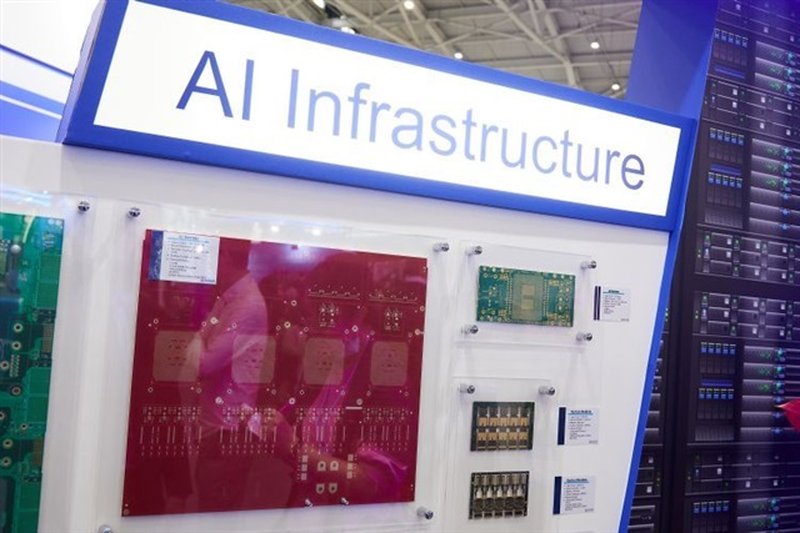
SMT is indispensable for assembling the complex printed circuit boards (PCBs) found in state-of-the-art AI servers. These systems integrate Graphics Processing Units (GPUs) with substantial VRAM and other high-speed components, demanding extreme precision and reliability throughout the manufacturing process. SMT enables the mounting of miniaturized components directly onto the PCB surface, maximizing density and minimizing physical footprint—critical factors for servers designed to house numerous compute cores and memory modules.
OSE's capability to manage advanced SMT processes is therefore a key enabler for supporting the hardware evolution required for large-scale LLM inference and training. The quality and robustness of SMT assembly directly influence the performance, reliability, and longevity of AI servers, which are fundamental aspects for infrastructures operating 24/7 with intensive workloads.
Memory Demand and Implications for On-Premise Deployments
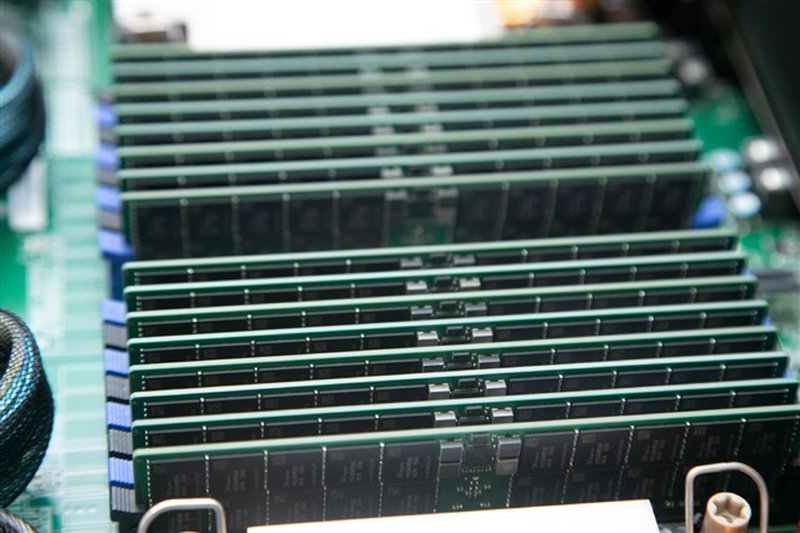
The escalating demand for memory, particularly High Bandwidth Memory (HBM) and high-capacity VRAM, serves as a direct indicator of the growth in AI workloads. Increasingly larger LLMs necessitate vast amounts of memory to load models and manage extended context windows. This requirement translates into pressure on the supply chain for advanced memory components, affecting both availability and cost.
For enterprises evaluating on-premise deployments of AI infrastructure, the availability and cost of these memory types are critical determinants of the Total Cost of Ownership (TCO). The choice of a self-hosted infrastructure, often driven by data sovereignty requirements, regulatory compliance, or the need for air-gapped environments, heavily relies on the ability to procure specific hardware and the robustness of the supply chain. AI-RADAR offers analytical frameworks on /llm-onpremise to evaluate the trade-offs between on-premise and cloud solutions, considering aspects such as direct hardware control and operational cost management.
Future Prospects for the AI Supply Chain
The strategic pivot of companies like OSE towards AI servers highlights a broader trend within the semiconductor industry. The demand for manufacturing and assembly capacity for AI hardware is projected to continue its upward trajectory, driving innovation in manufacturing processes and component integration. The resilience of the global supply chain, from silicon production to final assembly, will be paramount in sustaining the expansion of artificial intelligence.
Companies that strategically position themselves in key segments, such as SMT for AI servers and managing memory demand, will be pivotal players in shaping the future of AI infrastructure. This scenario underscores the interdependence between technological innovation, manufacturing capability, and the deployment needs of AI solutions globally.






💬 Comments (0)
🔒 Log in or register to comment on articles.
No comments yet. Be the first to comment!