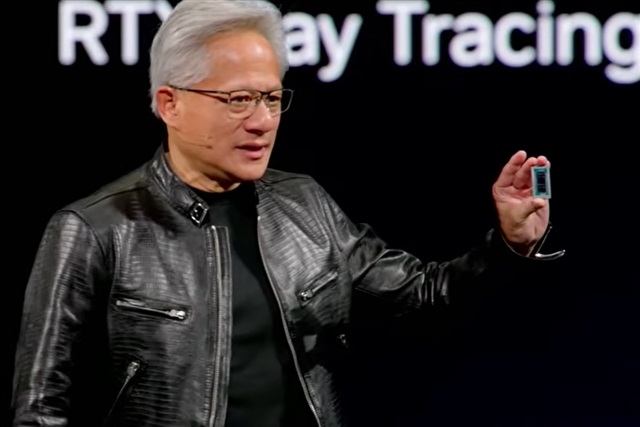
The Nvidia-MediaTek Alliance Brings AI to Laptops
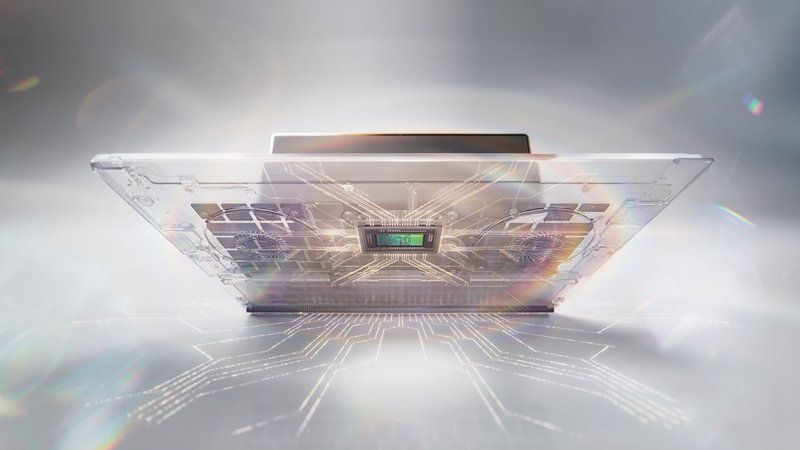
Eight leading PC manufacturers have announced their commitment to adopting the Nvidia-MediaTek RTX Spark platform. This initiative aims to integrate advanced artificial intelligence capabilities directly into next-generation laptops, with a launch anticipated for the fall. The collaboration between Nvidia, a leader in AI GPUs, and MediaTek, known for its System-on-Chips (SoC) for mobile devices, seeks to create a new category of "AI agent laptops" capable of executing complex workloads locally.
This development reflects a growing trend in the tech industry: shifting AI processing from the cloud to the edge. The goal is to provide end-users with more responsive, secure, and personalized AI experiences, reducing reliance on network connectivity and external cloud services. For businesses, the adoption of such devices can mean new opportunities for data management and workflow optimization.
The Crucial Role of Edge AI
The introduction of "AI agent laptops" based on RTX Spark underscores the increasing importance of Edge AI. Running Large Language Models (LLM) and other AI workloads directly on a client device offers numerous advantages. Firstly, it enhances data sovereignty, as sensitive information can be processed locally without needing to traverse cloud servers, a critical aspect for regulated industries or air-gapped environments.
Secondly, edge processing drastically reduces latency, improving the responsiveness of AI applications and the user experience. This is particularly relevant for "AI agents" that require real-time interactions. Finally, it can contribute to optimizing the Total Cost of Ownership (TCO) for specific applications by reducing operational costs associated with continuous cloud inference. However, deploying LLMs on resource-constrained hardware necessitates advanced techniques such as quantization and model optimization for available VRAM.
Implications for Enterprise Deployment Strategies
For CTOs, DevOps leads, and infrastructure architects, the emergence of laptops with native AI capabilities introduces new considerations into deployment strategies. While training workloads and inference for very large LLMs will continue to require robust cloud or on-premise infrastructures with high-performance GPUs, edge devices can play a complementary role. Local AI agents could handle pre-processing, personalization, or user assistance tasks, alleviating the load on centralized servers.
This hybrid approach, combining the power of the cloud or on-premise datacenter with the agility of the edge, offers flexibility. Companies can evaluate which AI workloads benefit most from proximity to the user and which require the scalability and computational power of centralized infrastructures. The choice will depend on factors such as latency requirements, data sensitivity, and overall TCO. AI-RADAR offers analytical frameworks on /llm-onpremise to evaluate these trade-offs.
Future Prospects and Technological Challenges
The arrival of the first "AI agent laptops" this fall marks the beginning of a new era for personal and enterprise computing. The primary challenge for manufacturers and developers will be to further optimize Large Language Models and other AI models to run efficiently on hardware with power and VRAM constraints. This will require continuous innovation at both the silicon level, with increasingly powerful and efficient NPUs and GPUs, and at the software level, with advanced frameworks and optimization techniques.
The collaboration between giants like Nvidia and MediaTek is indicative of the complexity and importance of this transition. As AI becomes an integral component of everyday devices, the ability to handle AI workloads locally will become a key differentiating factor, influencing purchasing decisions and long-term technological strategies for businesses.







💬 Comments (0)
🔒 Log in or register to comment on articles.
No comments yet. Be the first to comment!