
Italian venture capital takes a decisive step toward European scale. P101, a historic name in the domestic ecosystem, has announced the integration of PranaVentures, an operational firm specializing in seed investments, creating a platform with over €600 million in assets under management. The news carries more than financial weight: it signals a cultural and operational shift in a market that, with the arrival of artificial intelligence, is profoundly reshaping the rules of company building.
The deal and the new architecture
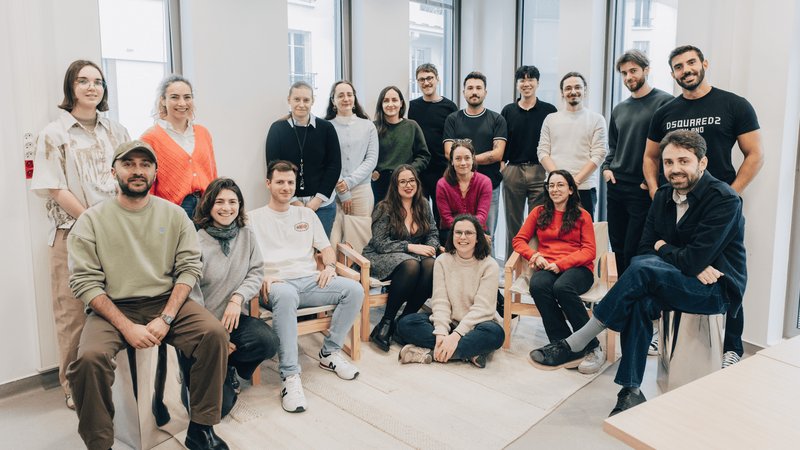
The merger combines two teams with complementary skill sets. P101, led by Managing Partner Andrea Di Camillo, has built a track record in growth and scale-up investments over the years. PranaVentures, founded by Lisa Di Sevo, has developed a high-intensity operational seed model based on founder proximity, technological support, and go-to-market execution. The combined portfolio counts more than 80 active startups, which in 2025 generated approximately €2 billion in aggregate revenue and employed over 5,500 people.
The new vehicle, Prana101, targets €100 million with a first closing expected by year-end, and is the flagship of the strategy: pre-seed and seed investments in Italian and European startups operating at the intersection of AI, next-generation digital infrastructure, and innovative services. The fund remains under the leadership of Lisa Di Sevo and Guido Giordano, ensuring continuity with the operational approach that has defined Prana since its inception in 2021.
AI as an accelerator (and equalizer)
The deal builds on a broader transformation. Lisa Di Sevo put it bluntly: AI has reduced early-stage startup capital requirements by up to 70% while increasing execution speed by as much as eightfold. This paradigm shift challenges the traditional venture capital model, where access to capital was the primary competitive differentiator. Today, fast decisions and operational efficiency matter as much as, if not more than, money.
For those focused on AI-RADAR — that is, on-premise deployment, data sovereignty, and TCO — the shift has direct implications. Startups building AI infrastructure or LLM-based services can now operate with lean teams and less capital, perhaps choosing self-hosted stacks to maintain data control. It's no coincidence that the cost reduction cited by Di Sevo aligns with the economies achieved by local inference on modern hardware, where quantization and model optimization eliminate expensive cloud services.
The European play
Aiming for €1 billion in assets under management, as stated by Di Camillo, places the new platform on a continental stage. Europe's VC market is fragmented, and Italian firms have traditionally struggled to compete with Nordic or Anglo-Saxon mega-funds. The P101-PranaVentures integration points toward a more structured, better-capitalized player capable of shepherding startups from embryonic stages to international growth rounds, without losing them to foreign investors at critical junctures.
The blend of operational expertise and follow-on capacity is the true differentiator. In a scenario where AI squeezes development costs but raises the bar on technical quality, startups need partners who go beyond writing checks — who can roll up their sleeves and dive into code, architectures, and market strategies. Prana built its reputation exactly on this hands-on approach, and the merger with P101 amplifies its reach.
Prospects and open questions
Prana101’s fundraising will be a test of institutional investors' appetite for European seed. The €100 million target is ambitious but not unrealistic, given the growing demand for exposure to tech innovation in a continent seeking strategic autonomy. Open questions remain about the new platform's ability to maintain the operational culture and decision speed that made PranaVentures a go-to for early-stage founders while integrating the processes of a larger organization.
For those tracking AI deployment trajectories, the deal hints at something subtler: capital is reorganizing around startups born with an already optimized DNA, where the choice of on-premise or hybrid stacks is no longer a big-tech luxury but a competitive lever available to lean teams. P101 and PranaVentures appear to understand this, and the Prana101 fund will likely serve as a laboratory to observe how these dynamics translate into concrete investments.






💬 Comments (0)
🔒 Log in or register to comment on articles.
No comments yet. Be the first to comment!