Palo Alto Networks Bolsters AI and Identity Security
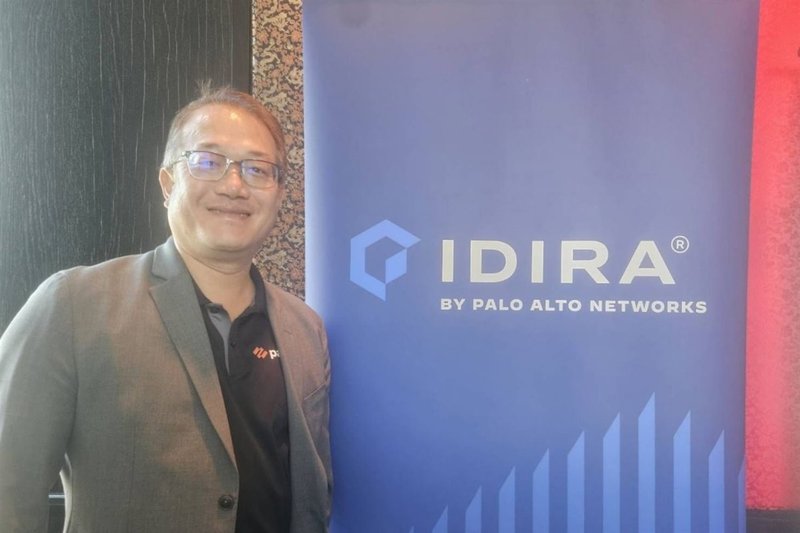
Palo Alto Networks, a prominent player in the cybersecurity landscape, recently announced a significant initiative aimed at enhancing its capabilities in AI-powered security and identity management. The company has integrated solutions from CyberArk, Koi, and Portkey, while simultaneously launching a new product named Idira. This combined strategy is designed to address the growing complexities and new threats emerging with the widespread adoption of AI in enterprise settings.
The primary goal of these moves is to provide organizations with more sophisticated tools to protect sensitive data, applications, and critical infrastructure. In an era where Large Language Models (LLM) and other AI technologies are becoming central to business operations, the need for robust security and impeccable identity management is more pressing than ever.
The Context of AI and Identity Security
The integration of technologies from CyberArk, Koi, and Portkey, coupled with the launch of Idira, underscores a clear trend in the cybersecurity sector: the convergence of identity protection and AI security. Digital identities, whether human or machine, represent the new security perimeter. With the expansion of AI workloads, the attack surface broadens, introducing new vulnerabilities related to access to models, training data, and inference pipelines.
Privileged Access Management (PAM) is crucial for preventing unauthorized access that could compromise the integrity of AI models or expose sensitive data. Concurrently, AI-powered security solutions, as Idira aims to be, are vital for detecting sophisticated anomalies and threats that would evade traditional systems. This includes protection against specific LLM attacks, such as prompt injection or the extraction of training data.
Implications for On-Premise Deployments
For organizations evaluating self-hosted or hybrid deployments of LLMs and other AI applications, Palo Alto Networks' initiatives hold particular significance. Data sovereignty, regulatory compliance (such as GDPR), and the need to operate in air-gapped environments are critical factors driving many enterprises towards on-premise solutions. In these contexts, granular control over security and identities is not just desirable but mandatory.
Solutions that integrate AI security and identity management offer an essential level of control and visibility to mitigate the risks associated with internally managing complex AI infrastructures. The ability to monitor and protect access to systems, data, and models, by both users and other AI entities, contributes to reducing the overall TCO by minimizing the risk of costly breaches. For those evaluating the trade-offs of on-premise deployments, AI-RADAR offers analytical frameworks on /llm-onpremise that can help navigate these complexities, highlighting the importance of a holistic security strategy.
Future Outlook on AI Security
Palo Alto Networks' announcement reflects a deep understanding of the emerging challenges in the cybersecurity landscape. As AI becomes more pervasive, the line between application security, data security, and identity security blurs. Enterprises require a unified approach that can protect the entire AI lifecycle, from training to inference, while ensuring that only authorized entities have access to critical resources.
The integration of specialists like CyberArk for privileged identity management, and the launch of a dedicated platform like Idira, suggest a clear direction: AI security is not an add-on, but an intrinsic component of modern IT architecture. Deployment decisions, especially those prioritizing control and data sovereignty through self-hosted solutions, will greatly benefit from a security ecosystem that evolves alongside artificial intelligence innovation.








💬 Comments (0)
🔒 Log in or register to comment on articles.
No comments yet. Be the first to comment!