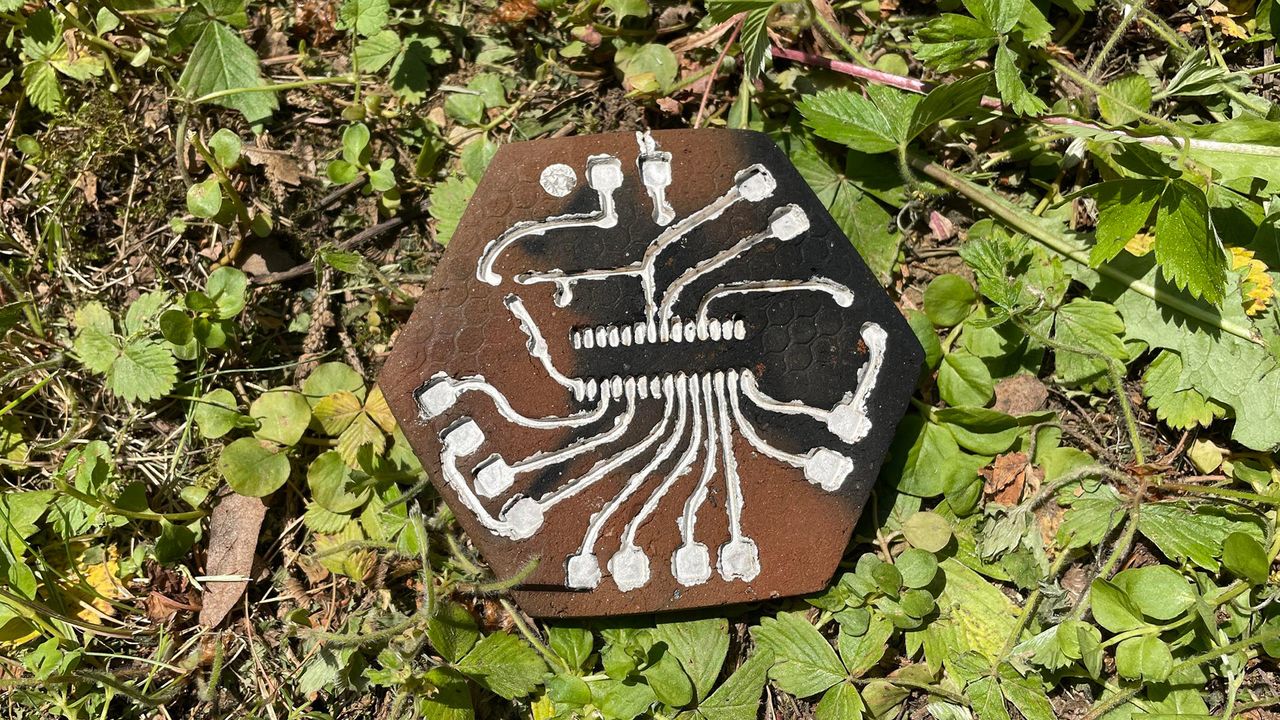
L'Hardware Etico Incontra l'Archeologia Digitale
L'idea di realizzare circuiti stampati (PCB) funzionali non con i metodi industriali convenzionali, ma con argilla naturale e tecniche che richiamano l'età preistorica, può sembrare un paradosso. Eppure, è proprio questa la proposta di un recente tutorial diffuso da gruppi di hacktivisti. L'obiettivo è esplorare la creazione di "hardware etico" attraverso un processo che enfatizza l'autosufficienza e la conoscenza dei materiali, spingendo i confini della manifattura elettronica verso un approccio radicalmente alternativo.
Questa iniziativa si colloca in un contesto più ampio di ricerca di soluzioni tecniciche che siano meno dipendenti dalle complesse e spesso opache catene di approvvigionamento globali. Per chi valuta deployment on-premise, la discussione sulla provenienza e sul controllo dell'hardware è sempre più rilevante, e progetti come questo, sebbene estremi, stimolano una riflessione profonda sulla sovranità tecnicica.
Dettagli di un Processo Antico per Componenti Moderni
Il processo descritto nel tutorial è meticoloso e sorprendentemente completo, considerando i materiali e le tecniche impiegate. Inizia con la fase di reperimento dell'argilla selvatica, sottolineando l'importanza della sua composizione e lavorabilità per garantire la stabilità strutturale del futuro PCB. Successivamente, si passa alla creazione dei circuiti veri e propri. Invece di fotolitografia o fresatura CNC, il metodo prevede l'uso di stampi realizzati con la stampa 3D per imprimere i percorsi dei circuiti sull'argilla.
Questi percorsi vengono poi "dipinti" con materiali conduttivi, probabilmente a base di grafite o metalli in polvere, per creare le tracce elettriche. Infine, le "tavolette" di argilla vengono sottoposte a un processo di cottura, simile alla produzione ceramica, per solidificare la struttura e fissare i conduttori. Questo approccio contrasta nettamente con la complessità e la precisione nanometrica delle moderne fabbriche di semiconduttori, dove ogni strato di un PCB è realizzato con processi chimici e fisici estremamente controllati e richiede infrastrutture altamente specializzate.
Contesto e Implicazioni per la Sovranità Hardware
Sebbene l'applicazione di tali PCB in argilla per carichi di lavoro computazionali intensivi, come l'inference o il training di Large Language Models, sia chiaramente impraticabile a causa delle limitazioni intrinseche in termini di conduttività, densità di componenti e affidabilità, il progetto solleva questioni filosofiche rilevanti. Per organizzazioni che valutano deployment on-premise, la sovranità dei dati e il controllo sull'intera pipeline tecnicica sono priorità assolute. Questo tutorial, pur estremo, spinge il concetto di controllo hardware al suo limite, proponendo un'alternativa radicale alla dipendenza dalle catene di approvvigionamento globali e dalle fabbriche ad alta tecnicia.
Il progetto si inserisce in un dibattito più ampio sull'hardware Open Source e sulla possibilità di creare tecnicie con un impatto ambientale ridotto, o almeno con una maggiore trasparenza sui materiali e sui processi. La capacità di comprendere e, in teoria, replicare la produzione di componenti fondamentali, anche se a un livello basilare, offre una prospettiva interessante sulla resilienza infrastrutturale e sulla riduzione del TCO a lungo termine, qualora si potessero sviluppare soluzioni più performanti con metodologie simili.
Prospettiva Finale: Oltre la Performance, Verso il Controllo
L'iniziativa degli hacktivisti non mira a sostituire l'industria dei semiconduttori, ma a stimolare una riflessione critica. Dimostra che, con risorse minime e tecniche ancestrali, è possibile realizzare componenti elettronici funzionali, seppur con prestazioni e complessità limitate. Per i decision-maker nel settore tech, questo progetto può servire da promemoria dell'importanza di comprendere i fondamenti dell'hardware e di considerare approcci innovativi alla produzione, anche se non direttamente applicabili ai requisiti di performance attuali.
La ricerca di soluzioni che garantiscano maggiore controllo e resilienza, anche a costo di trade-off significativi in termini di performance o scalabilità, rimane un tema centrale per chi gestisce infrastrutture critiche e valuta alternative self-hosted vs cloud per carichi di lavoro AI/LLM. AI-RADAR offre framework analitici su /llm-onpremise per valutare questi trade-off, evidenziando come la sovranità e il controllo possano assumere forme diverse, anche le più inaspettate.




💬 Commenti (0)
🔒 Accedi o registrati per commentare gli articoli.
Nessun commento ancora. Sii il primo a commentare!