Introduction: An Energy Bridge for the Tech Future
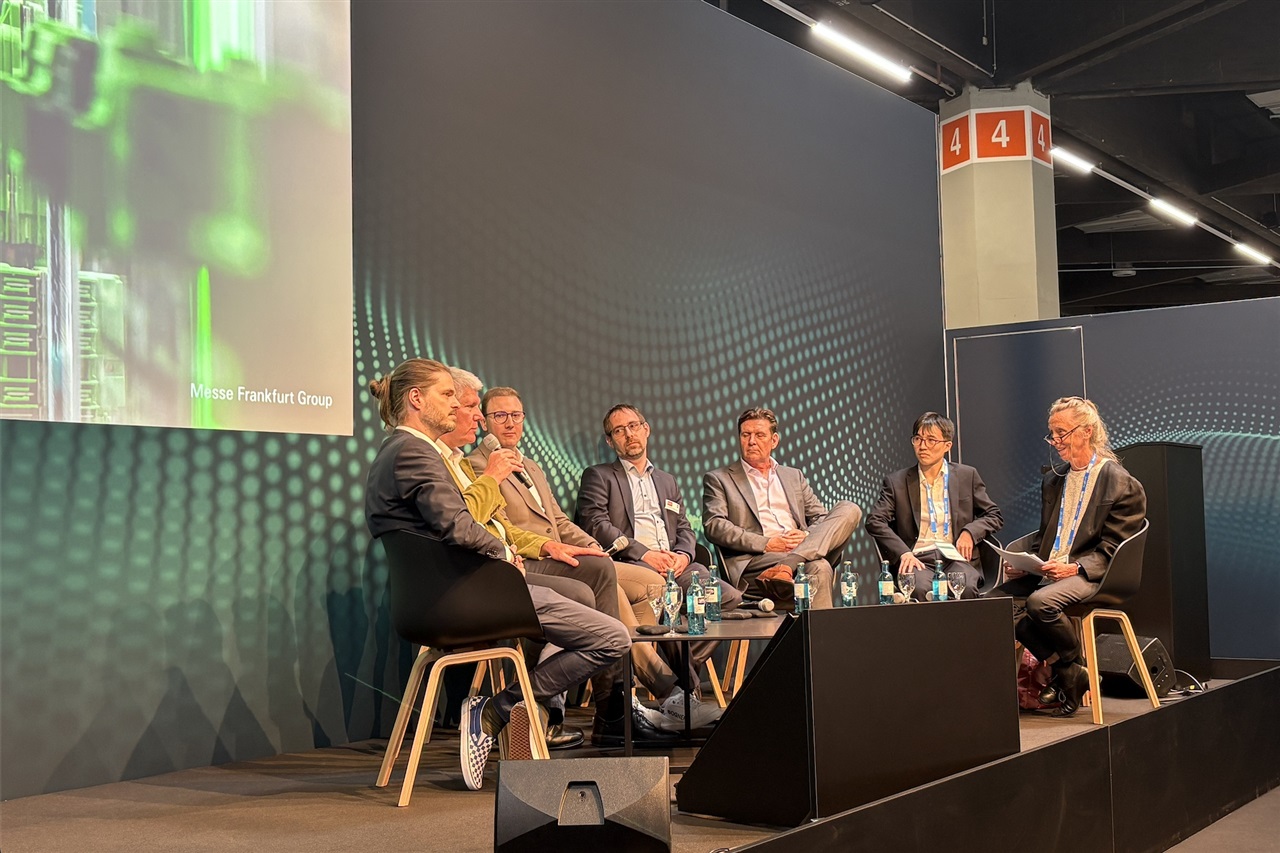
PCIM 2026, a leading event for power electronics, is set to explore a strategic convergence that will redefine the future of technological innovation. Central to the discussion will be the role of high-voltage infrastructure as a unifying bridge between two rapidly expanding sectors: artificial intelligence (AI) and e-mobility. This theme underscores how energy foundations are increasingly interconnected with the development and deployment of advanced technologies.
The growing demand for computational power for training and inference of Large Language Models (LLM) and other AI workloads poses new challenges to existing infrastructures. Simultaneously, the expansion of e-mobility requires robust charging networks and intelligent energy management systems. The synergy between these areas is not just a matter of efficiency, but a strategic imperative to sustain technological growth and ensure operational sustainability, especially for organizations prioritizing control and data sovereignty.
The Energy Challenges of On-Premise AI
For companies opting for on-premise or hybrid AI deployments, energy management represents a critical factor. Modern AI accelerators, such as latest-generation GPUs, require significant amounts of VRAM and electrical power to operate at their full capacity. This translates into high energy consumption for data centers and local infrastructures, directly impacting the Total Cost of Ownership (TCO) and the scalability of AI projects.
A well-designed and integrated high-voltage infrastructure can mitigate these challenges, ensuring a stable and efficient power supply. The ability to distribute and manage high power loads is essential not only for the continuous operation of AI systems but also for supporting future expansion. Data sovereignty and regulatory compliance often push organizations towards self-hosted solutions, making the reliability and energy efficiency of local infrastructure a fundamental pillar for long-term success and sustainability.
Convergence and Deployment Implications
The convergence between AI and e-mobility, mediated by high-voltage infrastructure, opens new perspectives for the deployment of AI solutions. Imagine scenarios where electric vehicle charging networks, equipped with distributed intelligence, could also serve as nodes for edge AI, processing real-time data and optimizing energy flows. This interconnection can lead to more resilient systems and a more efficient use of resources, reducing reliance on centralized infrastructures and improving latency.
For CTOs and infrastructure architects, understanding this synergy means planning not only computational power but also the entire energy value chain. The selection of power electronics components, the design of cooling systems, and the evaluation of environmental impact become integral parts of the AI deployment strategy. AI-RADAR, for example, offers analytical frameworks on /llm-onpremise to evaluate the trade-offs between different deployment options, including aspects related to energy infrastructure and overall TCO.
Future Prospects and Strategic Planning
The future of AI and e-mobility is intrinsically linked to the ability to develop and manage advanced energy infrastructures. PCIM 2026 will serve as a platform to explore innovations in this field, from intelligent grid management to next-generation power components. For companies aiming to maintain control over their data and optimize TCO through on-premise deployments, investing in robust and scalable energy infrastructure is no longer an option, but a strategic necessity.
Long-term planning must consider not only specific AI hardware, such as GPUs with high VRAM, but also the energy ecosystem that supports them. The efficiency, resilience, and adaptability of high-voltage infrastructure will be determining factors for the success of AI projects, especially in a context where data sovereignty, compliance, and operational sustainability are absolute priorities for technology decision-makers.





💬 Comments (0)
🔒 Log in or register to comment on articles.
No comments yet. Be the first to comment!