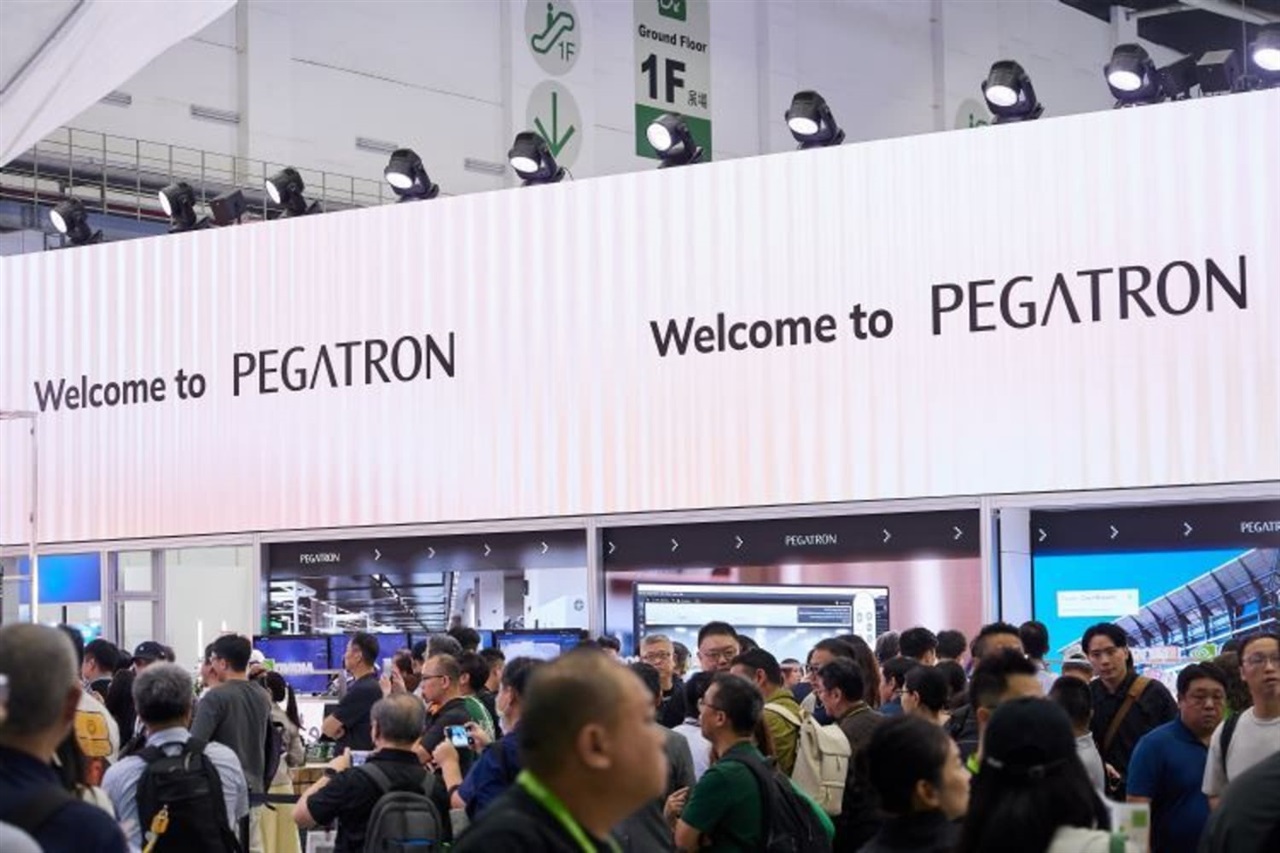
Pegatron posted a 15.9% year-on-year revenue jump in June, driven by server shipments and the expansion of artificial intelligence activities. The news, reported by DIGITIMES, might look like a routine financial update from one of Taiwan's leading ODMs. Look closer, and it offers a revealing glimpse into how enterprises are actually absorbing AI compute demand: not just in the cloud, but increasingly in their own racks.
Pegatron's revenue surge is no isolated blip. The company, which contract-manufactures servers for major technology providers and enterprise customers, is riding a powerful undercurrent: the need for machines capable of handling LLM workloads, from fine-tuning to inference. Crucially, many of those machines are destined for on-premise infrastructure. AI expansion doesn't only translate into multi-cloud contracts; it also means physical servers that organizations prefer to keep in-house, for reasons of latency, data control, and cost predictability.
Anyone watching assemblers such as Pegatron, Quanta, or Wistron knows that shipment volumes tell a more concrete story than marketing statements. The June uptick signals that the generative AI experimentation phase is giving way to planned, sustained deployments. And those deployments hunger for specialized hardware: GPUs with high memory bandwidth, high-speed networking, storage optimized for vast amounts of unstructured data. In such a landscape, moving toward self-hosting becomes a rational choice for many, because the TCO over a three-to-five-year horizon can flip the comparison with cloud instance rental, especially when workloads are predictable.
Data sovereignty adds further momentum. In Europe, GDPR and the coming wave of AI regulation push enterprises to keep sensitive data within their own perimeters. A server installed in a corporate data center or in a dedicated cage offers guarantees that the public cloud, however well-contracted, struggles to match without expensive add-on agreements. This regulatory pressure translates into orders for companies like Pegatron, which know how to integrate high-performance components into reliable, certified systems.
A second-order aspect also deserves attention: assembly and delivery speed. Taiwanese ODMs have honed supply chains capable of absorbing demand spikes, such as those generated by AI. The June figure suggests Pegatron is seizing this window, likely through a combination of growing volumes and a richer product mix, with more high-density configurations. For anyone evaluating on-premise deployment, ready hardware availability and the ability to scale quickly are decisive factors — dynamics that AI-RADAR's self-hosting strategy reports help clarify without resorting to broad generalizations.
Finally, the news casts a different light on the AI supply chain's balance. While attention often gravitates toward chipmakers, it is manufacturers like Pegatron that turn silicon shortages into operational racks. Their financial health is a thermometer of real-world AI adoption, more trustworthy than many industry surveys. And that thermometer, this June, reads hot.





💬 Comments (0)
🔒 Log in or register to comment on articles.
No comments yet. Be the first to comment!