
Artificial Intelligence Becomes Tangible: The Physical AI Expo Arrives in San Jose
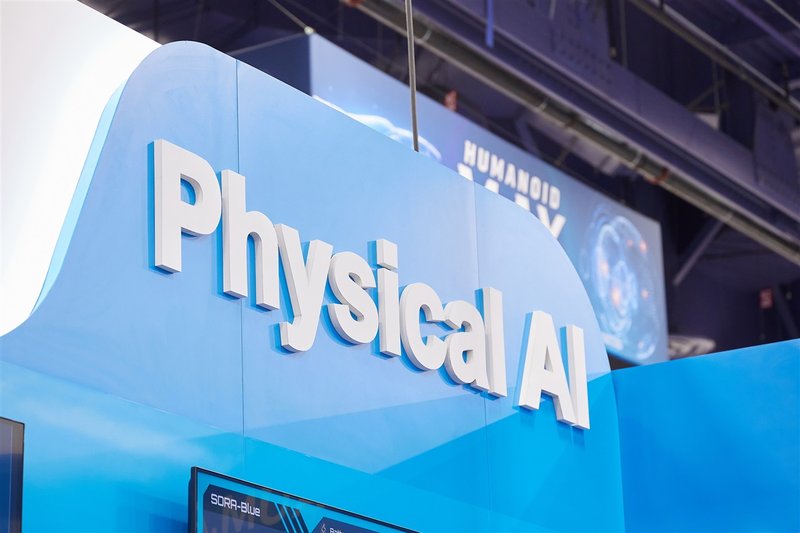
Silicon Valley is preparing to host a crucial event for the future of artificial intelligence: the Physical AI Expo North America. Scheduled for May 18-19, 2026, at the San Jose McEnery Convention Center, this conference will bring together engineers, developers, and AI pioneers to explore how artificial intelligence is translating into concrete physical actions. The event marks a significant moment as AI is rapidly evolving beyond software applications and chatbots to integrate deeply into robotics, autonomous systems, and intelligent machines operating in the real world.
The primary objective of the Physical AI Expo is to address the challenges and opportunities related to operationalizing Physical AI at scale. Sectors such as manufacturing, logistics, automotive, and defense are already investing heavily in AI systems capable of sensing, reasoning, and acting in physical environments. The conference aims to analyze exactly how this transformation is happening and what steps are necessary to move from the experimentation phase to actual production.
The Rise of Physical AI and its Deployment Implications
The next era of artificial intelligence is intrinsically physical. While software-based AI has revolutionized digital workflows, the next competitive leap will come from embedding intelligence directly into machines, robotic systems, industrial operations, and autonomous systems. The Physical AI Expo will examine how organizations are deploying AI-powered systems into real-world environments, integrating intelligence into daily operations, and building the necessary infrastructure for AI that effectively interacts with the physical world.
This shift towards Physical AI raises fundamental questions for technology decision-makers, particularly for those evaluating on-premise or hybrid deployments. The need to ensure data sovereignty, control over hardware, and regulatory compliance becomes even more critical when AI operates in sensitive physical contexts. The conference will address these aspects, combining technical insights with enterprise-level deployment strategies to support leaders in developing the next generation of intelligent systems.
From Prototype to Production: Crucial Strategies and Infrastructure
The conference agenda is structured to guide participants through the complexities of Physical AI deployment. Day One will focus on AI strategy, enterprise transformation, autonomous intelligence, and large-scale data infrastructures. Sessions are designed for organizations building the foundations required to release Physical AI systems at scale, a highly relevant topic for those managing local infrastructures.
Day Two will explore how companies are moving Physical AI from prototype to production in sectors such as robotics, automation, and autonomous operations. Dedicated tracks will cover AI deployment, infrastructure, and developer workflows powering intelligent systems in the real world. Speakers include experts from leading organizations such as NVIDIA, Airbus Acubed, Qualcomm, Hitachi, Hyundai Global Software Center, and JPMorgan, who will share their experiences in solving real challenges related to scalability, infrastructure, reliability, and adoption.
The AI-RADAR Perspective: Control and Sovereignty in Physical Deployment
Michael Hughes, Head of Conference Production, emphasized how Physical AI is rapidly moving from concept to deployment. The discussion is no longer just about models but focuses on infrastructure, robotics, autonomous systems, and building AI that can reliably operate in the real world at scale. This approach deeply resonates with AI-RADAR's mission, which focuses on on-premise LLM deployments, local stacks, and dedicated hardware for inference and training.
For organizations evaluating on-premise or hybrid deployments for AI/LLM workloads, AI-RADAR offers analytical frameworks on /llm-onpremise to assess the trade-offs between control, TCO, and performance. The Physical AI Expo North America represents a fundamental opportunity for technology decision-makers to understand the practical and infrastructural implications of Physical AI, ensuring that adopted solutions meet data sovereignty and operational control requirements, essential elements for success in this new technological landscape.






💬 Comments (0)
🔒 Log in or register to comment on articles.
No comments yet. Be the first to comment!