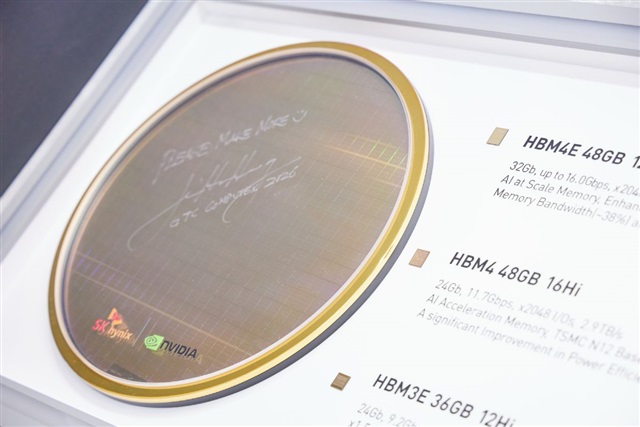
The surge in generative AI demand is straining a silent yet critical component of every powerful GPU: High Bandwidth Memory (HBM). According to DIGITIMES analysis, HBM prices could double by 2027, fueled by the explosive combination of AI-driven volumes and long-term supply agreements that are draining the spot market. The news hits hard anyone planning to build or expand compute infrastructure for LLMs and model training, especially in on-premise or self-hosted setups.
HBM isn’t just any memory: it stacks multiple DRAM layers on an interposer, delivering bandwidth that far exceeds conventional GDDR while consuming less power. It’s practically indispensable for high-end GPUs—from NVIDIA’s A100 to the H100, and AMD’s MI300X—where data throughput to Tensor and CUDA cores makes the difference between training in one day or a week. Without enough HBM and its bandwidth, foundation models remain theoretical.
A doubling of prices, if confirmed, reshapes the TCO calculation for organizations betting on local deployment. Today an eight-GPU H100 server can cost over three hundred thousand euros; if memory claims an even larger slice of chip costs, the entry price for an on-prem cluster becomes prohibitive for many. Cloud providers aren’t untroubled, but they can spread the increase across volumes and pass part of it to customers, preserving margins. Pure on-premise eats the full hike with no cushion.
But the HBM price move is also a signal of a deeper structural shift. High-bandwidth memory is becoming the bottleneck of a supply chain that risks repeating the pattern of GPUs during the crypto pandemic: inflated demand, concentration of producers (just three: SK Hynix, Samsung, Micron), and opaque allocation contracts. LLM hype multiplies the pressure: every new inference or training chip requires more HBM, and DRAM makers prefer to sign multi-year deals with NVIDIA or hyperscalers, leaving smaller buyers on the sidelines.
Second-order implications are less obvious but more profound. A hardware cost increase of this magnitude could accelerate the search for alternative solutions that shrink memory requirements. Aggressive quantization techniques (INT8, INT4), sparse model architectures, or even compute-in-memory are gaining attention precisely because they promise to do more with less bandwidth. Edge inference, far from data centers, could benefit from renewed interest at the very moment central infrastructure costs explode. In other words, the HBM price rise might trigger the next wave of efficiency in AI deployment, not just at the software level but also in chip design.
For those tracking data sovereignty concerns, the paradox is clear: the need to keep data in-house pushes toward on-premise hardware, yet hardware costs are rising precisely because of AI demand. HBM stacks thus become a geopolitical indicator of the tech race: anyone without guaranteed access to memory volumes will be forced to compromise, shifting sensitive workloads to the cloud or forgoing cutting-edge models.
Ultimately, the doubling of HBM prices is not just bad news for IT budgets—it reflects a market where the AI supply chain dictates the terms. Organizations must decide whether to accept this dependency or invest in technological paths less hungry for memory. The battle is no longer fought only over petaFLOPS, but over the gigabytes per second that feed them.









💬 Comments (0)
🔒 Log in or register to comment on articles.
No comments yet. Be the first to comment!