A Capital Injection for AI Infrastructure
Pure Data Centres (Pure DC), a London-headquartered firm, announced it has secured $2.7 billion in financing. These funds are specifically allocated for expanding its operations across Europe and the Middle East, geographical areas experiencing rapidly growing demand for artificial intelligence workloads. This operation underscores the strategic importance of physical infrastructure in supporting the global expansion of AI capabilities.
Pure DC's business model, backed by Oaktree Capital, involves purchasing land to construct state-of-the-art data centers. These facilities are then leased to major hyperscalers, including industry giants like Microsoft, Google, and Amazon, to host their AI and cloud workloads. This approach positions Pure DC as a key infrastructure provider for companies driving innovation in AI and cloud computing.
The Role of Hyperscalers and New Financial Partners
A significant portion of the $2.7 billion loan was secured against Pure DC’s existing data center campuses in Dublin and Amsterdam, highlighting the strength of the company's current assets. The transaction brought in new prominent lenders, including the Japanese multinational bank SMBC, the German bank Allianz, and the Dutch bank ABN AMRO, demonstrating market confidence in Pure DC's strategy and the increasing need for dedicated AI infrastructure.
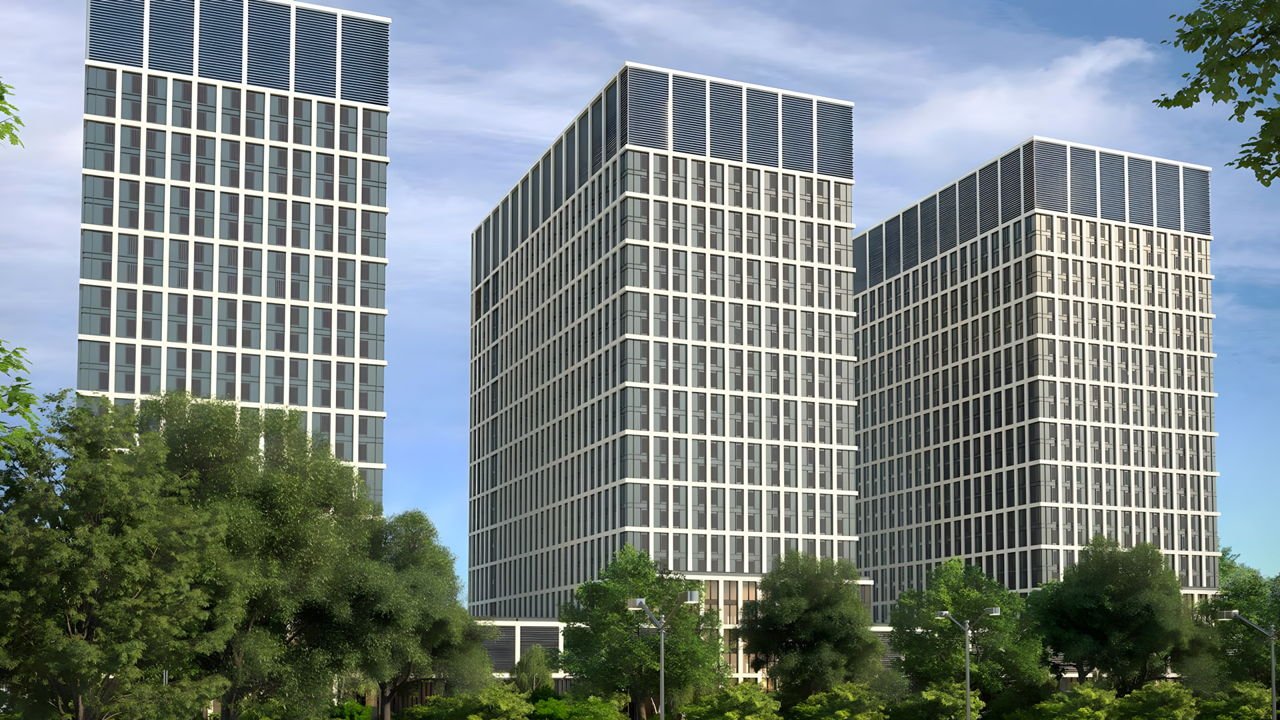
Specifically, Pure DC is investing over €1 billion in a massive 78MW data center campus in Amsterdam, designed to support AI workloads. This campus is already fully leased to Microsoft, according to Dutch media reports. The site, comprising three 85-meter towers, is also expected to create over 1,000 jobs, although a firm date for its full operational status has not yet been set.
Strategic Expansion and Geopolitical Challenges
In addition to its European presence, Pure DC already operates a data center in Abu Dhabi and is actively looking to expand its footprint in the Middle East. The company views this region as a key AI growth market, given the rapid digitalization and technological investments by local governments. However, the geopolitical context can significantly influence infrastructure deployment strategies.
Last month, Pure DC informed CNBC that it had paused investments in AI infrastructure projects and data centers in the Middle East due to the conflict in Iran. This incident highlights how external factors, such as regional stability and geopolitical tensions, can directly impact investment decisions and long-term planning for critical infrastructure. For enterprises evaluating on-premise deployments or data localization, data sovereignty and operational resilience in potentially air-gapped environments become primary considerations.
Market Outlook and Investor Confidence
Gary Wojtaszek, CEO of Pure DC, commented on the transaction, stating: "Over the past 12 months, we have materially strengthened and diversified our financing platform, bringing in high-quality institutional partners and increasing available capital." He added that "the successful syndication of the $2.15 billion facility and the expansion of our corporate facility demonstrate both the depth of market demand and the confidence lenders have in our assets, structure and strategy."
This operation reflects a broader trend in the tech sector: the escalating need for robust and scalable infrastructure to support the explosion of AI workloads. For CTOs, DevOps leads, and infrastructure architects evaluating self-hosted alternatives versus cloud solutions, the availability and reliability of specialized data centers are crucial factors. Analyzing the Total Cost of Ownership (TCO) for such infrastructure, which includes capital, operational, and energy costs, becomes essential for making informed decisions about the deployment of Large Language Models and other AI applications. AI-RADAR offers analytical frameworks on /llm-onpremise to evaluate these complex trade-offs.







💬 Comments (0)
🔒 Log in or register to comment on articles.
No comments yet. Be the first to comment!