Qualcomm Enters Entry-Level Laptop Segment with Snapdragon C
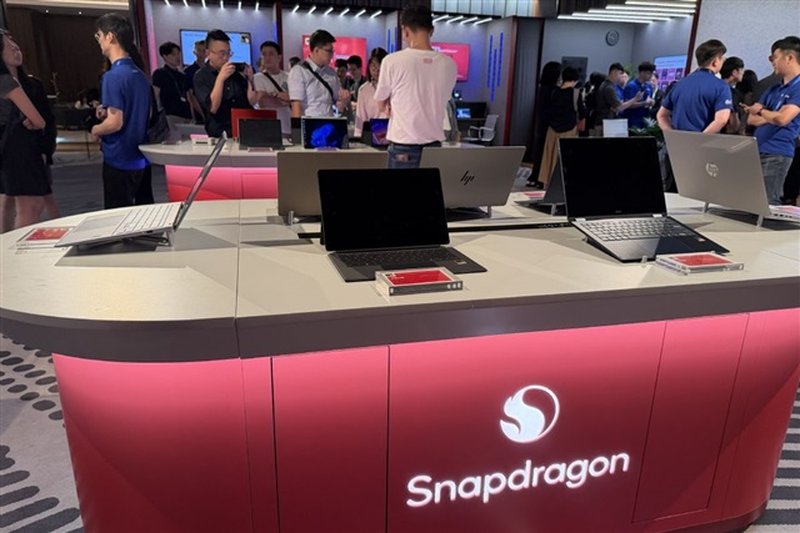
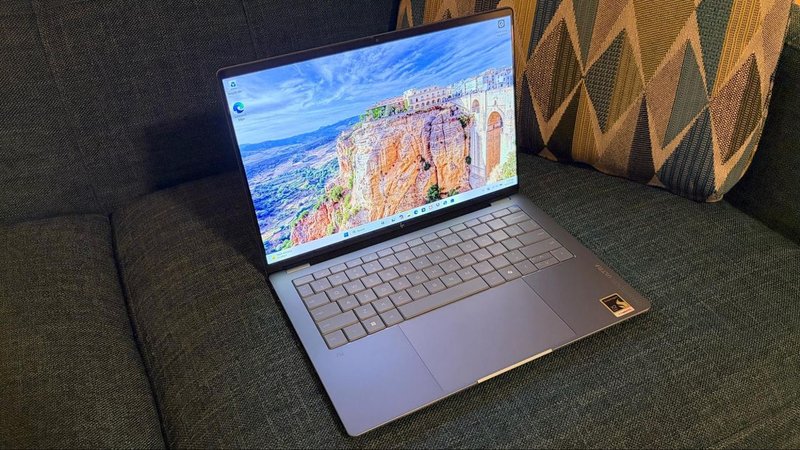
Qualcomm has officially introduced its new Snapdragon C series System-on-Chip (SoC), a strategic initiative aimed at solidifying the company's presence in the laptop market. These new processors have been specifically designed for entry-level portable devices, with the goal of making technology more accessible. The first laptops equipped with the Snapdragon C series are expected to be available starting at approximately $300, positioning them as a competitive alternative in a rapidly growing market segment.
Qualcomm's move comes within an already well-defined competitive landscape, where the company intends to contend with established players. Key competitors include solutions such as the Apple MacBook Neo and Google Chromebooks, which have long dominated the low-cost or optimized laptop sectors. The introduction of the Snapdragon C series therefore represents an attempt by Qualcomm to diversify its offering and capture a significant market share, leveraging the efficiency and performance that its SoCs can deliver even in cost-sensitive contexts.
The Importance of SoCs for Efficiency and On-Device AI
System-on-Chips, like the Snapdragon C series, are fundamental components for modern devices, as they integrate CPU, GPU, modem, and other essential elements onto a single chip. This consolidated architecture is crucial for optimizing both performance and energy efficiency, aspects particularly relevant for laptops, where battery life and heat dissipation are priorities. For companies considering the adoption of device fleets, the efficiency of these SoCs directly translates into a more favorable Total Cost of Ownership (TCO), thanks to lower energy consumption and longer operational life for the devices.
From a technological evolution perspective, the efficiency of SoCs also opens new possibilities for running artificial intelligence workloads directly on the device, known as on-device AI or edge AI. Although the source does not specify details on the AI inference capabilities of the C series, the general industry trend is to integrate dedicated accelerators for LLMs and other models. This approach allows sensitive data to remain on the device, ensuring greater data sovereignty and compliance with regulations like GDPR, which are crucial for many organizations. The ability to perform inference locally also reduces reliance on cloud connectivity, improving latency and operational resilience.
Market Implications and Enterprise Strategies
Qualcomm's entry into the entry-level laptop segment with a clear value proposition could have several market implications. On one hand, it could intensify competition, pushing other manufacturers to further innovate and optimize costs. On the other hand, it offers companies a wider choice when selecting devices for their employees or for specific applications. The availability of affordable laptops with a modern architecture, potentially optimized for AI, could accelerate the adoption of distributed computing solutions.
For CTOs and infrastructure architects, evaluating these new SoCs is not limited to the initial purchase price. It is essential to consider the entire device lifecycle, including management, maintenance costs, and energy impact. The ability to perform certain AI operations locally, reducing traffic to the cloud, can generate significant savings in long-term operational costs. This approach aligns with hybrid or edge deployment strategies, where computing power is intelligently distributed to balance performance, security, and costs.
Future Prospects and Qualcomm's Challenge
The Snapdragon C series represents a significant step for Qualcomm in its expansion beyond the traditional smartphone market. The challenge will be to convince consumers and, more importantly, enterprises that its SoCs can offer a competitive and reliable user experience, even compared to established solutions based on different architectures. Success will depend not only on technical specifications and price but also on the software ecosystem that develops around these new devices.
The focus on efficiency and the potential for on-device AI positions the Snapdragon C series in a relevant context for discussions on data sovereignty and TCO, central themes for AI-RADAR. As the entry-level laptop market continues to evolve, SoC-level innovation will be a determining factor in defining the future capabilities of devices and deployment strategies for increasingly distributed and intelligent workloads.








💬 Comments (0)
🔒 Log in or register to comment on articles.
No comments yet. Be the first to comment!