
QyTw0, il laboratorio AI finlandese, raggiunge una valutazione di 380 milioni di dollari
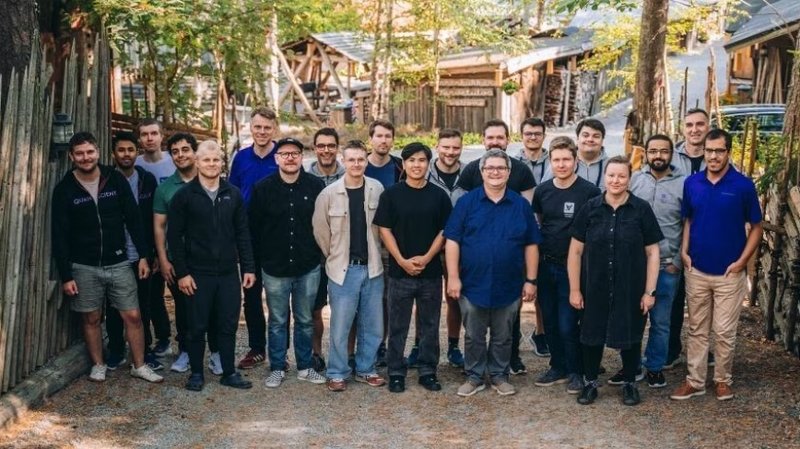
QyTw0, il laboratorio di intelligenza artificiale finlandese fondato da Peter Sarlin, ex CEO di AMD Silo AI, ha recentemente annunciato un significativo round di finanziamento. L'azienda ha ottenuto 25 milioni di euro (circa 29 milioni di dollari) in un round angel, portando la sua valutazione complessiva a 325 milioni di euro, equivalenti a circa 380 milioni di dollari. Questo investimento non solo riflette la fiducia nel potenziale di QyTw0, ma evidenzia anche un trend più ampio nel panorama tecnicico globale.
Il successo di QyTw0 si inserisce in un contesto di crescente interesse per l'intelligenza artificiale, il quantum computing e, in particolare, per le soluzioni tecniciche sovrane. Quest'ultimo aspetto è cruciale, specialmente per le aziende europee che cercano di mantenere il controllo sui propri dati e sulle proprie infrastrutture. La capacità di sviluppare e implementare tecnicie avanzate all'interno dei confini nazionali o regionali sta diventando una priorità strategica per molte organizzazioni.
L'Ascesa della Tecnologia Sovrana in Europa
Il concetto di "tecnicia sovrana" è sempre più al centro delle discussioni tra CTO, responsabili DevOps e architetti infrastrutturali. Per le aziende europee, ciò significa spesso la necessità di garantire che i carichi di lavoro AI, inclusi i Large Language Models (LLM), siano gestiti in ambienti che rispettino normative stringenti come il GDPR e che offrano piena sovranità sui dati. Questo può tradursi in un maggiore interesse per i deployment on-premise o in soluzioni cloud ibride che mantengano i dati sensibili all'interno di giurisdizioni specifiche.
L'investimento in QyTw0 suggerisce che il mercato sta riconoscendo il valore intrinseco di aziende che possono offrire tali garanzie. La scelta di un deployment on-premise per i carichi di lavoro AI, ad esempio, consente alle organizzazioni di avere un controllo diretto sull'hardware, sulla sicurezza e sulle pipeline di dati, riducendo la dipendenza da fornitori esterni e mitigando i rischi legati alla residenza dei dati e alla compliance. Tuttavia, questa strada presenta anche i suoi trade-off, come la necessità di investimenti iniziali più elevati in hardware (GPU con VRAM adeguata, storage ad alte prestazioni) e la gestione della complessità infrastrutturale.
Implicazioni per le Strategie di Deployment AI
Per le aziende che valutano l'adozione di LLM e altre soluzioni AI, la spinta verso la tecnicia sovrana ha implicazioni dirette sulle decisioni di deployment. Se da un lato le soluzioni cloud offrono scalabilità e costi operativi flessibili, dall'altro le architetture on-premise o air-gapped garantiscono un controllo senza pari sulla sicurezza, sulla latenza e sul Total Cost of Ownership (TCO) a lungo termine, specialmente per carichi di lavoro prevedibili e ad alto volume. La scelta tra queste opzioni dipende da un'attenta analisi dei requisiti specifici, dei vincoli normativi e della strategia aziendale.
L'attenzione alla tecnicia "made in Europe" riflette anche un desiderio di diversificare l'ecosistema tecnicico e promuovere l'innovazione locale. Questo può portare allo sviluppo di Framework e strumenti ottimizzati per ambienti specifici, o alla creazione di LLM pre-addestrati su dataset europei, offrendo vantaggi in termini di pertinenza culturale e linguistica. Per chi valuta deployment on-premise, AI-RADAR offre framework analitici su /llm-onpremise per valutare i trade-off tra controllo, costo e performance, senza raccomandare una soluzione specifica.
Prospettive Future per l'Ecosistema Europeo
Il finanziamento di QyTw0 è un segnale positivo per l'ecosistema tecnicico europeo, indicando che gli investitori sono pronti a sostenere aziende che affrontano sfide complesse nel campo dell'AI e del quantum computing, con un occhio di riguardo alla sovranità tecnicica. Questo trend potrebbe incentivare ulteriori investimenti in infrastrutture locali, nello sviluppo di talenti e nella ricerca e sviluppo di soluzioni AI che rispondano alle esigenze specifiche del continente.
Mentre il mercato dell'AI continua a evolversi rapidamente, la capacità di bilanciare innovazione, sicurezza e conformità normativa rimarrà una priorità per le aziende. Il successo di QyTw0 e l'attenzione alla tecnicia sovrana suggeriscono un futuro in cui le decisioni di deployment saranno sempre più guidate non solo da considerazioni tecniche ed economiche, ma anche da imperativi strategici legati al controllo e all'autonomia tecnicica.






💬 Commenti (0)
🔒 Accedi o registrati per commentare gli articoli.
Nessun commento ancora. Sii il primo a commentare!