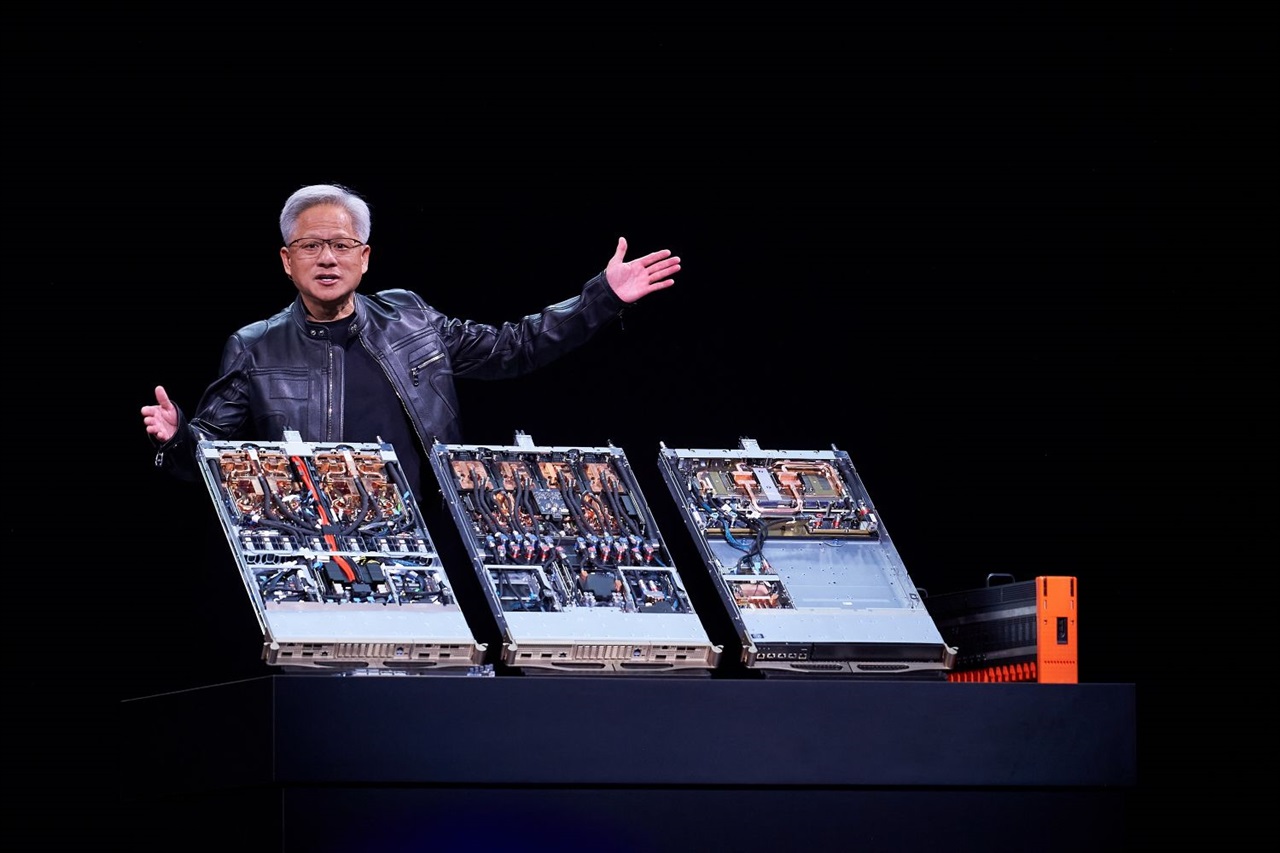
The Rise of Liquid Cooling in AI Servers
The increasing demand for computing power, fueled by the expansion of Large Language Models (LLM) and other artificial intelligence applications, is driving innovation in data center infrastructure. In this context, thermal management has become a critical factor, with liquid cooling emerging as an indispensable solution.
According to recent analyses, Taiwanese thermal solution providers are entering a structural growth phase in the AI server sector. This expansion is directly related to the accelerating adoption of liquid cooling, a technology increasingly necessary to support the demands of modern artificial intelligence workloads.
AI Thermal Challenges and Liquid Cooling's Response
Modern AI accelerators, particularly high-performance GPUs, generate significant amounts of heat. Current architectures, which integrate high-density VRAM GPUs and increasingly powerful processors, require heat dissipation systems that often exceed the capabilities of traditional air cooling. Power density per rack has increased exponentially, making liquid cooling a necessity to maintain optimal operating temperatures and prevent thermal throttling, thereby ensuring consistent performance and long-term reliability.
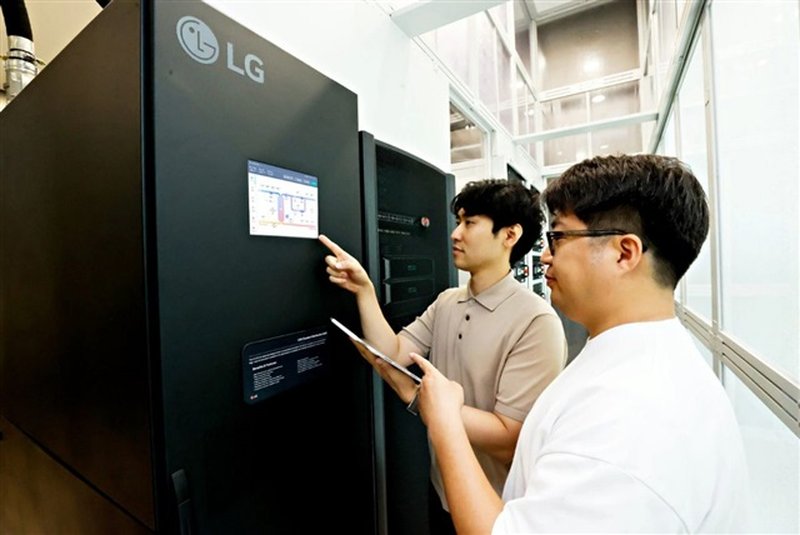
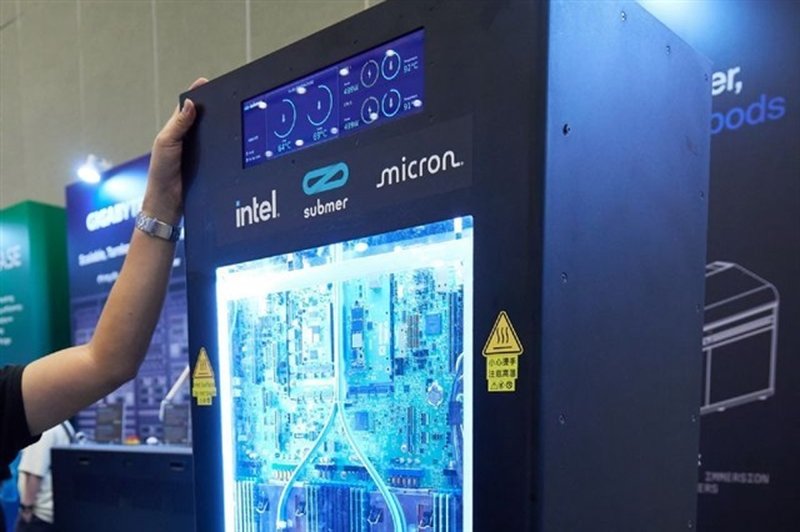
Liquid cooling offers greater efficiency in heat transfer compared to air, allowing for the management of higher thermal loads in smaller spaces. This is particularly true for LLM training and inference workloads, which intensely stress hardware for extended periods, making thermal stability a fundamental requirement to maximize throughput and minimize latency.
Implications for On-Premise Deployments
For organizations opting for self-hosted deployments of LLMs and AI workloads, the adoption of liquid cooling entails significant considerations. While it requires an initial investment in specialized infrastructure, it can offer long-term Total Cost of Ownership (TCO) benefits through increased energy efficiency and the ability to support higher compute densities in the same physical space. Data sovereignty and compliance requirements often push companies towards on-premise solutions, making infrastructure optimization, including thermal management, a critical factor.
Transitioning from air to liquid cooling implies a redesign of data centers, but it allows for hosting more powerful and efficient hardware, extending infrastructure lifespan and improving overall performance. For those evaluating on-premise deployments, AI-RADAR offers analytical frameworks on /llm-onpremise to assess the trade-offs between different infrastructural options, including cooling systems, providing data-driven decision support.
Future Prospects and the Role of Providers
The acceleration in liquid cooling adoption signals a structural shift in the AI server market. Taiwanese providers, known for their expertise in manufacturing hardware components and thermal solutions, are well-positioned to capitalize on this trend. Their ability to innovate and scale the production of advanced cooling systems will be crucial to support the next generation of AI infrastructure, ensuring that companies can continue to develop and deploy increasingly complex and high-performing artificial intelligence applications.
This evolution underscores the importance of robust and resilient infrastructure for the future of AI. Efficient heat management is no longer a secondary aspect but a strategic component that enables the computing capabilities necessary for innovation in artificial intelligence, both in cloud environments and, increasingly, in self-hosted deployments.





💬 Comments (0)
🔒 Log in or register to comment on articles.
No comments yet. Be the first to comment!